
Overview of Conveyor Belts
Understanding Conveyor Belts – Definition and basic functions of conveyor belts
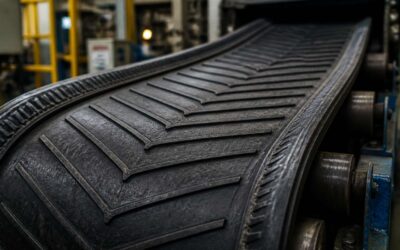
In the world of industry, conveyor belts are the silent workhorses that keep the gears turning smoothly. They are essential for transporting everything from raw materials to finished goods, often behind the scenes but critical to productivity. Understanding conveyor belts—their definition and fundamental functions—offers insight into how various conveyor belting types can be tailored to specific needs.
At its core, a conveyor belt is a continuous moving surface, typically made of durable materials, designed to carry items across distances efficiently. These belts must withstand environmental factors, handle different weights, and operate seamlessly within complex systems. The versatility of conveyor belting types means that industries—from mining in South Africa’s rugged terrains to agricultural processing—rely on specialized belts that meet exacting standards.
Different conveyor belting types are characterized by their material composition, structure, and intended application. Some popular options include fabric belts, rubber belts, and modular belts, each providing unique advantages for specific operational demands. For industries seeking precision and durability, selecting the optimal conveyor belting type is crucial to maintaining their operational integrity.
Importance in Various Industries – Role in manufacturing, logistics, mining, and more
Conveyor belts form the backbone of countless industries, and their importance cannot be overstated. In South Africa’s mining sector, for instance, conveyor belting types are vital for transporting heavy loads across rugged terrains, ensuring productivity doesn’t grind to a halt. With the right belt, operations can run smoothly through harsh weather and challenging environments.
Beyond mining, conveyor belting types also serve critical roles in logistics, agriculture, and manufacturing. To keep goods moving efficiently, industries select specific conveyor belts—fabric, rubber, or modular—to match operational demands. Choosing the appropriate conveyor belting types directly impacts durability, efficiency, and safety in the workplace. Whether moving raw materials or finished products, the right belt makes all the difference in maintaining a seamless flow of work and protecting workers from potential hazards.
Key Factors to Consider When Choosing Belts – Durability, application, environment, and cost
Choosing the right conveyor belting types isn’t merely a matter of preference; it’s a strategic decision that influences operational efficiency, safety, and long-term cost savings. Durability is paramount, especially in demanding environments like South Africa’s mining sector, where rugged terrains and harsh weather test the resilience of conveyor belts. Understanding the specific application and environmental conditions—be it dusty, wet, or abrasive conditions—ensures that the selected belt can withstand the rigors of daily use without frequent replacements.
Cost considerations often sway decision-making, but skimping on quality can lead to higher downtime and maintenance expenses down the line. Industries must evaluate whether a fabric, rubber, or modular conveyor belting type best suits their operational demands. For instance, modular belts excel in conveying delicate items without damage, while rubber belts are ideal for heavy, abrasive loads.
- Application is crucial—what is being transported, and at what speed?
Types of Conveyor Belts Based on Material
Rubber Conveyor Belts – Applications, benefits, and common uses
In the shadowed corridors of industry where steel and sinew intertwine, rubber conveyor belts emerge as silent sentinels, weaving their dark magic across production lines. Their versatility transforms mundane assemblies into relentless beasts of burden, capable of ascending vertical ambitions or slithering through treacherous terrains. The material’s dense, rubbery core grants resilience against the cruel rigors of constant operation—resistance to tears, oils, and temperature extremes.
Among the myriad conveyor belting types, rubber belts reign supreme in applications demanding both toughness and flexibility. Whether ferrying raw ores in mining operations or transporting fragile goods in food processing, their applications seem endless. The benefits? Superior grip, excellent shock absorption, and a natural resistance to wear, making them dependable agents of productivity. They often dominate environments where stability and durability are paramount, especially amidst the chaos of South Africa’s rugged industries.
In the world of conveyor belting types based on material, rubber belts are often chosen for their adaptability. Here are some common uses for rubber conveyor belts:
- Heavy-duty mining operations requiring rugged resistance.
- Food industry lines that demand hygiene and flexibility.
- Logistics hubs where quick, reliable movement is essential.
PVC and PU Belts – Characteristics and ideal industry applications
Amidst the vibrant tapestry of industry, PVC and PU conveyor belting types stand out as beacons of innovation and adaptability. These versatile materials have revolutionized the way goods traverse factory floors, transforming mundane logistics into seamless movements of precision and grace. Their durability and ease of cleaning make them indispensable in environments where hygiene and efficiency reign supreme.
PVC belts, celebrated for their cost-effectiveness and chemical resistance, are ideal for food processing, packaging, and lightweight transportation. They glide smoothly along the assembly line, reducing downtime and ensuring a steady flow of products. Conversely, PU belts—known for their exceptional elasticity and wear resistance—shine in applications demanding high-performance and longevity.
In industries where safety and cleanliness are non-negotiable, such as pharmaceuticals and electronics manufacturing, these conveyor belting types deliver beyond expectations. Their flexibility and resilience not only elevate operational standards but also contribute to the ongoing pursuit of industrial excellence.
Steel Cord Belts – Strengths, advantages, and use cases
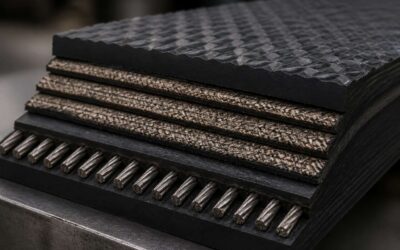
Steel cord belts are a formidable force among conveyor belting types, renowned for their unmatched strength and resilience. Crafted with high-tensile steel wires woven into the belt’s core, these conveyor belts are engineered to handle the most demanding applications—think heavy loads and elongated stretches across sprawling facilities in South Africa.
One of their primary advantages is exceptional load-bearing capacity, allowing them to transport massive quantities of raw materials like coal, ores, and minerals with minimal risk of sagging or failure. Their robustness makes them the go-to choice for mining operations and quarrying, where machinery demands unwavering reliability and safety. Moreover, steel cord belts excel in environments characterized by extreme temperature fluctuations or corrosive conditions, thanks to their sturdy construction and corrosion-resistant treatments.
While the initial investment might be higher, the longevity and reduced maintenance costs of steel cord belts often justify the expense. For industries seeking longevity combined with strength, these conveyor belting types stand tall — a true pillar of industrial innovation.
Fabric Belts – Types, flexibility, and typical industries
Fabric belts, distinguished by their material composition, represent one of the most versatile conveyor belting types available today. Crafted primarily from textiles such as polyester, nylon, or cotton, these belts are prized for their adaptability across a broad spectrum of industries. Their inherent flexibility allows for intricate routing and minimal sagging, making them ideal for conveyor systems that require precise positioning or tight bends.
Within this category, different fabric belts serve specific needs. Polyester belts, for instance, excel in applications demanding high tensile strength and dimensional stability, often found in food processing or packaging. Nylon belts offer superior resistance to impact and abrasion, suited for handling heavier items or abrasive materials. Cotton belts, though less common, find homes in specialized applications where natural fibers provide unique benefits.
These conveyor belting types have layers meticulously woven to enhance durability, yet they maintain a degree of flexibility that is crucial for efficiency and longevity. Industries such as logistics, manufacturing, and agricultural sectors benefit immensely from fabric belts’ customizable properties, allowing companies to optimize their conveyor systems with material and design tailored to specific operational challenges.
Specialized Conveyor Belt Types
Food Grade Conveyor Belts – Materials, hygiene standards, and certifications
In the world of conveyor belting types, specialized belts designed for the food industry stand as silent sentinels, guarding the sanctity of hygiene and quality. These belts are crafted from materials that meet the most rigorous standards, ensuring that every morsel remains uncontaminated, fresh, and safe for consumption. The materials—such as food-grade silicone, EPDM rubber, or PTFE-coated fabrics—are chosen not only for their durability but also for their impeccable ability to resist bacteria, moisture, and temperature fluctuations.
Hygiene standards for food-grade conveyor belts are uncompromising. They must adhere to strict certifications like ISO 22000 and HACCP, which set the benchmarks for safety, cleanliness, and traceability. These certifications act as a seal of trust for industries operating in South Africa, where food safety is paramount. The seamless, non-porous surfaces of these belts facilitate swift cleaning, reducing the risk of cross-contamination and ensuring compliance with international standards that elevate local industry on a global stage.
Choosing the right conveyor belting types for food processing is a labyrinth of options. Among the most common are belts made from materials such as PVC and polyurethane, which are favored for their flexibility, ease of cleaning, and high resistance to oils and fats. The meticulous selection process involves examining environmental factors, operational loads, and the nature of the food products being handled, guaranteeing the perfect harmony between material resilience and hygiene standards.
Modular Conveyor Belts – Design flexibility, maintenance, and customization options
In a landscape where efficiency is currency, the versatility of conveyor belting types is often the silent architect behind streamlined operations. Among these, specialized conveyor belts such as modular conveyor belts exemplify the marriage of design flexibility and functional robustness. Their intricate interlocking system allows for effortless customization, adapting swiftly to diverse industrial needs with minimal downtime. This adaptability proves invaluable in industries demanding complex routing or multi-functional handling—think assembly lines or packaging facilities, where every millimeter of flexibility can translate into tangible gains.
What sets modular conveyor belts apart is their ease of maintenance. Sections can be replaced individually, drastically reducing maintenance costs and time—an essential consideration for facilities eager to minimize disruption. Moreover, their customizable surface patterns and materials can be tailored for friction control, anti-static properties, or integrated cleaning features, making them a preferred choice in sectors that prioritize hygiene and operational precision. Whether implementing slats for heavy loads or open-grid configurations for liquid drainage, the array of conveyor belting types within modular belts provides an astonishing array of options, ensuring industries are equipped with the perfect tool for every task.
High-Temperature Belts – Materials capable of withstanding heat
In the shadowy realm of industrial machinery, where heat can turn steel to molten glass in seconds, specialized conveyor belting types are the unsung heroes of thermal resilience. High-temperature belts stand as formidable sentinels, engineered from materials that defy the inferno’s relentless grasp. These belts must endure environments where ordinary rubber or PVC simply melt away, providing vital protection in industries such as metallurgy, glass manufacturing, and foundries.
Constructed from materials like fiberglass-reinforced silicone, ceramic fibers, or aluminized fabrics, high-temperature conveyor belts are the armor that sustains operations amid blistering heat. Their unique compositions enable them to tolerate temperatures soaring beyond 600°C, without faltering. For instance, silicone belts, with their flexible yet heat-resistant nature, are often favored in continuous baking processes or chemical heating applications.
- Fiberglass-backed silicone belts, famed for their endurance and adaptability
- Ceramic fiber belts, capable of standing extreme thermal conditions
- Aluminized fabric belts, offering reflective properties to disperse heat effectively
Choosing the right conveyor belting types for high-temperature applications demands a keen understanding of the operational environment. When the air thickens with ash, sparks, or molten particles, only the most resilient belts survive, ensuring safety, efficiency, and unwavering output. In these shadowed corridors of industry, the importance of specialized belts remains both a technological marvel and a testament to human ingenuity in mastering the flames.
Chemical Resistant Belts – Chemical exposure resistance and longevity
In the relentless world of industrial processing, chemical-resistant belts are the sturdy guardians that keep your operations humming smoothly amidst caustic concoctions and corrosive agents. No longer do you need to fear the destructive power of chemicals—these conveyor belting types are specifically engineered to stand up to the rigors of aggressive substances, prolonging the lifespan of your equipment and safeguarding your staff. Whether handling acids, alkalis, or reactive compounds, chemical resistance isn’t just a feature; it’s the essence of a resilient conveyor belt.
These specialized belts are crafted from materials like chlorinated polyethylene, Viton, or rubber compounds infused with protective additives. They boast extraordinary longevity and maintain structural integrity even after prolonged exposure to harsh chemicals. For industries in South Africa dealing with chemical processing or waste management, investing in chemical-resistant conveyor belting types ensures both safety and efficiency. With their ability to resist degradation, these belts stave off costly replacements and unscheduled downtimes, proving their worth as the unsung heroes of industrial durability.
In fact, some of the most popular conveyor belting types utilize layered constructions, such as:
- Chlorinated Polyethylene belts – praised for their fire-retardant properties and chemical resilience.
- Viton belts – highly resistant to a myriad of chemicals, oils, and high temperatures, making them the go-to choice for demanding environments.
- Rubber belts with specialized chemical-resistant coatings – versatile, durable, and adaptable to many chemical exposures.
Choosing the right belt often hinges on understanding the specific chemicals involved in your process. The right conveyor belting types can withstand the assault of even the most aggressive substances, ensuring that your operation remains as unyielding as a South African diamond. In industries where chemical exposure can be the difference between profit and peril, these belts serve as the ultimate line of defense—a testament to human ingenuity and technological resilience.
Heavy-Duty Belts – Applications requiring extra strength and durability
There’s a brutal elegance to the heavy-duty conveyor belting types that dominate the industrial shadows of South Africa’s rugged terrains. These titanic serpents of the factory floor are forged from materials designed to withstand the relentless assault of demanding applications requiring extra strength and durability. In environments where ordinary belts falter and fracturing seems inevitable, heavy-duty belts emerge as the unwavering champions of resilience and longevity.
From the heart of mining operations to large-scale manufacturing, these conveyor belting types are built to withstand the siege of heavy loads and harsh conditions. They often feature reinforced structures, such as steel cords or fabric reinforcements, making them suitable for transporting oversized, abrasive, or dangerous materials. No surprise their dark reputation is rooted in trust—each belt a silent guardian that bears the weight of progress without flinching.
- Mining sites where rugged terrain demands an unyielding backbone for raw materials.
- Logistics hubs processing colossal consignments with relentless efficiency.
- Heavy industries forging enduring pathways through molten and abrasive substances.
The choice of conveyor belting types for such applications isn’t taken lightly. It’s a dance of strength and precision—each belting material whispering promises of toughness and unwavering performance. These belts don’t merely carry goods; they carry the dreams of industry, steadfast against the darkness of wear and tear.
Choosing the Right Conveyor Belt Type
Assessment of Application Requirements – Load capacity, speed, and environment
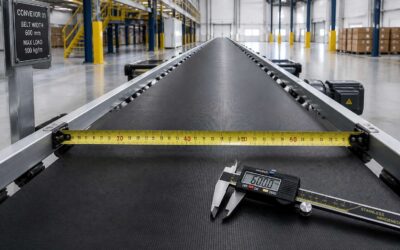
When selecting the ideal conveyor belting types for your operation, one must peer into the shadows of your specific application requirements. The salvation of efficiency hinges on understanding the nuances of load capacity, speed, and environmental conditions—each a key player in the dark orchestra of industrial harmony. An overloaded belt, for instance, risks catastrophic failure, while a belt ill-prepared for the environment whispers doom in the form of premature degradation.
Assessing these factors demands a meticulous eye; does your operation demand a high-speed conveyor that flits like a specter through your facility, or does it require a robust, heavy-duty belting to withstand relentless force? Sometimes, a simple list guides this sinister dance:
- Load capacity: Will the conveyor carry crushing weight or delicate items?
- Operational speed: Is it a swift phantom or a slow, deliberate procession?
- Environmental factors: Exposure to chemicals, moisture, or extreme temperatures?
Matching your requirements with the correct conveyor belting types ensures your workflow remains immortal—resilient against wear and unforeseen calamities. The morbid beauty of a well-chosen belt lies in its ability to adapt seamlessly to the dark corridors of industrial necessity, whispering silent promises of longevity and performance.
Matching Belt Material to Industry Needs – Considerations for food, mining, manufacturing, etc.
Choosing the right conveyor belt type is an art form—a delicate dance between material, function, and environment. When navigating the labyrinth of industrial needs, selecting the appropriate belt material can mean the difference between seamless operation and catastrophic failure. In South Africa’s diverse landscape, where the demands of food safety intertwine with mining’s rugged resilience, understanding conveyor belting types is paramount.
For industries such as food processing, **food grade conveyor belts** are sacrosanct—they are crafted from materials that meet stringent hygiene standards, ensuring purity and safety. Conversely, in the mining sector, **steel cord belts** reign supreme, offering the tensile strength needed to haul immense loads across rocky terrains. Meanwhile, manufacturing halls benefit from **fabric belts**—their flexibility and durability making them adaptable to various tasks.
The spectrum of conveyor belting types is vast, and each material brings unique virtues suited to specific industry needs. From chemical resistance in processing plants to high-temperature resilience in foundries, making an informed choice is the key to longevity and efficiency. The shadows of industry demand attention to detail—your choice of conveyor belting types can echo throughout your operation like a silent sentinel, unwavering and true.
Environmental Factors – Temperature, moisture, chemicals, and abrasion
Choosing the correct conveyor belting types is not just a matter of preference—it’s a matter of survival in South Africa’s unpredictable environment. Factors like extreme temperatures, high moisture levels, chemical exposure, and abrasive surfaces can turn a seemingly simple component into a critical failure point. Understanding how these environmental elements influence conveyor belt performance helps prevent costly downtime and ensures optimal operation.
Temperature variations can weaken standard belts, making high-temperature resistant belts essential in foundries or oven environments. Moisture and humidity are relentless adversaries that can cause slippage or corrosion, which is why chemical resistant belts often incorporate specialized coatings. Abrasive terrains demand heavy-duty conveyor belting types like steel cord belts or fabric belts designed for longevity under relentless wear.
- High-temperature belts
- Chemical resistant belts
- Abrasion-resistant belts
- Moisture-proof belts
By carefully evaluating these environmental factors, businesses can select from a diverse array of conveyor belting types—each tailored for resilience and durability. The choice involves more than just matching application; it’s about forging a silent shield that guards against nature’s fury, from the scorching heat of Sun City to the damp minerals of the Northern Cape. So, for industries in South Africa, understanding these intrinsic environmental influences is the secret weapon in mastering conveyor belting types—fortifying operations with precision and confidence.
Cost and Maintenance Considerations – Initial investment versus long-term sustainability
Choosing the right conveyor belting types isn’t just about matching a belt to a specific task; it’s a high-stakes game of cost versus longevity. Initial investment might seem steep for high-end options like steel cord belts or high-temperature resistant belts, but they often pay for themselves through reduced maintenance and fewer operational disruptions. Conversely, cheaper, low-grade belts may seem appealing upfront but can lead to costly downtimes, wear-and-tear, and premature replacements.
Long-term sustainability hinges on understanding maintenance demands tailored to the conveyor belting types. Heavy-duty belts designed for abrasive or chemical environments require more rigorous upkeep, but they also deliver resilience that significantly curtails replacement frequency. Here’s a quick glance at the costs to consider:
- Replacement frequency and lifespan
- Routine inspection and repair expenses
- Energy efficiency and operational costs
Investing wisely in the right conveyor belting types ensures the silent strength of your operations, safeguarding against operational failures while managing expenses effectively. The key isn’t just spending less initially—it’s about forging an enduring partnership with a belt that can withstand South Africa’s unpredictable environment and keep your production flowing without interruption.
Compliance and Safety Standards – Regulatory requirements and certification needs
In the intricate ballet of industrial efficiency, compliance and safety standards act as the unwavering stagehands—quietly guiding the spectacle to ensure that every movement adheres to strict regulations. Selecting the appropriate conveyor belting types for your operation demands more than just assessing durability or cost. It involves a nuanced understanding of the regulatory landscape that governs safety, hygiene, and environmental impact within South Africa’s diverse industries.
Many industries, such as food manufacturing or chemical processing, face rigorous certification requirements—think of standards like ISO, OSHA, or local South African legislation—that mandate specific safety features and traceability. Here, choosing conveyor belting types equipped with the necessary certifications is non-negotiable. For instance, food-grade belts often need to meet hygiene standards while bearing certifications that prove compliance with health regulations. Neglecting these standards can lead to costly penalties or safety breaches that threaten both workers and reputation.
Moreover, an informed selection process should incorporate
- performance certifications
- fire retardant ratings
- chemical resistance validations
ensuring belts not only meet but exceed safety mandates. When compliance and safety standards align with the specific needs of the South African environment, they bolster operational resilience and peace of mind—transforming safety from a mere requirement to an enduring advantage in your operational story.
0 Comments