
Understanding Conveyor Belt Pricing Factors
Material Quality and Type – How different materials influence cost and durability
The cost of a conveyor belt can send shivers down your spine—especially when you realize how drastically material quality influences the conveyor belt price. A lower-grade belt might seem like a tempting bargain initially, but it’s often an illusion that costs you more in repairs and replacements over time. Conversely, premium materials can elevate the conveyor belt price, but they deliver unmatched durability and performance, often reducing total ownership costs in the long run.
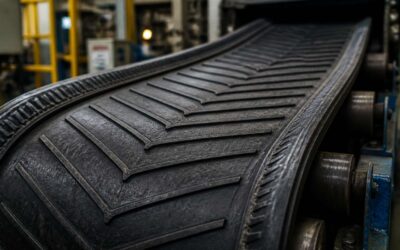
Different materials inherently possess unique properties that determine their suitability for specific industrial environments. For example, rubber belts excel in the food processing industry, thanks to their compliance with hygiene standards, while PVC belts are favored for lighter tasks and lower costs. For rugged applications, steel-reinforced belts might be the only answer, pushing the conveyor belt price higher but promising longevity that withstands extreme conditions.
- Rubber: Flexible, durable, suitable for heavy-duty applications
- PVC: Lightweight, cost-effective, ideal for light tasks
- Steel-reinforced: High strength, suited for tough environments
Understanding these distinctions is crucial when balancing your need for durability against your budget constraints. The choice of material doesn’t just affect the conveyor belt price—it shapes the entire lifecycle of your conveyor system, making it a decision that demands careful consideration. Remember, investing in quality often pays off, especially when unforeseen challenges come knocking on your door.
Belt Width and Length – Impact of size specifications on overall pricing
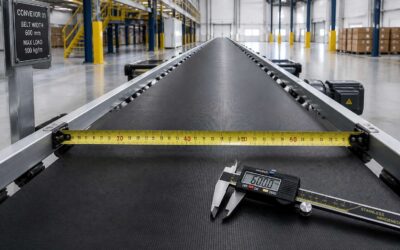
Size matters when it comes to the complexities of conveyor belt price. The dimensions—specifically width and length—directly impact the overall cost, often in unexpected ways. A wider belt might seem straightforward, but it translates to more material, increased manufacturing intricacies, and higher production costs. Similarly, longer belts necessitate reinforced construction and more durable components, all pushing the conveyor belt price upward.
In many cases, the size specifications influence installation and maintenance expenses as well. Larger belts require robust support systems and involve more labor during setup, subtly adding to long-term costs. It’s also worth noting that the specifications are often dictated by the application—whether you’re moving bulk commodities or delicate items—which means choosing the right size is about balancing operational needs with budget constraints.
For businesses aiming to optimize costs without sacrificing quality, understanding the intricate relationship between belt width, length, and conveyor belt price becomes essential. Sometimes, a seemingly minor size adjustment can lead to significant savings or costs—making this an area where careful planning opens new avenues for efficiency and durability. All these factors weave together, revealing why size specifications are a pivotal element in determining the true conveyor belt price in South Africa and beyond.
Design and Customization – Standard vs customized conveyor belts and their price differences
When it comes to conveyor belt price, one might think it’s all about raw materials and size—think again. Design and customization play a surprisingly hefty role in the final invoice. Off-the-shelf, or standard, conveyor belts are like the fast-food option—quick and predictable, with a price that won’t make you break the bank. But if your operation demands something a tad more *bespoke*, prepare for a different story. Customized conveyor belts are crafted to fit your unique specifications, often incorporating specialized materials or features that standard models simply can’t match.
This tailored approach, while offering the perfect fit for your needs, also nudges the conveyor belt price upward—sometimes significantly. It’s almost poetic how a few advanced features—such as anti-static layers or enhanced fire resistance—can turn a modest investment into a premium product. To break it down, custom belts might follow a price structure like this:
- Standard conveyor belts—cost-effective, ready-made, and ideal for basic needs.
- Customized models—more expensive, but tailored to complex or demanding applications.
So, choosing between these options depends on your operational priorities—speed, safety, or simply fitting the size of your budget. After all, a perfect conveyor belt isn’t just about price but also about ensuring longevity and efficiency in the South African market, where logistical nuances make all the difference.
Load Capacity and Speed – How operational requirements affect price
Understanding the intricacies behind conveyor belt price is akin to deciphering an enigma wrapped in steel and rubber. Operational demands, especially load capacity and speed, are pivotal in dictating the final cost. As throughput requirements intensify, so does the necessity for belts that can withstand prolonged, high-volume use without faltering. Heavy-duty applications—think mining or manufacturing—pressure the conveyor belt price upward, reflecting the added resilience and engineering precision involved.
Speed, too, plays a decisive role. Faster conveyor systems demand sophisticated motors and tensioning mechanisms, turning a straightforward purchase into a nuanced investment. It’s fascinating how these factors intertwine, often leading to a substantial variation in price. Consider the following:
- Higher load capacity necessitates stronger, more durable materials—bushing the conveyor belt price.
- Increased operational speed requires advanced motor systems, significantly affecting overall costs.
Ultimately, these factors form an unspoken dialogue — balancing what your operation needs against the investment you’re prepared to make. The nuances of load capacity and speed reveal how complex the simple question of conveyor belt price truly is, especially within the dynamic South African market where logistical demands are uniquely layered with local intricacies. It’s this careful calibration of capability versus cost that ensures your conveyor belt remains both a reliable workhorse and a prudent investment.
Brand and Manufacturer Reputation – Influence of brand reliability on conveyor belt costs
When considering the conveyor belt price, one element often overlooked is the reputation of the brand and manufacturer. In South Africa’s bustling industrial landscape, reliability isn’t just a bonus—it’s essential. A well-established brand with a strong track record for durability influences the conveyor belt price substantially, because quality craftsmanship and trusted materials come at a premium. Businesses tend to invest more upfront for equipment that offers longevity and minimal downtime.
Beyond reliability, brand reputation signals a level of technical support and warranty coverage that can save costs over time. A reputable manufacturer often provides tailored solutions, rigorous testing, and local service centers, ensuring that your investment remains sound in the long run. When shopping around, consider the following:
- Brand history and market presence
- Customer reviews and case studies
- Availability of spare parts and after-sales support
Ultimately, the influence of brand reliability on the conveyor belt price underscores the importance of balancing initial costs with the value of dependable performance. Especially within the complex South African logistics environment, choosing a well-reputed brand can mean fewer surprises and better operational uptime.
Types of Conveyor Belts and Their Price Ranges
Flat Belts – Cost considerations for flat conveyor belts
In the shadowed corridors of industry, where machinery hums like a restless ghost, the conveyor belt price becomes a mystery woven with darkness and depth. Among the myriad types, flat conveyor belts often cast a stark silhouette against the flickering glow of the factory floor. Their cost varies, dictated by the spectral intricacies of material and design—cheaply made belts whisper their transient existence, while those forged from resilient compounds demand a heavier toll.
For a typical flat belt, prices fluctuate between R5,000 to R25,000 depending on size and rigidity. The spectral range widens when customisation enters the forsaken mix—standard belts can be procured swiftly, but bespoke designs, tailored with arcane precision, command a premium. The influence of operational load, speed demands, and brand reputation also cast their shadows over the final conveyor belt price, creating a labyrinth of costs that demand careful navigation.
Modular and Plastic Belts – Pricing details for modular systems
When it comes to conveyor belts, the choice isn’t just about dragging your goods from point A to B—it’s a delicate dance of cost, durability, and design finesse. Surprisingly, conveyor belt price can swing dramatically based on the type, with some costing a mere fraction of what high-performance variants demand. If you think all belts are created equal, think again. Modular and plastic conveyor belts, for instance, are prized for their versatility and hygiene, especially in food processing sectors. These systems typically range from R8,000 to R35,000, depending heavily on the complexity of the design and additional features.
What’s particularly enticing about modular belts is their ease of maintenance and adaptability—qualities that can justify a higher conveyor belt price, especially when tailored for specific operational needs. For businesses seeking a sleek, efficient solution, the investment in customizable options often results in a more streamlined workflow, ultimately impacting the total cost equation. Whether opting for a simple plastic belt or a more elaborate modular system, understanding how the conveyor belt price aligns with your throughput and environment is crucial to making a savvy purchase. After all, in the world of conveyor systems, price is just the beginning of the story.
Rubber and Chemiсal Resistant Belts – Price differences based on material resistance
When exploring the landscape of conveyor belt price, one cannot ignore the diversity of options that influence their cost. Rubber and chemical resistant belts, for instance, are tailored to withstand harsh environmental factors, making them ideal for industrial settings where durability can’t be compromised. Their price varies significantly based on the resistance level—an essential factor when selecting the right belt for your operation.
High-grade rubber belts designed to resist chemicals or extreme temperatures typically command a premium, reflecting the material’s resilience and specialized manufacturing process. These belts often fall within the range of R15,000 to R50,000, depending on length, width, and specific resistance qualities. For industries such as mining or chemical processing, investing in these heavy-duty options can be a cost-saving measure in the long run, as they tend to last longer and require less maintenance.
- Material resistance levels
- Size specifications
- Operational environment
Understanding how these factors interplay with conveyor belt price allows businesses to make more informed decisions. Whether opting for a budget-friendly rubber belt or a specialized chemical-resistant variant, recognizing the price differences grounded in material quality ensures investments are both practical and strategic. In South Africa, where reliability and resilience are prized, choosing the right conveyor belt is as much about cost-efficiency as it is about performance.
Light-duty vs Heavy-duty Belts – Cost variation based on load capacity
When pondering the diversified landscape of conveyor belt price, it’s clear that the type of belt chosen isn’t merely a matter of matching a plot in a modern factory but a strategic decision rooted in operational demands. Light-duty conveyor belts, designed for minimal payloads and gentle handling, often come with a modest price tag—ranging from R2,000 to R8,000. These are perfect for assembly lines or packaging processes in South African industries where efficiency doesn’t require heavy-duty strength.
Conversely, heavy-duty conveyor belts, capable of handling substantial loads and relentless operation, can have a conveyance of a different financial ripple—costing anywhere from R20,000 to R100,000 or more depending on specifications. The price variation owes itself to core factors like load capacity, durability, and the demanding environment they’re built to resist. Such belts often demand a premium, but in the fiercely competitive world of industrial logistics, their cost-effectiveness is unquestionable.
Specialty Conveyor Belts – Prices for fire-resistant, food-grade, and other specialized belts
In the bustling realm of South African industry, the conveyor belt price isn’t just a number—it’s a pivotal piece of the operational puzzle that can dictate factory efficiency and bottom-line success. Beyond the basics of load capacity and material, specialized conveyor belts open a world of possibilities, each with its own price tag and purpose. From fire-resistant models to food-grade variations, these conveyor belts are engineered to meet specific safety and hygiene standards, often commanding a premium for their resilience and compliance.
Specialty conveyor belts, tailored for niche applications, reflect the high stakes of modern manufacturing. Fire-resistant belts, for instance, can range from R10,000 to R50,000 depending on thickness and flame-retardant properties. Meanwhile, food-grade belts designed to handle delicate ingredients or sterile environments often fall within a similar range. Their construction often features unique materials that guarantee cleanliness, durability, and resistance to contamination.
- Fire-resistant belts
- Food-grade conveyor belts
- Chemical-resistant belts
These specialized belts aren’t just about safety—they’re vital to maintaining compliance with stringent health and safety regulations. Their distinctive features come with a cost, but in industries where safety and quality assurance are non-negotiable, investing in these types of conveyor belts just makes sense. When considering the conveyor belt price for these niche models, it’s essential to weigh durability and compliance against initial investment, ensuring seamless, safe operations on the factory floor. The right choice can turn a simple conveyor into a powerhouse of efficiency—making every rand spent worth it in the grand dance of industrial logistics.
Additional Costs and Installation Expenses
Transportation and Handling – Delivery charges for heavy or large conveyor belts
While the allure of a sleek conveyor belt might tempt one to consider only its listed conveyor belt price, the true costs often lurk beneath the surface — whispering tales of additional expenses that can surprise even the most seasoned procurement officer. Transportation and handling, for instance, are often underestimated. Heavy or large conveyor belts demand specialized delivery arrangements, which rapidly escalate the initial budget. Delivery charges for such hefty cargo are not mere pennies; they encompass meticulous logistics, extra manpower, and potentially oversized load permits that tack on extra cost.
Moreover, the handling process itself can be a delicate affair. Ensuring the belt arrives in pristine condition warrants careful packaging and dedicated transport, especially for customized models or those with complex features. Some suppliers even stipulate that installation is part of the initial expense, requiring skilled technicians to avoid costly mistakes down the line. As a rule of thumb, always factor in these additional costs—because a modest conveyor belt price can quickly spiral into an expensive endeavor once transportation and handling are factored in.
Installation and Setup – Labor costs associated with installation
When calculating the true conveyor belt price, many overlook the silent predators lurking in the shadows—installation and setup costs. It’s all well and good to admire a shiny new conveyor belt, but neglecting the labor costs involved in perfecting its placement is like buying a posh car and forgetting the fuel. Skilled technicians—sometimes with fancy certifications—are required to ensure the belt runs smoothly and safely.
From anchoring the base to fine-tuning the alignment, each step demands precision, patience, and yes, cold hard cash. Place too much faith in DIY and you risk costly mistakes that could turn your conveyor belt into a paperweight faster than you can say “replacement parts.”
- Assess the complexity of installation—more features, more fuss.
- Factor in the number of required operators or technicians.
- Consider additional equipment, like cranes or forklifts, which can inflate labor costs significantly.
Ultimately, the conveyor belt price isn’t just about the belt itself—it’s a jigsaw puzzle that includes these hefty installation expenses. After all, an expensive belt left improperly installed can turn into a costly mistake with a hefty bill for repairs or downtime.
Maintenance and Spare Parts – Ongoing expenses impacting overall conveyor belt investment
Beneath the glossy surface of that shimmering conveyor belt lies a labyrinth of shadows—expenses that whisper and echo long after the initial investment. These additional costs, often unseen, cast a dark pall over the true conveyor belt price, demanding reckoning. Maintenance and spare parts are the relentless specters haunting this investment, steadily gnawing at the edges of your budget. Without vigilant upkeep, even the most robust belt can falter, turning profit into peril.
Every conveyor belt, especially those crafted for heavy-duty tasks, carries the burden of ongoing expenses. Spare parts, from rollers to motors, become vital, fleeting commodities that must be stocked and ready for swift deployment. Neglecting these silent predators can result in costly downtime—an event more piercing than the sharpest blade.
It is essential to understand that the true conveyor belt price isn’t purely the cost of the belt itself but reflects the entire ecosystem of maintenance, replacements, and unforeseen repairs. This layered complexity underscores the importance of investing wisely—because in the shadows of cost lurk the true challenges of long-term operation.
Warranty and Support Services – Additional costs for extended warranties or support
Beyond the initial conveyor belt price lies a tapestry of hidden costs that can quietly erode your budget if left unconsidered. One such aspect is the expense of installation—an often underestimated factor that can significantly influence the total cost. Setting up a conveyor system demands skilled labor, specialized tools, and meticulous planning, especially when navigating terrain or confined spaces. These installation expenses vary depending on the belt’s size and complexity, but they are crucial in understanding the true investment needed.
Adding to this, warranty and support services often represent additional costs but are invaluable for ensuring smooth operation over time. Extended warranties and comprehensive support packages can safeguard against unexpected repairs and prolong the lifespan of your system. In South Africa’s rugged working environments, reliable support can mean the difference between continuous productivity and costly downtimes.
- Extended warranties cover major repairs, reducing long-term expenses.
- Support services ensure timely maintenance and part replacements.
While the conveyor belt price might initially catch your eye, it’s essential to recognize these supplementary costs. Investing in quality support and proper installation not only justifies the expense but also ensures the resilience of your conveyor system against unforeseen challenges.
Insurance and Compliance – Cost considerations for safety and regulatory compliance
In the grand theatre of industry, the conveyor belt price is merely the opening act. Beneath the surface, additional costs often emerge like covert players in a high-stakes game. Insurance and compliance, for instance, are pivotal in safeguarding your operation against unforeseen disruptions. In South Africa’s dynamic regulation landscape, ensuring that your conveyor system aligns with safety standards is paramount—adding a layer of expense but safeguarding long-term investment. The cost of meeting these mandates is not always immediately apparent, yet it is critical to avoid costly penalties or legal complications down the line.
Reliability hinges on more than just the belt itself. Manufacturers often recommend dedicated insurance coverage and compliance measures, particularly in rugged environments where operational hazards multiply. Furthermore, understanding the impact of transportation and handling fees—even for large or heavy conveyor belts—is essential in calculating the true conveyor belt price.
- Heavy-duty installations can accrue significant delivery charges, adding to the overall expense.
This layered approach transforms a simple procurement process into a complex financial orchestration, demanding foresight and meticulous planning.
Tips for Finding the Best Conveyor Belt Price
Request Multiple Quotes – Advantages of comparing prices from different suppliers
When it comes to securing the optimal conveyor belt price, one thing stands out: comparison is king. With dozens of suppliers vying for your attention, the temptation to settle for the first quote can be strong—but that’s a rookie mistake. Requesting multiple quotes from different suppliers unlocks a clearer picture of the market landscape, revealing subtle differences in pricing, quality, and service that you might otherwise miss. Not only does this process prevent overpaying, but it also opens the door to negotiating better terms—sometimes even discounts—by leveraging competitive bids.
Here’s a helpful tip: don’t just focus on the conveyor belt price; instead, consider the overall value. Examine each quote holistically—including delivery, installation, warranty, and ongoing maintenance costs. An inexpensive quote might hide premium charges elsewhere, skewing the true total cost. Comparing multiple suppliers allows you to weigh these hidden factors against their quoted price, ultimately securing an investment that balances cost and quality seamlessly.
Evaluate Total Cost of Ownership – Considering long-term expenses beyond initial price
When assessing the true cost of a conveyor belt, it’s essential to evaluate the total cost of ownership. The initial conveyor belt price is only part of the story; long-term expenses, such as maintenance, downtime, and replacement parts, can significantly tip the scales.
In South Africa, savvy buyers look beyond the first quote and factor in ongoing costs. This holistic approach ensures that the investment remains economical over its lifespan. For example, a cheaper conveyor belt might save money upfront but could incur higher repair or replacement costs if it’s made from inferior materials or lacks appropriate durability.
Additionally, considering the conveyor belt price in conjunction with factors like warranty coverage and after-sales support helps avoid unexpected expenditures. Remember, the cheapest option isn’t always the most cost-effective when your operational needs are considered. A careful evaluation of these long-term variables leads to a smarter, more sustainable conveyor belt investment.
Assess Quality and Durability – Balancing cost with performance and longevity
When evaluating the conveyor belt price, it’s tempting to zero in solely on the initial quote. However, astute buyers in South Africa recognize that the true expense emerges only over the lifespan of the equipment. An initial low-cost conveyor belt can beckon with savings, yet hidden costs—frequent repairs, downtime, or premature replacements—often transform such bargains into costly false economies. The key lies in assessing quality and durability—ensuring that the conveyor belt can withstand the rigors of demanding operations without compromising performance.
To make a well-informed decision, consider the importance of construction materials and their impact on long-term expenses. For instance, belts crafted from superior rubber or chemical-resistant compounds may command a higher conveyor belt price upfront but tend to deliver exceptional longevity and resilience. This investment invariably reduces the frequency and cost of maintenance, creating a more economical solution over time. Weighing these factors carefully reveals that sometimes, paying more initially is the smarter choice.
Negotiate with Suppliers – Strategies for securing better pricing and terms
Negotiating with suppliers becomes the most potent ritual in the quest to secure the best conveyor belt price. Like a specter lurking in the shadows, the art of bargaining can unveil unseen discounts and more favourable terms. Approach this with an analytical eye, for every whisper of negotiation can carve away hidden costs and reveal true value. Remember, a well-negotiated deal often masks a deal more sinister—better quality at a price that’s difficult to refuse.
- Compare multiple quotes from different vendors—this not only exposes the market’s true worth but also arms you with leverage in negotiations.
- Don’t shy away from discussing long-term support and maintenance—sometimes, a higher initial conveyor belt price can be offset by cheaper upkeep or extended warranties.
In the murky world of conveyor belt procurement, understanding that price is only a fragment of total cost can prevent you from plunging into an abyss of recurring expenses. Seize these bargaining tools, and you may find that the true cost resides less in the conveyor belt price and more in the unseen corridors of aftersales support and durability.
Consider Local vs International Suppliers – Cost implications of sourcing globally or locally
Choosing between local and international suppliers for your conveyor belt price can feel like navigating a labyrinth. On one hand, sourcing locally often means quicker delivery, lower transportation costs, and a better grasp of regional regulations. These factors can significantly reduce the overall expenditure, making your conveyor belt purchase more economical.
Conversely, international suppliers might offer more competitive conveyor belt prices thanks to larger production volumes and cost-efficient manufacturing hubs. However, it’s crucial to consider hidden expenses—shipping fees, import duties, and potential delays—that can inflate the final bill. Carefully evaluating these cost implications ensures you avoid surprises that could sabotage your budget.
In the quest for the best conveyor belt price, weighing proximity against potential savings is invaluable. Sometimes, a slightly higher local cost can be offset by the reliability and swift support that regional suppliers provide—an often overlooked element that can save thousands in downtime and maintenance.

0 Comments