
Understanding Conveyor Belt Components
Belt Types and Materials – Different types of conveyor belts such as rubber, PVC, polyurethane, and niche materials, including their applications and advantages
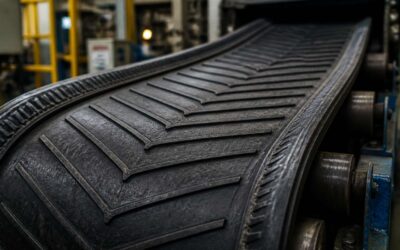
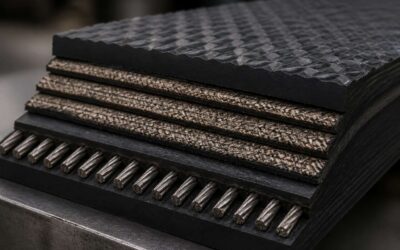
Within the labyrinthine architecture of the conveyor belt structure, the choice of materials and design intricately determines its resilience and efficacy. The diversity of conveyor belts—ranging from robust rubber to versatile PVC and polyurethane—mirrors the nuanced needs of South Africa’s industrial engines. Rubber belts offer unrivaled durability in rigorous applications such as mining, where they absorb shock and resist wear with remarkable tenacity.
Conversely, PVC belts dominate in logistics and packaging, where crisp precision and ease of maintenance are paramount. Polyurethane belts, celebrated for their chemical resistance and flexibility, find niche application in food processing plants—ensuring hygiene without compromise. Niche materials like silicone or woven fabric cater to specialised sectors, lending tailored versatility that elevates the conveyor belt structure to new heights of performance.
Understanding these conveyor belt components is akin to deciphering a complex language—each material whispering its own story of strength, flexibility, and suitability. The deliberate selection of belt type profoundly influences operational efficiency and longevity, transforming ordinary conveyor systems into strategic assets that drive South African industries forward.
Support Structures and Frames – Overview of conveyor frame designs, load-bearing supports, and structural materials used in belt assemblies
The backbone of any efficient conveyor belt system lies in its support structures and frames. These components are the unsung heroes that uphold the entire conveyor belt structure, ensuring stability and optimal performance even under the heaviest loads. In South Africa’s rugged industries—from mining to agriculture—the design of conveyor frames must withstand harsh conditions, making durability and resilience paramount.
Conveyor frame designs vary widely, tailored to meet specific operational demands. Among the most common are tubular steel frames, which combine strength with lightweight flexibility, providing a sturdy foundation without adding unnecessary weight. Structural materials such as stainless steel, aluminum, and heavy-duty steel plates are frequently employed, chosen for their ability to resist corrosion and endure relentless use in rugged environments.
Load-bearing supports play a crucial role in distributing weight evenly across the conveyor belt structure, preventing sagging and enhancing longevity. These supports—often adjustable or reinforced—are strategically placed to match the conveyor’s span and application requirements, ensuring maximum efficiency and safety. Sometimes, pre-fabricated support modules are used for rapid assembly and maintenance, reducing downtime and keeping industries moving smoothly.
In essence, understanding the intricacies of support structures and frames reveals how vital they are in shaping the reliability of a conveyor belt structure. Their thoughtful design does more than hold belts in place; it safeguards operations and bolsters productivity in South Africa’s demanding industry landscape.
Drive and Tensioning Systems – Types of drives, motors, tensioning mechanisms, and their roles in maintaining belt performance
Within the intricate web of a conveyor belt structure, the heartbeat lies in its drive and tensioning systems. These elements are not mere mechanical components; they are the silent custodians of seamless operation, ensuring that each belt runs with unwavering precision. In South Africa’s rugged industries, where dust, debris, and heavy loads test the limits of durability, reliable drives and tensioning mechanisms are vital for maintaining peak performance.
The core of any conveyor belt structure’s drive system typically features robust motors—often geared towards high torque and fortified against harsh environments. These motors are paired with pulleys and rollers that translate rotational energy into forward motion, propelling goods through complex industrial terrains. To keep belts taut and aligned under variable loads, tensioning systems come into play. They include:
- Hydraulic tensioners, offering automatic adjustment capabilities.
- Mechanical tensioners, with manual or motorized control for precise calibration.
- Spring-loaded systems designed for quick response to belt elongation or slack.
- The tensioning process ensures the belt maintains optimal tension for friction and grip, preventing slippage or misalignment over extended use.
- Meanwhile, the drive components sustain consistent belt speed—an essential factor that influences overall productivity and safety within the conveyor belt structure.
- Choosing the right combination of drive and tensioning systems isn’t just about performance; it’s about resilience in South Africa’s demanding industrial landscape.
When harmonized, these systems breathe life into the conveyor belt structure, transforming raw materials into a symphony of efficiency—each element supporting the others in unyielding dedication to operational excellence.
Design Principles of Conveyor Belt Structures
Load Distribution and Support – How load distribution impacts belt stability and lifespan, including support rollers and frames
In the realm of conveyor belt structure design, load distribution holds the key to unlocking superior belt stability and extended lifespan. When loads aren’t evenly spread, stress points can cause premature wear or catastrophic failures, threatening productivity and safety. Effective support, through carefully engineered rollers and frames, acts as the backbone, ensuring each fragment of load finds its rightful place.
Counterintuitively, clever load management can transform a conveyor belt structure from a fragile assembly into a resilient powerhouse. Support rollers must be positioned strategically—every roller bearing, every frame, plays a critical role in dispersing forces across the belt’s surface. Think of it like a judicial grid, maintaining an unyielding balance that minimizes belt sagging and reduces tension inconsistencies.
Incorporating an organized support system with uniformly distributed load points creates a ripple effect—heightened stability, longer intervals between maintenance, and a triumphant boost to longevity. It’s no exaggeration to say that understanding how load distribution impacts belt performance can make or break your conveyor operation.
Alignment and Tracking – Techniques for maintaining belt alignment, tracking mechanisms, and common issues
Ensuring the accurate alignment and tracking of a conveyor belt structure is essential for maximizing efficiency and reducing downtime. When belts drift or catch, it’s often a sign that subtle misalignments are at play—issues that, if left unchecked, can lead to costly repairs. Proper tracking mechanisms, such as adjustable idlers and tension guides, play a crucial role in maintaining steady alignment. These components work in harmony, helping the belt follow a straight, predictable path across the conveyor system.
Common issues that threaten belt alignment include uneven support, worn rollers, or even material spillage. Vigilant monitoring and routine inspections can catch these issues early. Techniques such as installing guide rollers or adjusting the tension at strategic points ensure the belt remains true to its course. A well-designed conveyor belt structure employs these principles to smooth the flow of materials and uphold safety in every corner of operation.
For optimal conveyor belt structure longevity, understanding and implementing effective alignment and tracking techniques isn’t just wise; it’s essential. After all, a perfectly aligned belt is the silent workhorse of any thriving operation, silently assuring that every item moves seamlessly from start to finish.
Safety and Accessibility – Design features that enhance safety for operators, including inspection points and emergency stops
In the intricate dance of material handling, the conveyor belt structure isn’t just a framework—it’s the heartbeat of efficiency. When safety and accessibility are engineered into the design, they become silent guardians of every operation. Ensuring operators can perform inspections swiftly and safely can mean the difference between smooth sailing and catastrophic failure.
关键设计features—such as inspection points readily accessible without disassembling the entire system—allow for prompt diagnostics. Emergency stops placed strategically along the conveyor belt structure don’t just meet safety standards; they provide peace of mind during critical moments. Incorporating wide access panels or removable covers ensures maintenance tasks are safe, quick, and precise. After all, a well-conceived conveyor belt structure keeps safety at the forefront while boosting productivity.
In environments where safety is paramount, the design shouldn’t merely include features but must prioritize human interaction. The right combination of emergency stop buttons, clear signage, and unobstructed pathways transforms the conveyor belt structure from a hazard zone into a fortress of safety. This approach not only protects personnel but also extends the lifespan of your conveyor system by preventing accidents before they happen.
When we talk about these critical features in conveyor belt structure design, it’s clear: thoughtful planning transforms a simple pathway into a secure artery of operation. Ensuring accessibility and safety isn’t an afterthought—it’s the backbone of resilient, high-performance conveyor systems that thrive under pressure!
Types of Conveyor Belt Structures
Straight Conveyors – Design features, uses, and common configurations of straight conveyor systems
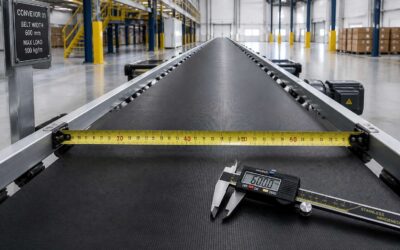
Within the intricate tapestry of industrial logistics, straight conveyor systems stand as unwavering arteries of efficiency—reliable, straightforward, yet crucial in shaping streamlined workflows. Their design features prioritize simplicity and robustness, making them indispensable for applications that demand continuous, unbranched movement. These conveyor belt structures are often configured with minimal support complexities, focusing on durable frames and evenly distributed tension to facilitate smooth operation across various industries in South Africa.
Common configurations include fixed-length arrangements that optimize space usage in warehouse and manufacturing environments. The load-bearing supports, such as heavy-duty rollers and sturdy support frames, are meticulously engineered to handle significant weight without compromising the belt’s alignment. While their design may appear modest, the true artistry lies in ensuring precise tracking and tensioning—elements vital for prolonging belt lifespan and ensuring operational harmony. From mining operations to food processing plants, straight conveyor structures exemplify a confluence of engineering discipline and practical robustness that keeps the wheels of industry turning seamlessly.
Inclined and Declined Conveyors – Structural considerations for inclined systems, including chutes and transition points
Inclined and declined conveyor systems are vital components in many South African industries, from mining to agriculture. Their unique structural considerations ensure smooth transitions between levels, preventing material spillage and reducing downtime. A key element of their design is the incorporation of chutes and transition points that facilitate seamless movement, even with varying load sizes and weights. Properly engineered support structures and frames are essential for maintaining belt stability as materials ascend or descend the incline.
When designing conveyor belt structures for inclines, it’s important to address the additional stresses placed on support supports and rollers. Reinforced frames and high-tensile materials help distribute loads evenly, minimizing risk of belt misalignment. Transition points, in particular, must be carefully engineered—smooth, tapered chutes prevent jamming and facilitate continuous flow.
- Structural robustness ensures longevity under fluctuating load conditions.
- Accurate tensioning mechanisms prevent belt slippage on inclines.
- Specialized transition zones phase materials effectively without damaging the conveyor belt structure.
Optimizing these elements makes inclined conveyors not only more reliable but also safer, reducing operational hazards and maintenance costs. The synergy between structural design and the conveyor belt structure itself plays a crucial role in boosting efficiency in busy South African industries. After all, a well-engineered incline system keeps the wheels of industry turning—without hiccups or unnecessary wear-and-tear.
Curved Conveyor Structures – Design considerations for curved or radial conveyor structures, including segmental and modular designs
Curved conveyor structures are a masterclass in engineering finesse, turning relentless horizontal movement into fluid, sweeping arcs that navigate complex plant layouts with elegance. These segments—be they of modular or segmental design—are crafted to accommodate the nuances of industrial terrain, making them indispensable in bustling South African industries. Precision in their design ensures that the conveyor belt structure maintains unwavering stability while negotiating bends, which is crucial in preventing material spillage and belt misalignment.
In many applications, especially those demanding tight turning radii, the choice between modular and segmental curved systems becomes pivotal. Modular structures offer flexibility, easy installation, and adaptability for evolving workflow needs, while segmental designs prioritize robustness and customized configurations. Support supports, tensioning systems, and tracking mechanisms must work harmoniously to preserve the overarching integrity of the conveyor belt structure, ensuring seamless operation even under fluctuating load conditions.
Meticulous attention to load distribution across the curved surfaces guarantees the longevity and safety of the system. Support rollers are arranged to optimize the routing of the belt—minimizing wear and tear while maximizing efficiency. After all, a well-conceived conveyor belt structure not only moves materials; it embodies a silent, relentless pursuit of industrial harmony, seamlessly melding form and function in the relentless dance of progress.
Modular and Custom Conveyor Structures – Benefits of modular systems and custom-built structures for specialized applications
In the dynamic landscape of South African industry, the conveyor belt structure plays a pivotal role in maintaining seamless operations. Whether for mining, manufacturing, or logistics hubs, choosing the right conveyor system is key to optimizing productivity and safety. Modular conveyor structures stand out as game-changers, offering unparalleled flexibility and quick installation for evolving operational needs. They can be assembled, reconfigured, and scaled effortlessly, making them ideal for projects with fluctuating demands. On the other hand, custom-built conveyor structures provide tailored solutions for specialized applications, ensuring robustness and exact fit in challenging terrains. These tailored designs excel in environments requiring unique loading capacities or environmental resistance, proving their worth in rugged South African terrain.
Among the benefits of modular systems is their ability to facilitate maintenance and upgrades without halting entire operations. This adaptability reduces downtime and enhances operational efficiency. Here’s a quick overview of their key advantages:
- Ease of installation and reconfiguration
- Cost-effective maintenance and upgrades
- Versatility for various applications and load capacities
- Reduced downtime, boosting productivity
From small-scale conveyor systems to massive, complex setups, the combination of smart design and innovation makes modular and custom conveyor structures invaluable. They embody a perfect synergy of durability and adaptability, ensuring that industries across South Africa stay ahead in the race of relentless industrial progress.
Maintenance and Upgrades of Conveyor Belt Structures
Routine Inspections and Wear Monitoring – Best practices for inspecting structural components and detecting wear or damage
In the intricate world of conveyor belt structure, routine inspections are the first line of defense against costly downtime and safety risks. Imagine a high-stakes operation where a single unnoticed wear point can cascade into a cascade of failures—this is where proactive maintenance becomes essential. Regular visual assessments combined with advanced wear monitoring technology reveal hidden vulnerabilities long before they manifest as catastrophic breakdowns.
Effective inspection practices involve scrutinizing critical structural components such as support frames, tensioning mechanisms, and load-bearing rollers. Identifying early signs of fatigue, misalignment, or corrosion ensures the longevity of the conveyor belt structure. Employing a combination of non-invasive testing methods and scheduled manual checks provides a comprehensive view of overall health. Furthermore, documenting observations helps pinpoint recurrent issues and informs strategic upgrades, enhancing operational safety and efficiency.
Maintaining optimal conveyor belt structure awareness isn’t just about preventing breakdowns; it’s about orchestrating a symphony of ongoing upgrades. Modern systems incorporate smart sensors and predictive analytics—tools that provide real-time wear monitoring and enable precise maintenance interventions, making downtime a thing of the past. When it comes to conveyor belt structure, vigilance is the key that unlocks durability and peak performance, ensuring your operation remains robust against the relentless demands of industry.
Structural Reinforcements and Retrofitting – Methods for strengthening existing structures and upgrading components for efficiency
In the ever-evolving landscape of industrial efficiency, the backbone of seamless operation lies within the resilience of conveyor belt structure. Strengthening and upgrading these vital frameworks is akin to giving purpose to the heartbeat of your operation. Structural reinforcements, whether through modern retrofitting or the strategic addition of reinforcements, extend the lifespan and enhance the capacity of existing systems. Such upgrades transform aging conveyors into agile, robust tools capable of handling increased loads without falter.
Meticulous attention to the mechanical integrity of support frames, load-bearing rollers, and tensioning mechanisms can be the difference between downtime and productivity bliss. Techniques like adding steel bracings or replacing worn supports ensure the conveyor belt structure remains unwavering against the relentless demands of industry. For more advanced needs, retrofitting options—such as integrating smart sensors—allow real-time monitoring and predictive maintenance for an optimized conveyor system. This dynamic process ensures maintenance is both precise and preemptive, preventing costly failures before they even begin.
Enhancing the conveyor belt structure also involves considering load distribution and the strategic placement of support rollers—an often-overlooked facet that safeguards against uneven wear and structural fatigue. The use of modular systems or custom-built frameworks grants flexibility, enabling tailored upgrades that align perfectly with operational nuances and spatial constraints. When properly reinforced and upgraded, conveyor systems not only serve their immediate purpose but evolve into engineering marvels—ready to meet the demands of the future with unwavering strength and efficiency.
Troubleshooting Common Structural Issues – Identifying and resolving problems such as misalignment, component failure, and structural fatigue
In the relentless rhythm of industry, a conveyor belt structure endures as both the silent sentinel and the pulsating heart of operational harmony. When cracks appear or misalignments shift the symphony of movement, the entire system’s resilience hangs in the balance. Troubleshooting common structural issues demands a keen eye and an unwavering resolve. Misaligned belts, for instance, not only compromise productivity but threaten the very integrity of support structures. Detecting such faults early can prevent cascading failures that ripple through your entire operation.
Structural fatigue is another silent adversary, often lurking beneath the surface of seemingly inert support beams and rollers. Over time, the relentless strain wears away at the backbone of the conveyor belt structure, necessitating strategic interventions—be it reinforcing with steel supports or replacing worn components. Sometimes, just a simple adjustment in tensioning systems can restore harmony and prolong the lifespan of your conveyor system. Vigilance remains paramount; routine inspections serve as the guardians against unexpected setbacks.
In some cases, issues such as component failure or uneven load distribution reveal themselves through jittery movements or erratic tracking. Employing diagnostic tools—whether manual assessments or smart sensor integrations—can reveal the root cause, paving the way for precise repairs.
- Assess support rollers for signs of fatigue
- Verify tensioning mechanisms for uniformity
- Inspect structural joints for wear and tear
Repairing or upgrading these critical points revitalises the conveyor belt structure, transforming it from a fragile framework into a resilient artery of industry.
Environmental Considerations – Design adaptations for challenging environments including heat, moisture, and chemical exposure
In the shadowed corridors of industry, where relentless forces threaten to unravel the fabric of machinery, the conveyor belt structure remains an unsung guardian—an enduring monument to resilience. Yet, in environments fraught with heat, moisture, or corrosive chemicals, designing a structural fortress that withstands such pressures is a daunting, often sinister pursuit. Adaptations become not just beneficial but vital for survival—thin layers of chemical-resistant coatings, stainless steel reinforcements, or specialized heat-resistant materials forge a protective sheath around the core system.
For instance, in areas prone to extreme temperature fluctuations, incorporating heat-resistant alloys ensures the conveyor belt structure maintains integrity. Conversely, in damp or chemical-laden atmospheres, corrosion-resistant coatings and sealed bearings prevent the insidious creep of decay—unless stringent upgrades are embraced, deterioration silently claims its prize, threatening to undermine productivity. The dance of structural adaptation is unending—each modification whispering promises of longevity amid relentless environmental assault.
When durability is non-negotiable, manufacturers turn to modular and custom conveyor structures—elements that can be reconfigured or reinforced on the fly. Critical to this resilience are strategic revamps, such as implementing structural reinforcements or retrofitting obsolete segments, transforming fragile frameworks into bastions of stability. In this world of shadows and steel, the silent revision of structural components is the lifeline that keeps the conveyor belt structure alive, pulsating as the industry’s heart of industry’s relentless heartbeat.
0 Comments