
Understanding TRC Conveyor Belting
Overview of Conveyor Belting Materials – Different types of materials used in conveyor belting and their applications
In the dim corridors of industrial machinery, where steel echoes and shadows dance, trc conveyor belting emerges as a silent sentinel—delivering resilience and precision under relentless strain. Understanding the materials that forge these belts illuminates their purpose; each composition whispers a tale of endurance and tailored application. From the robust rubber compounds to the intricate woven fabrics, each type of conveyor belting material is crafted for specific missions, ensuring that the journey of raw materials or finished products is both smooth and steadfast.
For instance, heavy-duty applications often lean on vulcanized rubber, providing unparalleled impact resistance. Conversely, lighter tasks may be best served by conveyor belting made from polyester fabrics, which combine flexibility with strength. An appreciation of these different materials, especially within trc conveyor belting solutions, reveals the artistry behind industrial efficiency. It’s as if these belts, wrought from a careful combination of science and craftsmanship, quietly uphold the relentless march of progress.
What Makes TRC Conveyor Belting Unique – Key features and advantages of TRC conveyor belts
TRC conveyor belting stands out in the industrial landscape because of its unique combination of durability and versatility. In environments where machinery endures constant stress, these belts deliver consistent performance that keeps operations flowing smoothly. Their key feature is resilience—designed to withstand the harshest conditions, from heavy impacts to abrasive materials.
What makes TRC conveyor belting truly exceptional is its engineered construction. It cleverly integrates advanced materials and innovative manufacturing techniques to enhance flexibility without sacrificing strength. This delicate balance ensures fewer disruptions and lower maintenance costs—an invaluable advantage for industries across South Africa seeking reliable conveyor solutions.
Some of the distinct advantages of TRC conveyor belting include:
- Enhanced impact resistance that prolongs belt life
- Superior tear and rip resistance for demanding applications
- Excellent resistance to oils, chemicals, and extreme temperatures
- High tensile strength combined with exceptional flexibility
In essence, TRC conveyor belting embodies a careful artistry—melding science, craftsmanship, and pragmatism—to ensure your operations breathe continuity and resilience every step of the way. Its innovative features make it more than just a conveyor belt; it’s a trusted partner in progress that quietly upholds the relentless march of industry with unwavering grit.
Common Industries Using TRC Conveyor Belting – Sector-specific applications including mining, manufacturing, and logistics
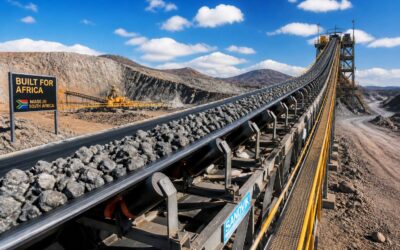
Across South Africa’s demanding industries, TRC conveyor belting has become more than just a component—it is a vital artery of progress. In sectors where reliability can mean the difference between a halt and seamless operation, understanding the diverse applications of TRC conveyor belting reveals its true value. From the relentless mining sites clawing deep into the earth to the high-volume manufacturing floors pulsing with activity, this conveyor belting technology adapts to environments that test every fiber of its strength.
In logistics and distribution centers, TRC conveyor belting facilitates swift movement of goods, reducing downtime and ensuring a resilient supply chain. Its impact resistance and flexibility make it an ideal choice for handling a variety of materials, from heavy minerals to delicate packages. Industries gravitate toward this material because it embodies durability and consistency, qualities essential to keeping industry alive and thriving.
- Mining operations rely on TRC conveyor belting for its incredible tear and rip resistance, which withstands abrasive earth and heavy impact.
- Manufacturing plants depend on its resistance to oils, chemicals, and temperature extremes, ensuring their conveyor systems operate flawlessly even in hostile environments.
- Logistics hubs benefit from its high tensile strength and adaptability, allowing for the efficient transport of both bulk goods and fragile inventory.
In truth, TRC conveyor belting’s purpose extends beyond mere material handling; it embodies a silent resilience that propels South Africa’s industries forward with steadfast grit and integrity. It is this unwavering endurance that makes it indispensable in our complex industrial landscape.
Types of TRC Conveyor Belts – Various designs and configurations available in the market
When exploring the diverse world of trc conveyor belting, it becomes clear that not all belts are created equal. Different industries demand specific designs tailored to their unique challenges. From flat belts perfect for high-volume logistics centers to textured surfaces that grip uneven loads in mining, the variety of trc conveyor belting options ensures optimal performance across sectors.
Manufacturers often choose from an array of configurations, each engineered for durability and efficiency. These include carcass types like cotton, polyester, and steel cords, which provide the backbone for strength and flexibility. Additionally, surface patterns such as cleats or corrugations are added to address specific material handling needs. No matter the application, selecting the right type of trc conveyor belting is crucial for seamless operations—something I’ve watched transform humble industrial processes into rhythmic, resilient systems.
- Standard flat belts offering versatility and ease of maintenance
- Chevron belts designed for inclined conveyance
- Wind-rail belts for smoother transport of bulk materials
Ultimately, understanding the array of trc conveyor belting options allows industries to optimize their material handling systems while minimizing downtime. This attention to detail underscores the importance of choosing the right belt for each application, making sure every link in the chain remains unbreakable.
Key Components of TRC Conveyor Belts – Understanding the construction and layers involved
Understanding the intricacies of TRC conveyor belting goes beyond simply recognizing its surface—it requires delving into its core structure, where strength and flexibility intertwine like the threads of a finely woven tapestry. At the heart of every TRC conveyor belt lies a carefully engineered layered construction, each designed to serve a specific purpose in ensuring durability and efficient operation.
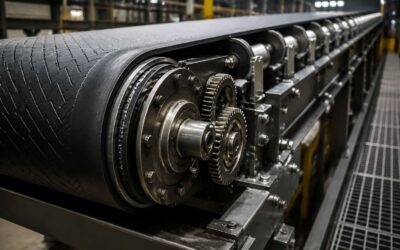
Typically, a TRC conveyor belting consists of a carcass—comprising materials like cotton, polyester, or steel cords—that provides the essential backbone. These layers are then reinforced by a rubber cover, which offers resistance to wear and tear. To address diverse industrial challenges, manufacturers often add surface patterns such as cleats or corrugations in the design, allowing the belt to handle inclined or uneven loads with grace.
Consider the following essential components of TRC conveyor belting:
- Carcass layers for tensile strength and flexibility
- Rubber covers for abrasion and impact resistance
- Surface patterns like cleats for material retention
This layered architecture does more than merely hold materials in place; it transforms the conveyor into a resilient, adaptable system capable of enduring South Africa’s demanding industries. When you select TRC conveyor belting, you’re choosing a seamless integration of engineering prowess and pragmatic resilience—testament to the craftsmanship that propels modern material handling forward.
Benefits of Using TRC Conveyor Belting
Enhanced Durability and Longevity – How TRC belts stand up to wear and tear
Choosing the right conveyor belting isn’t just about moving items from point A to B; it’s about investing in reliability that withstands the relentless grind of everyday operations. Enter TRC conveyor belting—crafted to outlast the harsh realities of industrial wear and tear. With its enhanced durability, TRC belts are like the marathon runners of conveyor systems, built to endure for longer periods, reducing downtime and maintenance costs. No one wants their productivity paralyzed by a belt giving in mid-task, and TRC conveyor belting consistently proves its mettle in demanding environments.
What truly sets TRC belts apart is their resistance to abrasions, tears, and chemical damage. These qualities translate into fewer replacements and less frequent repairs, which, let’s admit, saves a pile of money and a good deal of stress. Companies in sectors like mining, manufacturing, and logistics in South Africa see the benefit of belts that don’t merely survive but thrive amidst tough conditions. Which makes TRC conveyor belting a savvy choice for forward-thinking operations aiming for longevity and maximum operational efficiency!
- Resistant to wear and tear
- Longer service life
- Reduces maintenance costs
- Reliable under extreme conditions
Improved Safety and Reliability – Features that contribute to safer operations
In the symphony of industrial operation, safety and reliability are the baton and score guiding every movement. TRC conveyor belting emerges as a steadfast conductor, orchestrating a safer environment on the factory floor. Its inherent resistance to slippage and misalignment ensures that the belt remains steadfast, reducing the risk of accidental dislodgement or operational hazards. When conveyor systems operate smoothly, employees move confidently, knowing that their workspace is secured by a belt engineered to withstand the demanding conditions of South Africa’s industries.
One of the most profound advantages of TRC conveyor belting lies in its ability to deliver unwavering performance even under extreme conditions. This reliability acts as a silent guardian, minimizing unexpected breakdowns that can lead to perilous situations. Moreover, the advanced materials used in TRC belts offer superior resistance to chemical exposure and abrasions, creating a protective barrier that preserves structural integrity and safety standards. With fewer repairs needed, companies experience less downtime, empowering continuous productivity without compromising safety.
In essence, choosing TRC conveyor belting means embracing a partner committed to safety, reliability, and peace of mind. Its resilience transforms the conveyor system into a vigilant sentinel—watching over operations with unwavering watchfulness, making every shift safer and every task more assured.
Energy Efficiency and Cost Savings – Reducing operational costs with high-performance belts
In a landscape where every rand counts, the quest for energy efficiency and cost savings on the factory floor feels like hunting for a unicorn—until now. Enter TRC conveyor belting, the hero of high-performance belts that deliver more than just smooth operations; they slash operational costs with precision and elegance. These belts are engineered to reduce power consumption, thanks to their lightweight yet durable construction, effectively putting more in your pocket and less in your energy bill.
Moreover, their inherent resistance to slippage and misalignment means less energy wasted fighting the belt’s antics. For industries in South Africa, where power expenses can be a beast, this translates into a noticeable difference—you’ll be impressed how a simple upgrade to TRC conveyor belting can boost your bottom line.
- Lowered energy consumption
- Extended lifespan reducing replacement costs
- Fewer repairs mean less downtime and more productivity
All these benefits culminate in a remarkable reduction in overall operational expenses, transforming your conveyor system from a costly necessity into an efficient powerhouse. When durability meets savings, TRC conveyor belting becomes the savvy business owner’s best-kept secret—delivering value that keeps your operations humming without breaking the bank.
Versatility and Customization – Available options to meet specific industry needs
One of the standout advantages of TRC conveyor belting is its remarkable versatility. These belts are not a one-size-fits-all solution; instead, they are crafted with industry-specific needs in mind. Whether you’re in mining, manufacturing, or logistics, TRC conveyor belting can be tailored to meet your unique challenges. Their customization options allow for different widths, thicknesses, and surface patterns, ensuring optimal grip and minimal downtime. This level of adaptability means that your conveyor system can seamlessly integrate into your existing operations, regardless of complexity or scale.
Imagine a belt that adjusts effortlessly to your environment—resistant to the abrasive materials in mining or designed to handle delicate goods in food processing. That’s the kind of flexibility TRC conveyor belting offers. Best of all, many suppliers provide a range of options to ensure you get exactly what your process demands, giving you peace of mind that your investment is well-suited for your industry’s specific needs.
Environmental Advantages – Eco-friendly aspects and reduced environmental impact
In today’s environmentally conscious world, industries are actively seeking sustainable solutions that don’t compromise performance. TRC conveyor belting offers a compelling answer, blending efficiency with eco-friendliness. These belts are manufactured with materials that have a lower environmental impact, reducing harmful emissions during production and facilitating easier recycling at the end of their lifespan. This focus on sustainability isn’t just a trend but a necessity in promoting greener industrial practices.
One significant environmental benefit of TRC conveyor belting lies in its energy efficiency. Thanks to their lightweight construction and optimized design, these belts require less power to operate, leading to substantial reductions in energy consumption. For industries in South Africa aiming to minimize their carbon footprint, this presents an attractive option that aligns with broader sustainability goals. Additionally, the durability of TRC belts means fewer replacements and less waste, further enhancing their eco-friendliness.
Integrating TRC conveyor belting into your operations doesn’t just improve efficiency—it also supports eco-conscious initiatives. By choosing belts that prioritize environmental impact, businesses can take meaningful steps towards sustainable development while maintaining peak operational performance. With a combination of reduced energy use and recyclable materials, TRC conveyor belting proves that profitable industry can also be environmentally responsible.
Installation, Maintenance, and Troubleshooting
Proper Installation Techniques – Ensuring optimal performance from the outset
In the relentless machinery of industry, the installation of TRC conveyor belting stands as a critical juncture—one that dictates efficiency and longevity. Proper installation techniques are not merely procedural steps; they are a meticulous craft that ensures optimal performance from the outset. Every detail, from precise belt alignment to tension calibration, must be approached with unwavering precision. An improperly installed belt can silently sabotage productivity, leading to increased downtime and costly repairs.
Ensuring seamless operation requires deliberate attention to detail, often guided by a structured approach:
- Thoroughly inspect the conveyor framework before installation
- Maintain clean, debris-free surfaces to prevent premature wear
- Follow manufacturer specifications for tension and tracking adjustments
During maintenance, the focus shifts from initial setup to preservation and performance enhancement. Routine inspections of belt condition, alignment, and tension help identify issues before they escalate into operational failures. Troubleshooting common problems such as mis-tracking or abnormal wear involves a systematic analysis—checking for correct belt tension, ensuring pulleys are secure and aligned, and verifying that the conveyor frame remains undistorted. When these fundamental principles of maintenance and troubleshooting are faithfully observed, TRC conveyor belting continues to serve reliably, underpinning the vital supply chains that keep industries thriving in South Africa!
Routine Maintenance Practices – Steps to extend belt lifespan and prevent downtime
Within the dark machinery of industry, the lifespan of your conveyor system hinges not only on robust materials but also on diligent upkeep. Trc conveyor belting, with its formidable resilience, demands maintenance that is both meticulous and relentless. Routine inspections are the silent guardians of longevity; they catch the subtle signs of wear before chaos erupts on the factory floor. Pay close attention to belt condition, tension levels, and pulley alignment—these are the unseen sentinels guarding your operational integrity.
To prolong the life of your trc conveyor belting and prevent costly downtime, adopting a disciplined maintenance routine is essential. Here’s a glimpse into an effective protocol:
- Inspect the belt surface for fraying or damage
- Check tension and readjust as per manufacturer specifications
- Ensure pulleys remain aligned and free of debris
When issues arise, troubleshooting becomes a game of detective work—pinpointing mis-tracking, uneven wear, or slipping, and addressing them with precision. Remember, an ounce of prevention in maintaining your trc conveyor belting can dispel the shadows of sudden failure, keeping your supply chains alive and unyielding amidst the darkness of industrial chaos.
Common Issues and Solutions – Troubleshooting tips for typical belt problems
In the bustling realm of South African industry, a single glitch in conveyor operations can send ripple effects across the supply chain, causing costly delays. That’s why mastering the art of troubleshooting common issues with your trc conveyor belting is essential for maintaining peak performance. When belt slippage or mis-tracking occurs, quick and precise diagnosis transforms a potential catastrophe into a manageable hiccup. Early intervention not only preserves belt integrity but also safeguards ongoing productivity.
Understanding the typical problems faced in the field allows for swift solutions. For instance, uneven wear might signal pulley misalignment, while belt fraying could indicate excessive tension or debris buildup. Regular inspections help detect these issues before they escalate. Troubleshooting tactics include adjusting tension levels, realigning pulleys, or removing debris that hampers smooth operation. Simple interventions often prevent more serious damage, prolonging the lifespan of your trc conveyor belting and minimizing downtime.
For complex or persistent issues, a systematic approach is invaluable. Begin with a step-by-step process, such as:
- Assessing belt tracking alignment
- Checking tension according to manufacturer specifications
- Inspecting pulleys and rollers for damage or debris
Following this methodical approach, issues like slipping, tracking errors, or abnormal wear are often resolved efficiently, ensuring your conveyor system continues to run seamlessly. Truly, the secret lies in vigilant maintenance and an understanding of the nuanced behaviors of your trc conveyor belting, turning potential challenges into streamlined, reliable operations.
Upgrading and Replacing TRC Conveyor Belting – When and how to upgrade for better performance
Upgrading or replacing your TRC conveyor belting is key to maintaining optimal efficiency. When belts show signs of excessive wear, persistent mis-tracking, or frequent slippage, it’s time for improvement. Upgrades can include selecting a higher-grade material or a more durable design tailored to your industry’s demands. Proper installation techniques are critical—misaligned belts quickly lead to costly downtime and shortened lifespan.
Routine maintenance also plays a pivotal role in extending the life of your TRC conveyor belting. Regular inspections help identify issues like debris buildup or pulley misalignment early on, preventing costly repairs down the line. For upgrades, consider implementing
- better tensioning systems
- advanced tracking mechanisms
to ensure smooth operation and reduce energy consumption.
When replacing belts, follow a systematic approach:
- Assess current belt condition and determine if an upgrade is necessary.
- Select the appropriate TRC conveyor belting based on load, environment, and industry specifications.
- Ensure accurate installation, paying attention to tension levels and pulley alignment for optimal performance.
Choosing to upgrade your TRC conveyor belting at the right time can dramatically boost operational reliability and long-term cost savings. It’s about investing in quality that keeps your system running seamlessly while minimizing downtime.
Safety Precautions During Maintenance – Best practices to ensure worker safety
Ensuring the safety of workers during maintenance of your TRC conveyor belting is paramount—without it, even the most advanced systems risk costly downtime and potential accidents. Proper safety protocols create a secure environment, allowing maintenance to be performed efficiently and confidently. Always disconnect power supplies before any inspection or repair to eliminate the risk of unexpected belt movement. Additionally, wearing appropriate personal protective equipment (PPE) such as gloves, safety glasses, and protective footwear reduces exposure to moving parts or debris.
Clear communication with team members about ongoing maintenance is crucial. Use proper signage and lockout/tagout procedures to prevent accidental activation of the conveyor system. For a seamless workflow, follow a methodical approach:
- Inspect the belt and surrounding components for signs of wear or damage.
- Check pulley alignment and tension levels, making adjustments as needed.
- Ensure all safety guards are securely in place before restarting the belt.
Regular upkeep combined with vigilant safety practices not only prolongs the lifespan of your TRC conveyor belting but also safeguards your workforce, encouraging a culture of safety and reliability that keeps operations flowing smoothly in South Africa’s demanding industrial landscape. Remember, prevention is always better than cure, especially when it involves complex machinery like TRC conveyor belts.
Choosing the Right TRC Conveyor Belt Supplier
Key Criteria for Selection – Factors to consider such as quality, price, and support
In a landscape where efficiency defines success, selecting the perfect TRC conveyor belting supplier can feel like navigating a labyrinth of choice. The right partner doesn’t just provide a product—they offer a commitment to quality and reliability that transforms your operational landscape. According to industry insights, nearly 60% of conveyor failures originate from subpar belts due to poor sourcing. Such statistics underscore the importance of diligence in supplier selection.
When evaluating potential suppliers, consider their reputation for providing durable, high-performance TRC conveyor belting. Price is important, but it should not eclipse factors such as technical support, after-sales service, and the ability to customize belts to meet industry-specific demands. An exemplary supplier will demonstrate agility in accommodating bespoke specifications while maintaining optimal safety standards and energy efficiency. Key criteria for choosing your conveyor belting provider include a proven track record, comprehensive technical expertise, and a commitment to environmental sustainability—an increasingly vital aspect in South African industries.
- Quality assurance processes
- Competitive pricing models
- Responsive customer support
- Availability of tailored solutions
- Environmental and safety compliance
Ultimately, the choice of a TRC conveyor belting supplier hinges on a harmonious blend of these factors. It is the foundation upon which seamless operations and long-term productivity are built, elevating the industry standard beyond mere functionality into the realm of excellence.
Questions to Ask Suppliers – Important inquiries before making a purchase
Choosing the right TRC conveyor belting supplier is crucial for maintaining operational integrity and safety. Before finalizing your decision, it’s essential to ask the right questions that reveal the supplier’s true capabilities and commitment to quality.
Start by inquiring about their experience and reputation within the industry. A reputable supplier should readily provide references or case studies demonstrating successful installations of TRC conveyor belting in industries similar to yours. Don’t hesitate to ask about their quality assurance processes—how they ensure each belt meets rigorous standards.
Additionally, consider their technical support and after-sales service. Are they available to troubleshoot issues promptly? Do they offer tailored solutions designed specifically for your operational needs? Remember to delve into their environmental and safety compliance measures, particularly if sustainability and safety are priorities for your industry. An effective way to gauge their versatility is to ask for examples of customizations or innovative application solutions they have provided.
Asking these pointed questions ensures your investment in TRC conveyor belting delivers long-term reliability and peace of mind.
Evaluating Supplier Experience and Certifications – Ensuring credibility and industry compliance
Choosing the right TRC conveyor belting supplier isn’t just about price tags and flashy brochures — it’s about securing a partner who can uphold your operational integrity amidst South Africa’s demanding industries. After all, a conveyor belt isn’t just a strip of rubber; it’s the backbone of your supply chain, silently carrying the weight of your productivity. Evaluating supplier experience and certifications is a crucial step in this process. Trust me, a supplier with a rich history of successful installations and industry-recognized certifications isn’t just waving a flag; they’re proving their credibility in the field.
To cut through the noise, look for suppliers with proven expertise in TRC conveyor belting tailored to your industry. Certifications from reputable organizations demonstrate their commitment to quality and compliance, ensuring the belts meet rigorous standards. For instance, suppliers with ISO certifications or industry-specific accreditations typically follow strict manufacturing protocols. This isn’t about a shiny badge; it’s about tangible assurance that your conveyor belting will stand the test of time and heavy use. Furthermore, examining case studies or client references offers insider insights into their capacity to deliver durable, reliable TRC conveyor belting solutions.
When assessing credibility, consider asking for an ordered list of key credentials:
- Years of experience specializing in TRC conveyor belting solutions in South Africa
- Industry-specific certifications and compliance standards
- References or documented case studies from similar sectors such as mining, manufacturing, or logistics
Remember, in the conveyor belting realm, credibility isn’t just a badge — it’s a guarantee that your investment in TRC conveyor belting will perform reliably, reducing downtime and boosting efficiency. Cutting corners here is as risky as trying to navigate the Cradle of Humankind without a guide. Choose wisely, and your belts will run smoother than a South African jazz tune!
Custom Fabrication and Design Services – Leveraging bespoke solutions for unique needs
Choosing a TRC conveyor belt supplier isn’t just about standard options or off-the-shelf solutions. For industries that demand precision and durability—like mining and manufacturing—custom fabrication and design services are crucial. These bespoke solutions address your unique operational needs, ensuring optimal performance under the harshest conditions. Tailored TRC conveyor belting can be crafted to fit specific widths, thicknesses, and chemical resistances, making it a seamless addition to your process line.
Leveraging custom design services ensures that your conveyor belts aren’t just functional—they’re optimized for longevity and safety. By working closely with a supplier that offers engineered solutions, you gain belts crafted with precision and quality. This bespoke approach minimizes downtime, reduces costly repairs, and boosts overall efficiency. When your conveyor system faces one-of-a-kind challenges, a supplier with the ability to deliver custom TRC conveyor belting becomes an indispensable partner. With tailored belts, your operation doesn’t just run—it dominates.
Customer Support and After-Sales Service – Importance of ongoing support and warranty options
In an industry where precision and reliability are not just desired but essential, choosing the right TRC conveyor belt supplier can be the defining factor between operational excellence and costly setbacks. The importance of robust customer support and comprehensive after-sales service cannot be overstated. These elements are the backbone of long-term success, especially when dealing with the harsh environments found in South Africa’s mining, manufacturing, and logistics sectors.
A supplier’s commitment to ongoing support, timely maintenance, and flexible warranty options protects your investment and minimizes downtime. It’s not enough to simply purchase high-quality trc conveyor belting; knowing that expert assistance is just a call away provides peace of mind. After all, even the most durable belts require professional oversight to perform at peak capacity.
Choosing a provider that offers clear communication channels and tailored support means that your conveyor system’s uptime remains uninterrupted. A proper support team will understand industry-specific challenges and deliver solutions that sustain your operations. When you select your trc conveyor belting partner carefully, you’re not just investing in a product—you’re securing a dependable ally in your journey toward operational dominance.

0 Comments