
Types of Conveyor Belts Used in Construction
Modular Conveyor Belts – Advantages and applications in construction projects
Modular conveyor belts have revolutionized the way construction sites operate, providing seamless efficiency and unmatched durability. These conveyor belts for construction are tailored to handle the rugged demands of heavy-duty projects, offering flexibility that traditional belts simply cannot match. Their modular design allows for easy customization, making them ideal for diverse terrains and complex structures common in South African construction zones.
With advantages like quick installation, straightforward maintenance, and resilience against harsh environments, modular conveyor belts boost productivity on-site. They are perfect for transporting bulk materials such as gravel, concrete, or steel components over uneven surfaces. Construction managers favor these conveyor belts for their ability to swiftly adapt to varying project needs, reducing downtime and keeping workflows steady. Whether crossing a bridge or navigating tight corners, the ingenuity of modular conveyor belts continues to impress in every construction project.
Rubber Conveyor Belts – Durability and typical usage scenarios
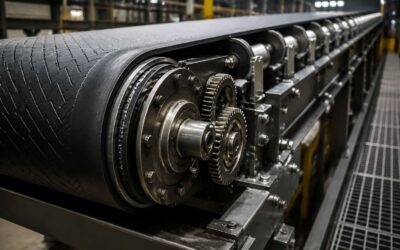
Rubber conveyor belts are an essential component of any reliable conveyor belt for construction projects. Known for their resilience and toughness, these belts are designed to withstand the harsh realities of demanding construction environments across South Africa. Their sturdy construction makes them ideal for transporting heavy, abrasive materials like gravel, crushed stone, and recycled concrete, often under conditions that would challenge more delicate systems.
What truly sets rubber conveyor belts apart is their exceptional durability. They are crafted to resist tears, punctures, and wear over time, even in rugged terrains. This durability ensures that construction sites operate smoothly without unexpected interruptions, giving project managers peace of mind. In addition, the rubber surface provides excellent grip and reduces slippage, facilitating the safe and efficient movement of materials over challenging surfaces.
Some typical usage scenarios for rubber conveyor belts in construction include:
- Transporting bulk materials over uneven terrains
- Moving aggregates and crushed stones on-site
- Loading and unloading materials at construction depots
The robustness of these belts, combined with their adaptability, makes them an indispensable asset in the arsenal of modern construction technology. When selecting a conveyor belt for construction, durability remains the cornerstone for ensuring long-lasting, reliable performance, regardless of the project’s scope.
PVC Conveyor Belts – Light-duty applications and material compatibility
When it comes to the conveyor belt for construction, versatility isn’t just a buzzword — it’s the foundation of every successful project. PVC conveyor belts, in particular, shine in light-duty applications where material compatibility and ease of handling are paramount. These belts are like the trusty Swiss Army knives of the conveyor world: lightweight, adaptable, and surprisingly resilient. Made from durable polyvinyl chloride, they glide effortlessly over smooth and slightly uneven surfaces, making them ideal for transporting smaller or less abrasive materials.
In fact, PVC conveyor belts excel at handling materials like cement, sand, and other lightweight aggregates. They are less suitable for ripping or very abrasive substances—think of them as the delicate ballet dancers of the conveyor belt for construction, rather than the heavy-duty bruisers. Their flexibility and clean, smooth surface reduce the chances of material spillage, ensuring projects stay tidy and efficient. If your construction venture requires a conveyor belt that’s easy to install and gentle on your materials, PVC conveyor belts are worthy contenders — proving that sometimes, light duty doesn’t mean light on performance.
Steel Cord Conveyor Belts – Heavy-duty construction needs and load capacity
Steel cord conveyor belts serve as the stalwart giants of the construction landscape, designed for the most demanding tasks. When heavy-duty construction projects call for maximum load capacity and unwavering durability, these belts stand ready to deliver. Their core strength lies in the interwoven steel cords that fortify the belt, enabling it to carry massive loads with precision and resilience.
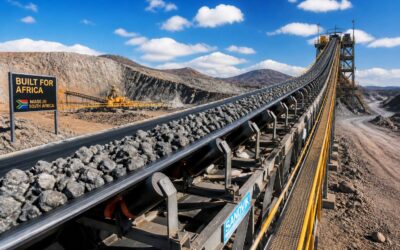
Thanks to their robust construction, steel cord conveyor belts can handle bulk materials such as gravel, crushed stones, and dense aggregates. Their exceptional tensile strength translates into fewer breakdowns and longer service life on the construction site, making them an indispensable asset in earth-moving and large-scale infrastructure projects. For those involved in construction across South Africa, where rugged terrains and hefty materials are commonplace, steel cord conveyor belts are the reliable workhorses that keep progress moving forward.
Intricately designed for heavy-duty use, these belts often incorporate considerately engineered components like
- steel reinforcement
- heavy-duty carcasses
- high-torque motors
ensuring seamless operation even under extreme conditions. Whether you’re transporting rocks at a quarry or moving construction debris, the strength and dependable performance of steel cord conveyor belts make them a cornerstone of modern construction logistics.
Specialty Conveyor Belts – Heat-resistant, fire-resistant, and custom solutions
Construction sites demand versatile conveyor belts that can withstand extreme conditions. Beyond the heavy-duty steel cord options, specialty conveyor belts play a crucial role in tailored solutions. These belts are designed specifically for the distinct challenges faced on-site, whether it’s high temperatures, fire hazards, or unique material requirements.
Heat-resistant and fire-resistant conveyor belts are essential when working near intense heat sources or in environments where fire safety is a priority. These belts use specialized materials like heat-resistant rubber or composite fabrics to prevent melting or ignition, ensuring smooth operations even in hazardous zones. Custom solutions are equally vital, allowing for modifications such as reinforced edges, unique widths, or tailored surface textures to optimize handling and safety.
To meet diverse construction demands, manufacturers offer an array of specialty conveyor belts, including:
- Fire-resistant belts for safety-critical environments
- Heat-resistant belts for high-temperature applications
- Custom-configured belts for specific material or site needs
Choosing the right conveyor belt for construction projects is about matching the material, environment, and load demands. Specialty belts ensure reliable performance and extended service life, keeping construction progress steady—no matter the challenge.
Key Features and Specifications of Construction Conveyor Belts
Load Capacity and Size – Selecting the right belt for specific project demands
When it comes to the conveyor belt for construction, understanding key features and specifications is essential for a project’s success. Not all belts are created equal, and choosing the right one can mean the difference between a smooth workflow and a logistical nightmare.
Load capacity is front and center — a heavy-duty construction site demands a conveyor belt for construction that can handle crushing loads without breaking a sweat. Sizes vary wildly, from narrow belts perfect for confined spaces to wide, robust options capable of transporting tonnes of gravel or concrete. Selecting the appropriate belt size and load capacity ensures efficiency and safety, avoiding costly delays or dangerous pile-ups on-site.
For larger projects, it’s prudent to consider belts with specific design specifications, such as reinforced edges or multi-ply construction, tailored to withstand the rigors of rugged construction environments. It’s all about matching the belt’s strength, dimensions, and material composition to the demanding tasks at hand — because in construction, versatility and durability are not just luxuries; they’re necessities!
Material Composition and Durability – Factors influencing lifespan and performance
Within the realm of construction’s relentless pulse, the conveyor belt for construction acts as the arteries that flow with purpose and resilience. Material composition and durability are not mere technical specifications, but the very backbone determining how gracefully—and how long—a belt endures the brutal cadence of a building site. Each layer must be meticulously crafted, blending strength with flexibility, to withstand the erosive forces of constant use.
Factors such as heavy-duty wear, exposure to moisture, and abrasive materials influence a conveyor belt for construction’s lifespan. Selecting the right material—be it rubber, steel cord, or specialty composites—can elevate a belt from mere equipment to an indomitable workhorse. For instance, steel cord belts are renowned for their exceptional tensile strength, perfect for heavy-load demands, while rubber belts offer flexibility without sacrificing durability.
- High-quality rubber compounds
- Steel reinforcement
- UV and weather-resistant coatings
ensure performance in the demanding South African construction environment.
Durability isn’t solely about materials, but also how well the belt maintains its core properties over time. The ideal conveyor belt for construction melds toughness with adaptability—ready to confront crushing loads, abrasive materials, and extreme temperatures—a testament to engineering artistry married to industrial necessity.
Surface Texture and Slip Resistance – Ensuring safety and efficiency on-site
When it comes to conveyor belt for construction, surface texture and slip resistance are the unsung heroes of on-site safety and efficiency. A belt’s grip on its cargo — and, by extension, on your sanity — hinges on its surface design. Smooth surfaces might look sleek, but in the rough-and-tumble world of construction, textured finishes offer the needed traction to prevent unwanted slip-ups. Think of it as giving your conveyor belt for construction a pair of sturdy hiking boots rather than ballet slippers!
One can’t overlook the importance of slip resistance, especially when dealing with wet or muddy terrains common in South African construction sites. Properly engineered surface textures help ensure materials stay put, avoiding costly accidents and project delays. Whether employing a rugged rubber surface or specialized abrasive coatings, the goal remains the same: maximum grip with minimal fuss.
Key specifications to consider for a conveyor belt for construction include:
- Surface texture design tailored for slip resistance
- Material coatings that resist moisture and mud
- Structural modifications to enhance durability under heavy loads
Ultimately, a conveyor belt for construction isn’t just a conveyor; it’s an integral part of the safety dance on site. The right surface texture won’t just move materials; it moves your project forward without slipping up along the way!
Motors and Drive Systems – Types and their impact on operation
In the realm of construction innovation, the heart of efficiency often beats quietly within the motors and drive systems of conveyor belts. These unseen engines wield immense influence over a project’s momentum, dictating their resilience amid tough South African terrain. The choice of motor type—whether induction, gear, or variable frequency—can dramatically alter operation dynamics, from energy consumption to ease of maintenance.
Each system offers unique advantages: geared motors deliver high torque essential for heavy-duty tasks, while VFD drives provide precision control for delicate materials. The structural design of the belt’s drive components directly impacts longevity, ensuring the conveyor belt for construction remains steadfast under relentless weight and continuous use. For megastructures or rugged mining operations, robust drive systems support larger, heavier belts, promising dependable performance no matter how demanding the environment.
As the backbone of on-site logistics, the right combination of motor and drive system transforms a conveyor belt for construction from simple machinery into a symphony of reliable, fluid movement—an essential feature for projects that aim for both safety and success. The power behind it all is the silent conductor, orchestrating each load with silent efficiency and unwavering dedication.
Ease of Maintenance – Design features that facilitate quick repairs
Ease of maintenance is a cornerstone feature when selecting a conveyor belt for construction, turning what might seem like routine upkeep into a seamless part of daily operations. Innovative design elements allow for quick repairs, minimizing downtime and keeping project momentum uninterrupted. Features such as accessible drive components, modular sections, and easy-to-replace wear strips contribute to a maintenance-friendly conveyor system. On-site teams can replace worn-out parts swiftly without the need for complex disassembly, saving both time and resources.
Robust access panels and clear labeling further streamline maintenance procedures. These thoughtful design elements ensure that even under the relentless demands of construction environments—where dust, debris, and heavy loads are the norm—the conveyor belt remains resilient and efficient. For those tasked with large-scale projects across South Africa’s rugged terrains, these features translate into enhanced operational uptime and durability—crucial ingredients for project success. With a conveyor belt for construction built for quick, hassle-free repairs, crews can focus on what truly matters: moving projects forward with confidence and speed.
Applications and Benefits of Conveyor Belts in Construction
Material Transportation – Transporting gravel, sand, and debris efficiently
In the bustling heartbeat of construction, where progress is measured in the swift movement of materials, the conveyor belt for construction emerges as a silent yet formidable partner. Its role in transporting gravel, sand, and debris transcends mere functionality; it embodies efficiency and resilience, transforming chaotic sites into orchestrated symphonies of productivity.
A well-chosen conveyor belt for construction not only accelerates workflows but also enhances safety by minimizing manual handling and reducing the risk of accidents. This mechanical marvel streamlines the journey of countless materials, ensuring that essentials like gravel and sand reach their destination with unwavering precision. Ultimately, its versatility and robustness are indispensable in elevating the standards of modern construction – a testament to the ingenuity built into every layer of this technology.
Assembly Line Automation – Enhancing productivity on construction sites
In the relentless dance of construction, where precision and speed are paramount, conveyor belts for construction are transforming the industry’s rhythm. These mechanical marvels do more than move materials—they orchestrate the symphony of progress with an invisible force that propels efficiency forward. When embedded into assembly line automation, conveyor belts accelerate workflows, ensuring that gravel, sand, and debris flow seamlessly from pile to purpose.
The true magic lies in their versatility; from lightweight PVC conveyor belts perfect for delicate tasks, to rugged steel cord systems that bear the weight of heavy-duty chaos—each fitting a specific need with grace. Their ability to enhance productivity while safeguarding workers elevates construction sites to new heights of safety and mastery. It’s this harmony of strength, adaptability, and ingenuity that cements conveyor belt for construction as an indispensable ally in the pursuit of monumental achievement.
Reducing Labor Costs – Automation benefits and safety considerations
In the rugged realm of construction, where every second counts and safety is paramount, conveyor belts for construction emerge as silent maestros of efficiency. They orchestrate a ballet of materials, reducing labor costs while amplifying productivity with unwavering precision. By automating the movement of gravel, sand, and debris, these robust systems diminish the need for manual labor, allowing workers to focus on strategic tasks that demand craftsmanship and expertise.
Automating material transport not only accelerates workflow but also personifies safety—eliminating many hazards associated with manual lifting and carrying. The seamless flow of materials, overseen by reliably engineered conveyor systems, minimizes accidents and optimizes site safety. With a smart selection process—considering load capacity and surface texture—construction professionals can tailor conveyor belts for construction that meet the precise needs of each project, turning chaos into harmony.
Indeed, the true strength of conveyor belts for construction lies in their adaptability. Whether for lightweight PVC belts guiding delicate components or heavy-duty steel cord systems bearing enormous loads, each conveyor belt becomes a strategic asset. This synergy of innovation and safety not only transforms construction sites into well-oiled machines but also cements conveyor belts as indispensable in the architecture of progress.
Overcoming Terrain Challenges – Adapting conveyor systems for uneven surfaces
Contrary to the chaos often seen on sprawling construction sites, conveyor belts for construction demonstrate an uncanny ability to tame the wildest terrains. In regions like South Africa’s rugged landscapes, adapting conveyor systems to uneven surfaces is not just a feat of engineering—it’s a testament to innovative resilience. These systems journey seamlessly across jagged rocks, loose soil, and uneven ground, transforming disorder into streamlined productivity.
Customization becomes vital in such demanding environments. Elevated or inclined terrains, loose gravel, and rocky patches require conveyor belts with specialized features, like adjustable height options or reinforced support structures. Through thoughtful adaptation, conveyor belts for construction become more than mere conveyors—they evolve into navigators of the challenging landscape, ensuring that material flow remains uninterrupted and efficient.
Furthermore, by employing innovative surface textures and slip-resistant materials, these conveyor belts provide the stability needed for complex terrains. This not only guarantees safety but also extends the operational lifespan of the system. Whether moving sand up an incline or debris across uneven ground, the strategic selection of conveyor belt for construction ensures motorized precision and unwavering reliability—an essential element in constructing South Africa’s dynamic, often unpredictable infrastructure.
- Adjustable support legs for uneven surface balancing
- Reinforced, textured belts for slip resistance
- Heavy-duty frames capable of withstanding rough terrain
Where terrain challenges once meant delays and hazards, conveyor belts now forge ahead, carrying the cornerstone of progress across even the most unforgiving landscapes.
Improving Safety on Site – Minimizing manual handling risks
Harnessing conveyor belts for construction has revolutionized site safety, transforming the way materials are moved and managed. These systems significantly minimize manual handling risks, an essential stride toward safeguarding workers amid the chaos of busy construction zones. By automating the transport of gravel, sand, and debris, conveyor belts for construction reduce the need for manual lifting and carrying, lowering the likelihood of injuries caused by strain or accidental mishaps.
The strategic integration of conveyor belts creates an environment where safety isn’t just an afterthought but a foundational element. Materials are delivered directly to their designated zones with precision, preventing clutter and minimizing trip hazards. This seamless flow of materials fosters a more secure and efficient worksite, ultimately saving time and reducing labor costs.
Moreover, the presence of conveyors with slip-resistant surfaces and reinforced frames enhances stability on uneven terrain—an often overlooked but vital benefit. In the unpredictable South African construction landscape, conveyor belts aren’t merely tools; they are key players in elevating safety standards while maintaining unwavering productivity.
Factors to Consider When Choosing a Construction Conveyor Belt
Project Scale and Scope – Aligning belt specifications with project size
Choosing the right conveyor belt for construction hinges on understanding the project’s scale and scope—an often underestimated factor with high stakes. Larger projects demand robust, high-capacity belts capable of handling significant loads, while smaller operations might prioritize flexibility and ease of installation. The dimensions of the construction site, combined with material volume estimates, directly influence the selection process. In fact, unconsciously mismatched specifications can cause delays or safety hazards, turning a straightforward task into a costly challenge.
Evaluating the project scope can also reveal unique terrain challenges or specific material transport needs. For instance, if you’re dealing with uneven surfaces or transporting bulky debris, a heavy-duty steel cord conveyor belt might be necessary. Conversely, for light-duty applications that require quick setup, PVC conveyor belts may suffice. The key is aligning belt specifications—such as width, length, and load capacity—with the distinct demands of the construction site. This meticulous process ensures the conveyor belt for construction becomes a seamless extension of your workflow, not an Achilles’ heel.
Environmental Conditions – Weather, dust, and exposure impacts
Amidst the tumultuous dance of dust, rain, and relentless sun, the suitability of a conveyor belt for construction transforms from mere machinery to a guardian of progress. In the shadowed corridors of heavy industry, environmental conditions cast formidable barriers; they test the resilience of both equipment and operators. For the construction site in South Africa, where weather is unpredictable and exposure to corrosive elements common, selecting a conveyor belt that can withstand these merciless forces is paramount.
The impact of weather, dust, and exposure on a conveyor belt for construction cannot be underestimated. Harsh sunlight can cause degradation in certain materials, while moisture and corrosion threaten the integrity of steel cord or rubber belts. Dust accumulation, ubiquitous in construction zones, may impair slip resistance and increase maintenance burdens. Therefore, it’s vital to consider belts with specialized surface textures and protective coatings, designed specifically for these rugged environments. Sometimes, a simple rubber conveyor belt won’t suffice—here, heavy-duty, weather-resistant models shine, ensuring longevity under South Africa’s diverse climatic conditions.
In environments where dust and debris fill the air, safety, and operational efficiency hinge on the chosen conveyor belt’s ability to resist such degradation. An effective solution may involve incorporating belts with enhanced durability and impervious surface layers, capable of handling the toxic grit and moisture. Moreover, selecting belts with appropriate load capacity and size tailored to the construction project’s terrain—be it flat, uneven, or sloping—is a necessity that ensures seamless operation and boosts productivity amid unpredictable environmental factors.
Budget Constraints – Cost vs. durability and performance
Choosing the right conveyor belt for construction isn’t just about initial cost; it’s a strategic decision that influences project longevity, safety, and overall efficiency. In South Africa’s unpredictable climate, balancing budget constraints with the need for durability is especially critical. A cheaper, less resilient belt might save money upfront but could lead to costly replacements and downtime down the line—a trade-off that can slow progress and inflate expenses.
Considering the longevity of your conveyor belt for construction ensures your investment withstands harsh environmental challenges. For instance, selecting a belt with reinforced surface layers or weather-resistant coatings can dramatically extend its service life, ultimately lowering total ownership costs. Sometimes, it pays to spend a little more on high-performance belts that can endure salt spray, intense sun, and relentless dust—conditions common across South African construction sites. Remember, in the long run, durability often outweighs initial savings.
Furthermore, evaluating performance expectations—such as load capacity and slip resistance—helps match the belt with the specific demands of your project. A belt with high load capacity and excellent traction may cost more at first but can prevent operational delays and material spills that compromise safety and efficiency. In the world of construction, where every minute counts, choosing a quality conveyor belt for construction creates a foundation for steady, uninterrupted progress—making it an investment worth considering for every project!
Mobility and Portability – Fixed vs. portable conveyor options
Choosing the right conveyor belt for construction isn’t just about capacity—it’s a decision that can truly shape the rhythm of your project. When considering mobility and portability, the choice between fixed and portable options is paramount. Fixed conveyor belts are anchored firmly, offering stability for large-scale, continuous operations. They excel in tasks requiring high throughput and minimal movement, making them ideal for enduring construction sites.
On the flip side, portable conveyor belts bring flexibility—crucial when dealing with uneven terrain or evolving project phases. Their ease of relocation allows for swift adjustments and access to hard-to-reach areas, saving valuable time and manpower. In South Africa, where unpredictable terrain and weather conditions are common, selecting an adaptable conveyor belt for construction can be the difference between delayed deadlines and streamlined efficiency.
- Assess the scope of your project and determine if a fixed or portable system best aligns with your operational needs.
- Consider the terrain—rough, uneven ground calls for mobility, while stable surfaces favor fixed setups.
- Evaluate how often the system will need to be moved or adjusted during construction.
Ultimately, whether you opt for the steadfast reliability of a fixed conveyor belt or the agility of a portable model, understanding the terrain and project dynamics is crucial. The right choice enhances safety, boosts productivity, and ensures your construction project keeps progressing on time.
Installation and Operation Requirements – Ease of setup and operational considerations
Choosing the right conveyor belt for construction projects in South Africa hinges on understanding installation and operational requirements. Flexibility and ease of setup directly influence project timelines and safety. A conveyor system that’s complicated to install can lead to costly delays and increased labor costs. Therefore, evaluating how quickly the conveyor belt for construction can be mobilized and dismantled is essential.
Operational considerations include examining the power sources and drive systems. Reliable motors ensure smooth, continuous operation, while low-maintenance designs help keep downtime minimal. For environments with challenging terrain, selecting a conveyor belt for construction that offers robust stability and adaptability is vital. In rugged conditions, features like adjustable support legs or modular sections can facilitate swift on-site modifications, reducing setup time and boosting efficiency.
If quick adjustments or repositioning are needed, an emphasis on lightweight, portable conveyor belts becomes clear. These systems are designed for fast assembly and disassembly, making them perfect for evolving construction sites where terrain and project scope shift frequently. Streamlined operation, coupled with straightforward maintenance, ultimately leads to safer job sites and more reliable project flow. After all, in construction, time saved on setup translates directly into project success.

0 Comments