
Understanding Conveyor Belts with Buckets
Introduction to Bucket Conveyor Belts – Overview of how conveyor belts with buckets operate and their primary functions
When you think of conveyor systems, images of endless belts hauling mundane cargo might come to mind. Yet, the conveyor belt with buckets emerges as a true hero in the realm of material handling—an unsung superstar behind many industrious South African operations. Unlike ordinary belts, these marvels feature mounted buckets precisely engineered to lift, transport, and dump materials with uncanny efficiency.
Operationally, the conveyor belt with buckets employs a series of rotating buckets attached to a belt that follows a pre-defined path—usually inclined or even vertical—making uphill tasks seem almost effortless. These buckets are designed to scoop, hold, and release bulk materials such as gravel, cement, or minerals, which are vital in sectors like mining and construction. The primary functions of such conveyors include seamless material transfer, reducing manual labour, and maintaining a constant workflow even over challenging terrain.
To better understand their versatility, consider this:
- They can be customized for high-volume operations, ensuring no project stalls due to material transportation woes.
- They minimize spillage and material loss, which means no more sleepless nights worrying over costly waste.
- They are built for durability—standing ready to withstand South Africa’s tough industrial environment.
The conveyor belt with buckets isn’t just a conveyor; it’s the backbone of numerous industries, quietly transforming chaos into order. Truly, these systems are the epitome of engineering finesse married to practicality.
Types of Bucket Conveyor Systems – Classification of different bucket conveyor designs, including continuous and intermittent types
Understanding the myriad designs of conveyor belts with buckets unlocks a world of tailored solutions for diverse industrial challenges. These systems are not monolithic; rather, they encompass a spectrum of configurations that adapt seamlessly to specific material handling needs. The most prominent classifications include continuous and intermittent bucket conveyor systems, each offering unique advantages that speak to efficiency and precision.
Continuous bucket conveyors operate tirelessly, maintaining a steady flow of bulk materials along a fixed route. Their unbroken operation is vital for high-volume industries where any halt could spell costly delays. Conversely, intermittent conveyors are designed to deliver materials in controlled bursts, allowing for meticulous handling of delicate or irregular loads. These systems shine in scenarios requiring precise timing and synchronization, especially in mines or construction sites across South Africa.
- Continuous systems prioritize unceasing motion, ideal for large-scale operations needing rapid throughput.
- Intermittent systems excel in delicate tasks, offering controlled, pause-and-go functionality.
At the heart of each design is the conveyor belt with buckets, which acts as the reliable messenger—lifting, transporting, and depositing materials with remarkable finesse. Whether tailored for relentless throughput or meticulous handling, these systems exemplify engineering ingenuity married to practical necessity, seamlessly blending form and function in the industrial tapestry of South Africa.
Key Components and Materials – Overview of main parts such as buckets, belts, drive system, and supporting infrastructure
Understanding the core components of a conveyor belt with buckets reveals how this system achieves reliable, precise material handling. Each part plays a vital role in ensuring smooth operation and maximum efficiency in industrial environments.
The buckets themselves are the primary carriers, designed to lift, transport, and deposit bulk materials. Made from durable materials like plastics or metals, they are engineered to withstand harsh conditions and continuous use. The conveyor belt with buckets functions as the system’s backbone, moving steadily or intermittently based on operational needs.
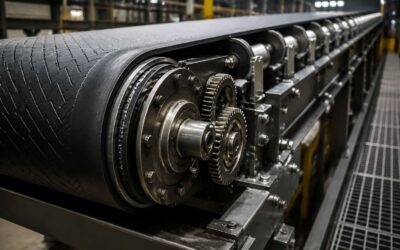
The drive system powers the entire assembly. It typically includes motors, pulleys, and sprockets—ensuring consistent movement of the belt with buckets. Support structures, like rollers and frames, provide stability and alignment, preventing slippage and damage during operation.
Optimum performance hinges on these main parts working in harmony. Whether for high-volume bulk handling or delicate material transportation, a well-designed conveyor belt with buckets optimizes throughput and reduces downtime, making it an essential piece of equipment for industries across South Africa.
Applications and Industries Using Bucket Conveyor Belts
Material Handling in Agriculture – Transporting grains, seeds, and other agricultural products
In the sprawling fields and bustling silos of South Africa’s agricultural landscape, conveyor belt with buckets systems have become the unsung heroes of efficiency. These clever contraptions are perfect for transporting everything from grains and seeds to other agricultural products—saving labor, time, and a good deal of back-breaking effort. It’s as if Mother Nature herself gave a nod of approval to this mechanized marvel! Moreover, their versatility means they can thread through tight spaces and handle varying loads without breaking a sweat.
Industries across the board have embraced conveyor belt with buckets technology. Mainly in agriculture, they streamline the movement of bulk raw materials, reducing spoilage and loss. For instance, farmers rely on these systems to lift heavy loads of maize or wheat from harvesters straight to storage silos, bypassing human hands—because, let’s face it, no one wants to manually hump barrels of grain all day.
- Transporting grains with minimal spillage
- Moving seeds efficiently from planting to packaging
- Handling diverse agricultural produce safely and swiftly
Get ready, because conveyor belt with buckets are set to change how the agricultural industry in South Africa tackles the age-old challenge of moving colossal quantities efficiently. If you’re looking at smart, durable, and reliable material handling solutions, this system is the way to go—unobtrusive but mighty in its impact!
Food Processing Industry – Moving bulk materials like nuts, candies, and frozen foods
Within the shadowed corridors of industrial evolution, the conveyor belt with buckets emerges as a spectral force—silent yet relentless in its purpose. In the realm of food processing, this machinery becomes the vessel that carries weighty treasures such as nuts, candies, and frozen foods, transforming chaos into order with ghostly precision. The dark serenity of these systems whispers promises of efficiency, pushing bulk materials with an unwavering resolve that seems almost supernatural.
Industries craving swift, safe transport find salvation in the conveyor belt with buckets. As the machinery sweeps through production lines, it ensures the swift movement of delicate and heavy items alike, safeguarding quality while reducing human toil. Its design allows for seamless handling of diverse foodstuffs, preventing spoilage and loss—a feat that feels almost alchemical. For such critical tasks, few tools wield as much silent power as the conveyor belt with buckets.
Mining and Quarrying – Handling minerals, ores, and aggregates efficiently and safely
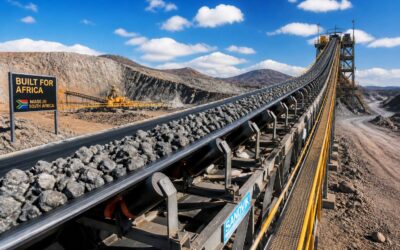
Within the rugged landscapes of South Africa’s mining and quarrying sectors, the conveyor belt with buckets stands as an unyielding titan—an anchor of efficiency amidst the raw power of mineral extraction. As miners delve into the earth’s deep secrets, this marvel of engineering swoops in to handle heavy, unwieldy ores with supernatural grace. Its ability to transport vast quantities of minerals, ores, and aggregates seamlessly makes it indispensable in rugged terrains where stability and safety are paramount.
The versatility of the conveyor belt with buckets shines brightest when it adapts to the complexities of mining operations. From rough excavation sites to processing plants, it ensures the swift, secure movement of materials that would otherwise demand strenuous manual labor. Industries often rely on this machinery to reduce downtime, increase throughput, and safeguard workers from perilous environments. Its robust construction withstands the relentless pressure of abrasive materials, performing miracles in harsh conditions.
- Handling diverse bulk materials with an almost mythical efficiency.
- Ensuring minimal material loss with precise, controlled transport processes.
- Reducing human exposure to hazardous environments during bulk material movement.
In the vast expanse of South Africa’s mineral-rich regions, the conveyor belt with buckets is more than a machine; it’s a silent guardian of industrial progress, transforming chaos into clarity with each effortless sweep through the earth’s bounty.
Chemical and Pharmaceutical Sectors – Conveying powders, granules, and other sensitive materials
Within the intricate tapestry of industrial processes, the conveyor belt with buckets reveals its true purpose—a silent yet relentless facilitator of precision in sectors where even the smallest loss bears significant consequences. In the chemical and pharmaceutical industries, this machinery handles powders, granules, and delicate materials with a finesse that borders on the extraordinary. The gentle scooping motion of the buckets ensures that sensitive substances are conveyed without contamination or segregation, maintaining both purity and potency.
This technology is indispensable when transporting materials that require controlled, dust-free environments. Its ability to minimize wastage and prevent cross-contamination not only preserves product integrity but also aligns with strict regulatory standards. Industries leveraging a conveyor belt with buckets understand that consistency isn’t just a goal—it’s a necessity, especially where human error could jeopardize safety or quality.
In environments demanding meticulous handling, employing a conveyor belt with buckets is more than an operational choice; it’s a moral commitment to excellence. From fine powders in pharmaceutical production to granular chemicals, this system transforms the arduous task of material handling into an act of seamless, almost artful efficiency. Its design intricately balances strength with delicacy, echoing the deeper human pursuit of mastery over our environment—controlling chaos, one bucket at a time.
Advantages of Using Conveyor Belts with Buckets
Efficiency and Speed – Enhanced throughput and reduced manual labor
Efficiency in material handling isn’t just about speed; it’s about smarter, more optimized processes that elevate productivity. Conveyor belts with buckets exemplify this philosophy—transforming tedious manual labor into seamless, automated operations. By employing a conveyor belt with buckets, industries can see an immediate boost in throughput, often doubling or tripling their capacity to move bulk materials swiftly across large distances. This high level of efficiency stems from the conveyor belt with buckets’ ability to continuously transport hefty loads without interruption, reducing downtime and operational hiccups.
Moreover, the speed at which materials are conveyed directly impacts overall operational effectiveness. The rhythmic, synchronized motion of a conveyor belt with buckets allows for consistent, predictable flow, minimizing delays. This is especially valuable in fast-paced sectors like food processing or mining, where timing is critical and delays ripple through the entire chain. Enhancing throughput while cutting back on manual labor not only accelerates production but also improves safety standards, reducing worker fatigue and risk of injury. Truly, the conveyor belt with buckets is a marvel of engineering that marries tradition with innovation—delivering speed, precision, and reliability in every load.
Versatility and Customization – Adaptability for different materials and operational needs
The versatility of a conveyor belt with buckets makes it an indispensable tool across diverse industries. Unlike traditional systems, these conveyors can be tailored to handle a wide range of materials—whether gritty minerals or delicate food products. This adaptability ensures maximum efficiency regardless of operational needs or material type.
From heavy-duty mining applications to sensitive pharmaceutical processes, a conveyor belt with buckets can be customized to meet specific requirements. The buckets themselves come in various materials and designs, allowing for precise handling of different bulk commodities. Options include corrosion-resistant coatings for chemical industries or food-grade plastics for edible goods. Such flexibility minimizes downtime and reduces the need for multiple conveyor systems.
- Adjustable bucket sizes for different load capacities.
- Choice of belt materials for specific environmental conditions.
- Customizable bucket shapes to optimize flow and prevent spills.
Its ability to be tailored means industries can optimize their material handling processes, whether moving grains, minerals, or powders. In essence, a conveyor belt with buckets adapts seamlessly to operational shifts, ensuring productivity stays high and downtime remains minimal. When equipment needs to move materials efficiently and precisely, this conveyor system stands out as a versatile solution that grows with your needs!
Cost-Effectiveness – Long-term savings and low maintenance requirements
In an era where operational efficiency isn’t just a goal but a necessity, the conveyor belt with buckets emerges as a beacon of long-term cost savings. Unlike traditional conveying systems that demand frequent repairs and costly downtime, these systems are engineered for durability. Their robust construction and low-maintenance design translate into savings that accumulate over years of reliable performance.
One of the most compelling advantages is their low maintenance requirements. Components like buckets and belts are often made from materials resistant to corrosion and wear, especially in challenging environmental conditions common in South Africa. This resilience minimizes the frequency of replacements and reduces overall operational costs.
Moreover, a conveyor belt with buckets ensures efficient material handling, which directly impacts productivity. By reducing manual labor and streamlining the flow of goods—whether mineral ores or agricultural grains—these systems enhance throughput without inflating expenses. The ability to customize bucket sizes and materials further optimizes costs, making it a versatile investment that aligns with diverse industry needs.
- Cost-effective operations over the lifespan of the system
- Reduced downtime due to durable, low-maintenance components
- Adaptability to handle various materials and environmental challenges seamlessly
In essence, investing in a conveyor belt with buckets is about choosing ingenuity over expense—an enduring commitment to efficiency, sustainability, and long-term savings in the demanding landscape of South African industry.
Safety Considerations – Minimizing workplace accidents and ensuring hygienic processes
Safety isn’t just a buzzword—it’s the bedrock of efficient conveyor belt with buckets operation, especially in rugged industries like mining and agriculture. When handled improperly, these systems can become hazards that turn a smooth workflow into chaos. Fortunately, safety considerations can be seamlessly integrated into every step of your conveyor belt with buckets setup. Proper guarding and emergency stop mechanisms reduce the risk of workplace accidents, ensuring that workers can operate confidently without fear of unexpected tumbles or entanglements.
In addition to safety, hygiene plays a pivotal role—particularly in sectors like food processing and pharmaceuticals where cleanliness is non-negotiable. Conveyor belts with buckets designed with smooth, food-grade materials help prevent contamination, making them a hygienic choice for transporting perishable goods or sensitive chemicals. This focus on cleanliness not only safeguards health standards but also boosts operational efficiency by reducing cleaning downtime.
To make safety a natural part of your workflow, consider these points:
- Regular inspection of belts and buckets for wear and tear.
- Installing safety covers and warning signs for high-risk zones.
- Training staff to understand safe operation protocols.
Prioritizing safety and hygiene isn’t just about avoiding fines or downtime; it underscores your commitment to a productive, sustainable operation. A conveyor belt with buckets, when designed with these factors in mind, becomes a trusted partner in maintaining a safe and hygienic environment—proof that even the heaviest, messiest materials can be handled with care and precision.
Maintenance and Optimization Tips for Bucket Conveyor Belts
Regular Inspection and Cleaning – Best practices for maintaining operational efficiency
Operational excellence in a conveyor belt with buckets hinges on meticulous maintenance and strategic optimization. Over time, dirt, debris, and material accumulation can compromise the system’s efficiency, risking costly downtime and operational delays. Regular inspection exposes wear-induced deformations, loose fasteners, or damaged buckets that threaten the belt’s integrity. Cleaning, when performed methodically, not only prolongs component life but also sustains hygienic standards vital for industries like food processing.
To streamline maintenance, integrating a scheduled inspection routine ensures that potential issues are detected early—preventative measures save resources and maintain continuous productivity. In some cases, employing advanced condition monitoring sensors can help pinpoint abnormal vibrations or belt misalignments before they escalate. Moreover, optimizing operational parameters—such as adjusting belt tension or improving load distribution—can significantly boost throughput without compromising safety or longevity.
For those invested in maximizing the lifespan and performance of their conveyor belt with buckets, embracing these practices cultivates a resilient system that operates seamlessly amidst demanding industrial environments.
Troubleshooting Common Issues – Identifying and resolving typical problems like belt misalignment or wear
Maintenance and optimization are the lifeblood of a conveyor belt with buckets, transforming it from mere machinery into a resilient artery of industry. When issues such as belt misalignment or uneven wear emerge, they threaten to disrupt the seamless flow of operations, often with costly repercussions. Recognizing these symptoms early can be a game-changer—wear-induced deformations or loose fasteners are telltale signs that warrant immediate attention.
Addressing common problems may seem straightforward, but precision in troubleshooting is vital. For example, belt misalignment can usually be traced back to improper tensioning or misaligned support rollers. To counteract these, I recommend a thorough inspection cycle, examining bucket attachment points and checking for material build-up that could skew proper tracking. Embracing advanced monitoring tools, such as sensors that detect vibration anomalies, can provide real-time insights—allowing preventative action before major failure occurs.
For those seeking to elevate their conveyor belt with buckets, it’s crucial to appreciate that continuous fine-tuning—like adjusting load distribution or lubrication protocols—can drastically prolong system lifespan. Here’s a quick primer:
- Regularly inspect bucket attachments for signs of fatigue or damage.
- Ensure belt tension is calibrated to manufacturer specifications.
- Utilize condition sensors for early anomaly detection.
- Balance load to prevent uneven wear.
In the dance between efficiency and wear, a proactive approach to troubleshooting transforms routine maintenance into an art—one that keeps the conveyor belt with buckets rhythmically pulsing with purpose, even amidst the intensity of heavy industry.
Upgrading and Modernizing Systems – Implementing new technology for improved performance
Upgrading and modernizing a conveyor belt with buckets isn’t just about adding shiny new parts; it’s about revolutionizing your entire material handling game. With technological leaps like IoT sensors and smart drive systems, industries are transforming their traditional conveyor systems into intelligent marvels capable of preempting issues before they even occur. Imagine a conveyor belt with buckets that alerts you to uneven load distribution or impending wear—talk about a crystal ball!
Incorporating new technology into your conveyor belt with buckets can significantly boost performance. For example, installing condition sensors enhances real-time monitoring, enabling quick responses to anomalies that could otherwise lead to costly downtime. Additionally, modern drive systems now come equipped with programmable logic controllers (PLCs), fine-tuned to optimize speed and tension—reducing manual adjustments and increasing efficiency.
For those ready to make the leap, consider the following:
- Implement advanced vibration and temperature sensors for seamless early detection of system fatigue.
- Upgrade support rollers to ones with self-aligning features, which drastically reduce belt misalignment issues.
- Adopt variable frequency drives (VFDs) that allow precise control of belt speed and load capacity—maximizing throughput without sacrificing longevity.
By embracing these innovations, your system becomes not just a conveyor belt with buckets, but a sentinel of productivity—maximized, modernized, and ready to tackle even the most demanding industrial environments. Elevating your conveyor system with recent technological advancements ensures longevity, efficiency, and peace of mind in a competitive industrial landscape.
Safety Protocols and Compliance – Ensuring adherence to safety standards and regulations
Safety on a conveyor belt with buckets isn’t just about ticking boxes; it’s the backbone of operational longevity and worker well-being—especially in bustling South African industries. Regular maintenance and sharp optimization are crucial to keep that mechanical workhorse humming smoothly while remaining compliant with local safety protocols. Neglecting this can turn a robust system into a hazard zone quicker than you can say “downtime.”
Start with routine inspections, focusing on wear and tear indicators. It’s a simple step with big payoffs—think of it as giving your conveyor belt with buckets a health check, catching issues before they morph into costly repairs. Also, ensure all safety guards and emergency stop buttons are accessible, functional, and clearly marked. Remember, the goal is keeping the conveyor running safely while safeguarding your team from preventable mishaps.
Incorporate safety protocols such as lockout/tagout procedures during maintenance, and don’t forget to train staff regularly—knowledge is power, after all! For added security, consider implementing digital monitoring systems to track belt conditions in real-time, alerting you to any irregularities that could compromise worker safety or system integrity.
Lastly, stay ahead of regulations by periodically reviewing South African Occupational Health and Safety standards. Because a well-maintained conveyor system with buckets isn’t just about productivity; it’s about creating a safe environment where machinery and personnel thrive hand in hand.

0 Comments