
Understanding Conveyor Belts with Motors
Types of Conveyor Belts with Motors – Exploring different types such as belt conveyor, roller conveyor, modular belt, and specialty belts
Think your morning coffee is vital? Well, a conveyor belt with motor is arguably just as crucial in the industrial realm—driving efficiency behind every package, raw material, and assembly line. These motorized marvels transform tedious manual tasks into smooth operations that keep South Africa’s factories humming along with impressive precision. When it comes to understanding conveyor belts with motors, the key lies in their diverse types, each tailored for a specific purpose and environment.
Among the most common types are the belt conveyor, which offers a straightforward transfer of bulky loads—imagine a high-speed courier service for goods. Roller conveyors, on the other hand, excel at horizontal movement, especially when items can roll smoothly without much fuss. Modular belts are a game-changer for food processing or fragile items—they’re adaptable, easy to clean, and resilient. Specialty belts, crafted for unique needs like heavy-duty mining or food safety, often feature advanced materials or embedded sensors, pushing the boundaries of what a conveyor belt with motor can achieve.
Components of a Conveyor Belt System – Overview of motors, belts, pulleys, rollers, and frames
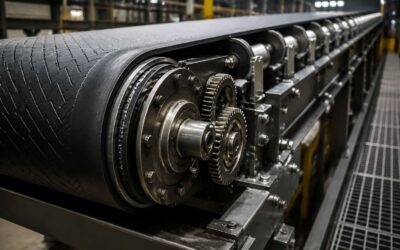
Behind every seamless transfer of raw materials and finished goods lies an intricate symphony—an orchestrated dance of components that breathe life into the conveyor belt with motor. These mechanics are the silent engines of productivity, transforming factory floors into arteries of efficiency. At the heart of this ensemble is the motor, a powerhouse that propels movement with relentless precision, whispering commands through a web of interconnected parts.
Integral to this system are the pulleys and rollers, which act as the conductor’s baton—guiding, tensioning, and sustaining the rhythm of motion. The frame, sturdy yet adaptable, cradles this ensemble, holding everything in perfect alignment amidst the chaos of industrial activity. To truly appreciate the engineering marvel of a conveyor belt with motor, one must understand its core elements:
- The motor itself, providing the necessary torque to move loads of all sizes
- The belts, which serve as the conveyor’s arteries, transporting goods with grace and resilience
- The pulleys, complex wheel structures that redirect and control the belt’s journey
- The rollers, smooth-surfaced cylinders that ensure unwavering support and effortless movement
- The frame, the backbone that stabilizes and adapts to diverse operational environments
Each component, meticulously designed and crafted, plays a vital role in transforming a simple sheet of rubber or plastic into a marvel of engineering. Together, they form the lifeblood of a conveyor belt with motor, ensuring that every package, load, or product is handled with care and efficiency, seamlessly linking the wheels of industry in South Africa’s vibrant manufacturing landscape.
How the Motor Powers a Conveyor Belt – Explanation of motor mechanisms, drive systems, and power transmission
Conveyor belts with motors are the backbone of efficient manufacturing across South Africa. But have you ever wondered how the motor actually powers this complex system? It all begins with how the motor converts electrical energy into mechanical motion. Inside, a motor mechanism uses electromagnetic fields to generate torque, which then drives the entire conveyor system forward. This precise power transmission ensures smooth and reliable operation, even under heavy loads.
The drive system acts as the bridge between the motor and the conveyor belt, translating rotational force into linear movement. Typically, this involves a combination of pulleys and gears that optimize torque and speed. The motor’s output is transmitted via a series of components that work together seamlessly, ensuring efficient operation without interruptions. For a conveyor belt with motor to perform optimally, understanding how these elements connect and function is essential — each part must work in concert, much like a well-orchestrated symphony.
- The motor supplies torque, the force needed to move loads of all sizes efficiently.
- The drive system, comprising pulleys and gears, transmits power reliably.
- Power flows through belts, rollers, and other components, sustaining the rhythm of movement.
This harmony of components underscores the industrial importance of a reliable conveyor belt with motor, especially in South Africa’s thriving manufacturing sector. Every element plays a crucial role in transforming raw materials into finished goods.
Advantages of Using Conveyor Belts with Motors
Increased Efficiency and Productivity – How motors improve conveyor throughput and reduce manual labor
In an era where efficiency isn’t just a goal but a necessity, the conveyor belt with motor has revolutionized industrial operations across South Africa. Studies reveal that automated conveying systems can boost throughput by up to 30%, fundamentally transforming traditional workflows. No longer do workers need to manually transport heavy loads—automated motors seamlessly carry out repetitive tasks, freeing up valuable human resources.
The motor’s role in a conveyor belt with motor isn’t merely functional; it’s strategic. By precisely controlling speed and tension, motors optimize the entire conveyor system, ensuring consistent performance even amidst demanding conditions. This consistency translates to increased productivity, as businesses can meet higher production targets without sacrificing quality. The integration of advanced motor technology also reduces maintenance costs and downtime, reinforcing reliability and fostering long-term operational excellence.
Embracing motor-driven conveyor belts signifies a shift toward smarter, leaner manufacturing landscapes. As industries strive to stay competitive, the synergy between motorized components and conveyor design emerges as a fundamental driver of growth. The conveyor belt with motor becomes more than machinery—it’s a catalyst for innovation and resilience in South Africa’s dynamic industrial scene.
Automation and Customization – Flexibility in controlling speed, direction, and automation capabilities
Imagine a symphony where every instrument plays in harmony—each note precisely tuned to produce a seamless melody. That’s the essence of a conveyor belt with motor, a marvel of automation that transforms the rhythm of industrial production. The adaptive control systems embedded within these motorized conveyance solutions offer unparalleled flexibility, allowing operators to finely tune speed, direction, and automation capabilities with effortless precision.
In a landscape where agility defines competitiveness, the conveyor belt with motor stands as a beacon of versatility. Whether it’s increasing throughput during peak hours or adjusting to delicate materials, the capacity to customize operations elevates efficiency beyond mere expectation. For instance, with programmable drives, industries can optimize conveyor speeds for different products, ensuring gentle handling or rapid processing as needed. This dynamic adaptation turns conveyor systems into responsive partners rather than static tools.
Furthermore, the incorporation of advanced motor technology means that the conveyor belt with motor can be integrated into complex automation workflows. This seamless integration fosters a resilient and adaptable manufacturing environment—one capable of meeting the unpredictable demands of South Africa’s diverse industries. From mining to manufacturing corridors, the conveyor belt with motor exemplifies innovation that is as flexible as it is reliable. This marriage of control and customization ignites a new era of operational mastery, turning conveyor systems into the very heartbeat of industrial evolution.
Enhanced Safety Features – Safety mechanisms integrated with motor-driven systems and safety benefits
Safety shouldn’t be an afterthought when it comes to industrial automation, especially with conveyor belts that drive productivity and precision. The conveyor belt with motor is engineered with integrated safety features that safeguard both operators and equipment. These systems incorporate cutting-edge safety mechanisms—such as emergency stop buttons, automatic shut-off sensors, and overload protections—that react instantaneously to anomalies. It’s like having a guardian angel watching over your workflow, reducing the risk of accidents and ensuring compliance with safety standards in South Africa’s demanding industries.
Moreover, the motor-driven system’s enhanced safety benefits extend beyond immediate protections. The advanced control technology allows for smooth, controlled operations—mitigating abrupt starts and stops that could cause injuries or disrupt delicate processes. This level of control makes a significant difference in environments handling fragile materials or heavy loads, where stability is paramount. The result? A safer, more reliable operation that keeps your team out of harm’s way while maintaining optimal efficiency.
- Automated safety shut-offs prevent accidents during mechanical failures.
- Overload sensors protect motors and belts from damage, extending system lifespan.
- Emergency stop mechanisms ensure rapid response to urgent situations.
In a world where industrial safety becomes increasingly sophisticated, the conveyor belt with motor emerges as a vital asset. It not only boosts operational efficiency but also embeds peace of mind within its core design—empowering South African industries to run smarter, safer, and more resilient manufacturing landscapes. The future belongs to automation that cares as much about safety as it does about productivity—welcome to the revolution of safety-enhanced conveyor systems.
Factors to Consider When Choosing a Conveyor Belt with Motor
Load Capacity and Belt Size – Matching motor power and belt dimensions to application needs
In the realm of industrial efficiency, few components are as pivotal as the conveyor belt with motor—a silent workhorse that orchestrates the seamless movement of goods across vast spaces. To unlock its full potential, selecting the right load capacity and belt size becomes less of a choice and more of an art. Your conveyor belt with motor must resonate with the specific demands of your operation, balancing power with precision. Overestimating can lead to unnecessary expenditure and wear, while underestimating may cause halts and failures, disrupting your workflow.
Understanding the intricacies of load capacity and belt dimensions ensures a harmonious match with your application’s needs. Consider the weight and volume of materials, the speed requirements, and the environment in which the conveyor operates. For hefty loads, a conveyor belt with motor boasting higher torque and reinforced belts will prevent sagging and mechanical stress. Conversely, lighter or more delicate items demand a belt that is both nimble and gentle, avoiding damage or jamming.
- Properly gauged motor power—key for preventing overloads and ensuring longevity
- Optimal belt width and length—critical for maintaining efficiency and avoiding bottlenecks
- Environmental factors—such as dust, moisture, or heat—necessitate tailored specifications
Matching motor torque and belt size to your specific operational demands isn’t just about functionality; it’s about creating a cohesive system that elevates productivity and safety. Every application is unique, demanding a nuanced understanding that transforms a simple conveyor belt with motor into an indispensable asset.
Motor Type and Power Rating – Choosing between AC, DC, geared, or brushless motors
When selecting a conveyor belt with motor, understanding the type and power rating of the motor isn’t just a technical detail—it can determine the entire efficiency of your operation. In South Africa’s diverse industries, choosing the right motor can mean the difference between smooth throughput and costly breakdowns. Different applications demand different motor types—AC, DC, geared, or brushless—as each offers unique advantages.
For example, AC motors are reliable and well-suited for continuous operation, making them a popular choice for heavy-duty conveyor systems. On the other hand, DC motors provide precise speed control, perfect for delicate or adjustable processes. Geared motors combine torque with control, while brushless motors, renowned for their longevity, are increasingly favored in automation-heavy setups.
- Strength and durability
- Speed precision
- Energy efficiency
Matching the motor’s power rating to your load capacity is critical. Too weak, and your conveyor belt with motor could strain under pressure; too strong, and you risk energy waste and accelerated wear. Consider your operational demands, environment, and future scalability when making a choice. It’s about finding that sweet spot where capacity meets efficiency. After all, in a world where efficiency reigns supreme, the right motor can elevate your conveyor system from functional to exceptional.
Environmental Conditions – Operating in harsh environments, abrasion, moisture, and temperature considerations
In the shadowy corridors of industrial machinery, where relentless forces threaten to devour even the stoutest of mechanisms, the environment itself becomes a silent adversary. When selecting a conveyor belt with motor for South Africa’s diverse conditions, understanding the scope of environmental factors is vital. The relentless sun scorches, moisture seeps into every crevice, and abrasion whispers its deadly song—each threat demanding careful consideration.
Harsh environments can swiftly undermine the integrity of a conveyor belt with motor if neglected. Extreme temperatures—both sweltering and freezing—alter the physical properties of belts and damage sensitive components. Moisture, whether from rain or humidity, fosters corrosion, compromising motor longevity. Abrasion from rough materials or grit can erode surfaces, diminishing performance and lifespan.
To withstand these elements, select a motor built for resilience—encased in robust, weatherproof housings and equipped with seals that block out moisture. In addition, the choice of belt material matters; rugged, abrasion-resistant belts prolong operational endurance. When operating in challenging South African terrains, an environmental assessment becomes as crucial as the motor’s power. After all, your conveyor system must endure the relentless march of nature and industry alike!
Drive Mechanism and Control Systems – Selecting from direct drive, gear drives, variable speed controllers
Choosing the right drive mechanism for a conveyor belt with motor is crucial to optimizing performance in diverse South African industries. The decision impacts not only efficiency but also how well the system adapts to environmental challenges, load demands, and operational speeds. Understanding the differences between drive mechanisms can save many headaches down the line.
For instance, direct drive systems provide excellent synchronization and minimal maintenance, making them ideal in environments where precision is paramount. Gear drive mechanisms, on the other hand, deliver high torque, suitable for heavy-duty applications requiring increased load capacity. Variable speed controllers can add exceptional flexibility, allowing operators to tailor conveyor speeds to changing needs—great for dynamic production lines or resource variability.
Sometimes, a hybrid approach is best. Here is an
- innovative option to consider:
- integrating variable speed controllers with geared drives to balance power and adaptability.
Whether you choose a direct drive, gear drive, or incorporate advanced control systems, the primary goal remains the same: ensuring your conveyor belt with motor operates reliably under South Africa’s unique terrains and demanding environments. The right selection enhances productivity and extends system lifespan, proving that the technology behind conveyor systems is more than just a mechanized conduit—it’s an essential component of industrial resilience.
Maintenance and Troubleshooting of Conveyor Belts with Motors
Routine Inspection and Preventive Maintenance – Lubrication, belt checks, and motor health assessments
Maintaining a conveyor belt with motor isn’t just about avoiding a costly breakdown—it’s about ensuring your entire operation keeps rolling smoother than a Durban rollercoaster. Routine inspection is your first line of defense. Regularly check the belt for signs of wear, misalignment, or embedded debris that could cause costly downtime. Don’t forget to assess the health of the motor itself; overheating, unusual noises, or sluggish performance often signal trouble brewing just beneath the surface.
Preventive maintenance transforms from a tedious chore into a strategic weapon. Lubrication of bearings and pulleys with high-quality greases is critical to keep friction low and wear minimal. Belt tension should be monitored to prevent slipping or excessive strain on the motor. Additionally, timely belt checks help detect fraying or cracks before they evolve into catastrophic failures. A well-maintained conveyor belt with motor not only extends its lifespan but also ensures peak efficiency, saving you time, money, and a bit of sanity in the process.
Some maintenance tasks can be simplified with a basic checklist or an ordered list like:
- Inspect the belt for damage and proper tension
- Lubricate pulleys and bearings
- Check motor temperature and listen for unusual sounds
- Test safety features and emergency stops
Troubleshooting often reveals the subtle clues of a conveyor belt with motor that’s losing its zest—slipping belts, excessive vibrations, or inconsistent speeds. Addressing these issues swiftly with pinpoint diagnostics can keep your system humming along like a well-tuned marimba. Remember, a proactive approach to maintenance is your best bet against costly failures and production halts.
Common Issues and Solutions – Troubleshooting motor failure, belt misalignment, or slipping
When your conveyor belt with motor stalls unexpectedly, it’s more than just an inconvenience—it’s a disruption that echoes through the entire operation, threatening efficiency and profitability. Motor failure, belt misalignment, and slipping are all common issues that, if left unaddressed, can escalate into costly repairs or catastrophic downtime. The real challenge lies in recognizing the subtle signs before they manifest into full-blown failures. An overheated motor, irregular vibrations, or a belt that inexplicably slips are all telltale signals that something is amiss beneath the surface.
In many instances, the root cause can be traced back to overlooked maintenance—an area where vigilance pays dividends. For example, belt misalignment often results from improper tension or worn pulleys. Correcting this involves inspecting the belt’s position and adjusting the tension to avoid undue stress that could hasten deterioration. Similarly, slipping typically signals a loss of grip, which may occur if the belt is frayed or if the motor’s drive output is insufficient.
Regular troubleshooting of a conveyor belt with motor involves simple yet crucial steps:
- Check for belt damage or cracks that compromise grip
- Inspect the tension to prevent slipping or misalignment
- Evaluate motor temperature to ensure it stays within recommended limits
- Listen for unusual noises that may indicate bearing failure or internal wear
A proactive diagnostic approach—spotting these clues early—helps maintain the vital harmony between belt and motor. When issues such as excessive vibrations or inconsistent conveyor speed appear, swift intervention not only preserves the longevity of your equipment but also sustains the seamless flow that your operation depends on. Because at the end of the day, maintaining a conveyor belt with motor isn’t just about keeping machines running—it’s about safeguarding relentless productivity and the human effort that drives it forward!
Upgrading and Retrofitting – Improving existing systems for better performance and energy efficiency
In the relentless world of industrial processing, a conveyor belt with motor can be the unseen hero or the silent saboteur. Upgrading and retrofitting these systems isn’t just about fixing what’s broken; it’s about unleashing peak performance and skyrocketing energy efficiency. Advanced motor technology, such as brushless or geared motors, can transform ordinary conveyor systems into powerhouse performers, capable of handling increased loads with smoother precision.
- Improved drive mechanisms
- Enhanced control systems
allow for seamless automation, reducing manual intervention and minimizing downtime.
Retrofitting existing conveyor systems involves replacing outdated motors with modern, energy-efficient models. This not only extends equipment lifespan but also boosts throughput—crucial for competitive markets like South Africa where productivity dictates profitability. By upgrading components such as drives, pulleys, and belts, companies create a synergy that’s hard to beat. The key is thorough inspection and strategic enhancement, ensuring each element harmonizes perfectly.
Whether dealing with harsh environmental conditions or demanding heavy loads, optimizing your conveyor belt with motor is an investment in resilience. When well-executed, these upgrades light the path toward smarter, more reliable operation—turning ordinary conveyors into extraordinary assets that keep your business moving forward. Because with the right enhancements, the potential of your conveyor belt with motor becomes limitless—a roaring force in the heart of your production line.
Safety Precautions During Maintenance – Lockout/tagout procedures, electrical safety, and proper handling
Maintaining a conveyor belt with motor isn’t just routine; it’s a vital safeguard that keeps throughput steady and operational costs minimal. When these systems falter, productivity slows, and costly downtime ensues—a scenario no South African manufacturer wants to face. Proper troubleshooting begins with a keen eye on electrical connections, motor health, and belt alignment, but safety remains paramount.
Before any maintenance, follow strict lockout/tagout procedures. This ensures all power sources are isolated, preventing accidental start-ups that could lead to injuries. Safety gloves, insulated tools, and protective eyewear are non-negotiable. A comprehensive safety protocol keeps workers safe whilst addressing issues like motor overheating or belt misalignment. Remember, the harsh environments typical in South Africa’s mines, factories, or ports demand extra caution and resilience in lockout/tagout procedures.
Routine inspection fueled by a preventative maintenance schedule can reveal mounting issues before they escalate. Regular checks should include lubricating bearings, inspecting belts for wear, and testing motor performance. When troubleshooting a conveyor belt with motor, look for warning signs such as unusual vibrations or unusual noise, which often point to misalignment or lubrication failures. In some cases, replacing worn pulleys or upgrading motor control systems can significantly enhance system reliability.
In instances of slipping or inconsistent speed, a systematic approach—often involving a detailed diagnostic checklist—ensures no stone is left unturned. Understanding common issues and their remedies makes the difference between a quick fix and a prolonged shutdown. Whether it’s replacing a faulty drive component or recalibrating the tension on the belt, a meticulous approach upholds operational integrity, especially where resilience against tough environmental conditions is non-negotiable. Safety and maintenance—two pillars of a seamless conveyor belt with motor—go hand in hand to safeguard efficiency and extend the lifespan of critical equipment.


0 Comments