
Understanding Conveyor Belts
Overview of Conveyor Belts – Types, materials, and commonly used industries
Conveyor belts form the backbone of many industries, quietly powering the movement of goods and raw materials with unwavering reliability. In South Africa’s bustling mining and manufacturing sectors, understanding the intricacies of conveyor belt sales can make all the difference in enhancing operational efficiency. Did you know that the global conveyor belt market is expected to grow significantly over the next decade? This growth reflects the increasing demand for durable, versatile conveyor systems tailored to diverse industrial needs.
When considering conveyor belt types, it’s essential to understand their materials and applications. Commonly used materials include rubber, PVC, and steel cord, each offering distinct advantages depending on the industry. For instance, rubber belts are ideal for heavy-duty mining operations, while PVC belts are preferred in food processing due to their cleanliness and flexibility.
Industries such as agriculture, mining, logistics, and manufacturing rely heavily on conveyor belt sales that cater specifically to their needs. The right conveyor belt not only boosts productivity but also ensures safety and longevity. By selecting the appropriate type and material, businesses can optimize their supply chain and reduce downtime, turning conveyor systems into silent heroes of daily operations.
Components and Parts – Basic parts including belts, rollers, and frames
In the shadowed realm of industrial machinery, the true essence of a conveyor belt lies beyond its visible surface. It is a symphony of components working in harmony, each part vital to the relentless pulse of commerce. When exploring conveyor belt sales, understanding the fundamental parts that compose these mechanical giants becomes paramount.
The core elements include the conveyor belt itself, often crafted from rubber, PVC, or steel cord, designed to endure the brutal demands of industry. Supporting this are rollers—silent sentinels that guide and sustain the belt’s relentless journey. Frames, sturdy and unyielding, provide the backbone that holds everything in place amidst the chaos of movement. Sometimes, these components are configured into complex assemblies, tailored precisely to the needs of South Africa’s mining and manufacturing sectors.
Within this intricate architecture, specific parts such as drive pulleys, tensioners, and idlers work in unison, transforming raw materials into a seamless stream of productivity. Whether it’s a heavy-duty rubber belt in the depths of a mine or a sleek PVC conveyor in a food processing plant, the right combination of parts ensures durability and efficiency. As the market for conveyor belt sales expands, so does the importance of understanding these vital components—each one a vital piece of the industrial puzzle, silently powering the heartbeat of industry’s relentless march forward.
Advantages of Using Conveyor Belts – Efficiency, safety, and cost savings
In the relentless rhythm of industry, conveyor belts emerge as the silent architects of efficiency, transforming chaotic movement into a symphony of productivity. Their advantages extend beyond mere transportation; they embody safety, cost savings, and streamlined operations—crucial elements that forge the backbone of South Africa’s bustling mining and manufacturing sectors. When considering conveyor belt sales, it’s vital to recognize that these aren’t just mechanical components but the arteries of enterprise, pulsing with potential.
Imagine a conveyor belt as a living artery, tirelessly pulsing with purpose, reducing manual labor and minimizing hazards. The beauty of these mechanical marvels lies in their ability to optimize workflows, cutting costs while elevating safety standards. For industries where every second counts, a well-designed conveyor belt ensures seamless, uninterrupted flow—an unyielding guardian of operational excellence.
Ultimately, the right conveyor belt isn’t just about moving materials; it’s about empowering industries to thrive, innovate, and push boundaries. As the market for conveyor belt sales expands, understanding these advantages becomes the key to unlocking new levels of industrial efficiency and resilience.
Types of Conveyor Belts for Sale
Standard Conveyor Belts – Basic models suitable for general use
Standard conveyor belts are the backbone of countless industries, seamlessly transforming raw materials into polished productivity. Their unassuming presence belies the vital role they play in maintaining the rhythm of manufacturing, logistics, and assembly lines. When considering conveyor belt sales, understanding the variety of basic models available helps in selecting the perfect fit for your operational needs.
These basic models are designed for versatility and durability, suitable for tasks ranging from simple transport to complex processing. They are crafted from durable materials that withstand daily wear and tear, ensuring longevity and consistent performance. For those seeking reliable solutions, standard conveyor belts often feature straightforward construction, making maintenance and repairs a breeze.
In the realm of conveyor belt sales, it’s essential to recognize the array of options available—each tailored to specific applications. For instance, some models are equipped with textured surfaces for better grip, while others boast smooth finishes for gentle handling of delicate items. This variety ensures that businesses can find the ideal conveyor belt to match their unique operational demands.
Heavy-Duty Conveyor Belts – Designed for demanding industrial applications
Heavy-duty conveyor belts are the silent giants powering South Africa’s most demanding industrial sectors. These formidable belts are engineered to endure the relentless stress of high-volume operations, whether in mining, manufacturing, or logistics. Their robust construction ensures they stand resilient against abrasions, impacts, and extreme conditions, making them an indispensable asset for businesses seeking conveyor belt sales that deliver unwavering performance.
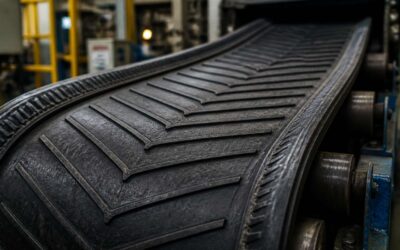
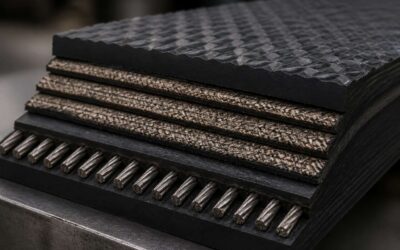
Designed with strength and longevity in mind, heavy-duty conveyor belts often feature reinforced carcasses and specialized materials that resist tearing and stretching. Their textured surfaces provide superior grip, essential for transporting bulky or abrasive materials efficiently. For those who demand nothing but the best in reliability, these belts are crafted to perform under pressure day after day, year after year.
In the realm of conveyor belt sales, understanding the specific needs of your operation can be transformative. Whether you require a belt for rugged mining environments or heavy industrial processing, options abound. For example, some models incorporate features like:
- High tensile strength
- Impact-resistant covers
These attributes ensure seamless integration into your workflow, boosting productivity and reducing downtime.
Modular Conveyor Belts – Customizable and easy to repair
When it comes to conveyor belt sales, one of the most versatile and innovative options on the market today is the modular conveyor belt. These belts are a marvel of adaptability, designed to meet the dynamic needs of South Africa’s bustling industries. Unlike traditional belts, modular conveyor belts are composed of interlocking segments, making them not only customizable but also incredibly straightforward to repair. This means less downtime and more productivity—an essential advantage in competitive industrial environments.
The beauty of modular conveyor belts lies in their flexibility. Whether you need to transport delicate products or rugged materials, these belts can be tailored to suit your specific application. Their design allows for easy replacement of sections, ensuring that maintenance is swift and hassle-free. Plus, the textured surface provides excellent grip, reducing slippage and enhancing safety for workers. If you’re exploring conveyor belt sales, considering modular options could be a game-changer for your operations.
Specialized Conveyor Belts – Food-grade, incline, curve, and other specific types
In the intricate dance of modern industry, specialized conveyor belts emerge as the unsung heroes—silent yet indispensable. South Africa’s vibrant sectors demand precision and adaptability, and these tailored solutions deliver just that. From food-grade belts that ensure purity and safety to incline and curve variants that navigate complex layouts—each type is a masterpiece of engineering designed to meet unique operational needs.
Imagine a conveyor system that gracefully ascends or meanders through a labyrinth of factory floors. Such specialized conveyor belts—crafted with purpose—are essential in sectors like food processing, where hygiene is paramount, or in logistics, where space constraints require agility. Often, these belts feature textured surfaces for enhanced grip or are reinforced to handle abrasive materials, elevating safety and efficiency to new heights. For your conveyor belt sales journey, understanding the array of options available can transform your workflow into a symphony of seamless motion and productivity.
Factors to Consider When Buying Conveyor Belts
Application and Industry Requirements – Matching belt type to specific needs
Choosing the right conveyor belt for your operation is akin to selecting the perfect suit—fit, function, and finesse matter immensely. With conveyor belt sales booming across South Africa, understanding application and industry requirements can turn a mundane purchase into a strategic advantage. It’s not just about affordability; it’s about matching the belt type to your specific needs, whether that’s handling fragile goods or enduring harsh environments.
For instance, industries like mining or heavy manufacturing require robust, heavy-duty conveyor belts that can withstand relentless wear and tear. Conversely, food processing plants demand conveyor belts that meet strict hygiene standards—think food-grade materials and easy-to-clean surfaces. Recognizing these nuances ensures that your investment in conveyor belt sales delivers optimal performance, longevity, and safety. Sometimes, a bespoke solution, like modular or incline belts, might be the smartest choice, especially if flexibility and maintenance ease are priorities.
- Assess the nature of your materials—fragile, abrasive, or sticky.
- Evaluate environmental conditions—moisture, temperature, and chemical exposure.
- Consider your industry’s regulatory standards—safety and hygiene are non-negotiable.
By aligning these factors with your conveyor belt needs, you can navigate the world of conveyor belt sales with confidence—ensuring your conveyor system not only moves products but also elevates your operational efficiency to new heights.
Belt Material and Durability – Choosing the right material for longevity and safety
Choosing the right conveyor belt material is crucial for ensuring both safety and longevity in your operational environment. In South Africa’s diverse industrial landscape, the durability of your conveyor belt can dramatically influence productivity and maintenance costs. When considering conveyor belt sales, it’s essential to evaluate the specific demands of your application—whether you’re transporting abrasive minerals or delicate food products.
Materials like rubber, PVC, and polyurethane each bring unique strengths to the table. For instance, rubber belts are renowned for their resilience in heavy-duty applications, while PVC belts offer excellent chemical resistance. Durability isn’t just about choosing a tough material; it’s about aligning that choice with your operational needs. An overly rigid belt might resist wear but could damage fragile items, whereas a softer belt may wear faster but provide better care for sensitive goods.
To navigate this landscape, consider factors such as environmental exposure—moisture, heat, or chemical contact—and how these influence belt performance. Sometimes, selecting a specialized, food-grade or incline conveyor belt becomes necessary.
- Assess material compatibility
- Evaluate environmental conditions
- Prioritize safety standards
Ultimately, making informed decisions about belt material and durability during your conveyor belt sales journey ensures that your system not only performs reliably but also withstands the test of time—transforming a simple purchase into a strategic investment in operational excellence.
Size and Width Specifications – Proper dimensions for optimal performance
Choosing the right size and width for your conveyor belt is a critical decision that can make or break your operational efficiency. In South Africa’s bustling industries, where every second counts, selecting the proper dimensions ensures smooth, uninterrupted flow. An ill-fitting belt can lead to costly downtime or product spillage, which no business can afford.
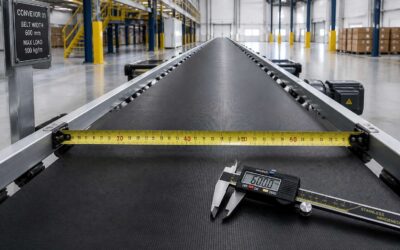
When evaluating conveyor belt sales, pay close attention to the specific demands of your application. The belt’s width must accommodate the size of your payload, while the length should align with your conveyor system’s layout. Remember, a belt that’s too narrow may cause bottlenecks, while an excessively wide belt could result in unnecessary energy consumption. Proper measurement and consultation with experts are vital to optimize performance and safety standards.
In some cases, industry-specific factors influence the choice of belt size—such as handling bulky minerals or delicate food items. Here, precision in dimensions becomes even more critical. The right belt size not only enhances throughput but also extends the lifespan of your conveyor system, making your investment in conveyor belt sales truly worthwhile.
Speed and Load Capacity – Ensuring efficiency and handling capacity
In the intricate ballet of industrial logistics, speed and load capacity are the prima ballerinas—each demanding careful choreography. When considering conveyor belt sales, it’s imperative to evaluate how swiftly the belt must operate and how much weight it will carry without batting an eye. An underperforming belt that can’t handle the load is a recipe for inefficiency, while an overly robust option may drain your energy resources like a thirsty camel in the Kalahari.
To ensure seamless flow, scrutinize your operational tempo and payload requirements. Sometimes a simple conveyor belt sales consultation can reveal that a belt with a higher load capacity and suitable speed can transform your throughput. Remember, the right choice isn’t solely about raw power but also about finesse—matching the belt’s capabilities to your specific industry demands. Whether you’re handling fragile food products or rugged mineral loads, the balance between speed and load capacity is the keystone of optimal performance.
In South Africa’s competitive markets, where every second counts, selecting a belt that aligns with your unique operational rhythm isn’t just wise—it’s essential. The subtle art of matching belt speed and load capacity ensures your conveyor system runs smoothly, reducing downtime and increasing productivity, all while keeping your operational costs in check. After all, a well-chosen conveyor belt isn’t just a purchase; it’s a strategic investment in efficiency and longevity.
Where to Find Quality Conveyor Belt Sales
Manufacturers and Direct Suppliers – Benefits of buying directly from producers
Finding reliable conveyor belt sales manufacturers and direct suppliers is essential for sourcing quality products that meet industrial standards. In South Africa, many companies offer conveyor belts directly from producers, cutting out middlemen and passing on significant cost savings to buyers. Purchasing directly from producers guarantees authentic materials, better customization options, and quicker lead times. It also enhances the ability to negotiate prices and obtain tailored solutions suitable for specific application and industry requirements.
When searching for a trusted source, look for suppliers with a proven track record and extensive industry experience. Some manufacturers provide comprehensive catalogs of standard, heavy-duty, modular, and specialized conveyor belts, ensuring you find the perfect fit for your operation. Opting for direct procurement from these producers often results in more reliable delivery schedules and superior after-sales support, making conveyor belt sales a strategic investment rather than just a purchase.
In South Africa, many top-tier producers and distributors are accessible online and through industry trade shows. Here are some benefits of buying directly from these producers:
- Lower overall costs due to elimination of middlemen
- Guaranteed product authenticity and quality
- Enhanced customization and technical support
- Faster turnaround times for orders and repairs
Industrial Equipment Distributors – Reputation and customer support
When it comes to sourcing reliable conveyor belt sales in South Africa, reputation and customer support stand as pillars of confidence. Top-tier industrial equipment distributors understand that a smooth supply chain hinges on trust, which is why choosing a supplier with proven industry experience is paramount. A reputable distributor not only offers high-quality conveyor belts but also provides comprehensive after-sales support, ensuring your operations remain uninterrupted. This ongoing partnership can make all the difference, especially when rapid repairs or custom solutions are needed.
To find the best conveyor belt sales, consider those distributors with an extensive track record and a robust portfolio of products tailored to diverse industries. Many of these suppliers boast dedicated teams ready to assist with technical queries, offer tailored solutions, and ensure quick turnaround times. If you prefer a more structured approach, an ordered list can be helpful:
- Research online reviews and industry reputation.
- Attend trade shows and industry expos to meet distributors face-to-face.
- Verify the availability of comprehensive catalogs covering standard, modular, and specialized belts.
Ultimately, choosing a distributor renowned for quality conveyor belt sales and exceptional customer support transforms a simple purchase into a strategic investment that powers your business forward. Reliable suppliers are the backbone of efficient, safe, and cost-effective industrial operations in South Africa — making them an indispensable part of your supply chain.
Online Marketplaces and B2B Platforms – Convenience and variety
In the digital age, where convenience often dictates choice, finding quality conveyor belt sales online offers unparalleled access to a diverse marketplace. B2B platforms and online marketplaces serve as vast ecosystems where industrial buyers can explore an array of options without geographical constraints. These platforms are designed to streamline the procurement process, providing detailed product specifications, reviews, and direct communication channels with suppliers. The sheer variety ensures that whether you need standard conveyor belts or specialized solutions, the perfect match is just a click away.
Many reputable online marketplaces cater specifically to the South African industrial sector, offering a curated selection of conveyor belt sales from trusted manufacturers and distributors. An ordered list can clarify the pathway to sourcing reliable belts:
- Visit established B2B portals such as Alibaba, Made-in-China, or local South African industrial trade platforms.
- Utilize search filters to narrow down options based on belt type, material, and application.
- Check supplier ratings, reviews, and certifications to gauge credibility and quality.
Engaging with these digital marketplaces often reveals competitive pricing, flexible bulk purchase options, and prompt delivery—elements vital for maintaining a resilient supply chain. The intersection of convenience, variety, and transparency makes online platforms an indispensable avenue for securing top-tier conveyor belt sales in South Africa’s bustling industrial landscape. It’s not just about acquiring a product; it’s about forging a connection with a supplier who understands the intricate needs of your operation—something only an open, accessible online market can truly facilitate.
Local Service Providers and Installers – Assembly, maintenance, and support
When it comes to sourcing top-tier conveyor belt sales in South Africa, the value of partnering with reputable local service providers and installers cannot be overstated. These experts not only supply quality belts but also offer critical assembly, maintenance, and ongoing support that keeps your operation running smoothly. Choosing a trusted contractor ensures your conveyor system remains efficient, safe, and durable—key factors for maintaining productivity in a competitive industrial landscape.
Many local companies specialize in conveyor belt sales and installation, boasting extensive experience across diverse sectors such as mining, manufacturing, and logistics. These providers understand the unique demands of South Africa’s industrial environment and are equipped to tailor solutions that meet your specific needs. Their comprehensive service typically includes site assessment, precise installation, and scheduled maintenance, all aimed at extending the lifespan of your conveyor belts and minimizing downtime.
To streamline your search, consider focusing on providers that offer:
- On-site consultation and custom belt solutions
- Reliable after-sales support and spare parts availability
- Warranty options and flexible service agreements
Engaging with local specialists ensures you’re not just purchasing conveyor belt sales but forging a partnership grounded in understanding your operational intricacies. These professionals bring a wealth of expertise, helping you select the right belt type, material, and dimensions while providing ongoing support that safeguards your investment. In a landscape where efficiency and reliability are paramount, the benefits of working with trusted local service providers become clear—delivering peace of mind and ongoing operational excellence.
Tips for Purchasing Conveyor Belts
Evaluating Seller Reputation – Checking reviews and certifications
In a landscape where industrial efficiency can be the difference between profit and loss, the choice of a conveyor belt can seem deceptively straightforward—yet, it’s anything but. When it comes to conveyor belt sales, evaluating a seller’s reputation isn’t just about price; it’s about trust, quality, and long-term performance. A quick glance at reviews or certifications can reveal invaluable insights into the reliability of a supplier. Reliable sellers often hold certifications like ISO or industry-specific standards that ensure their conveyor belts meet rigorous safety and durability benchmarks.
Furthermore, a reputable seller’s track record, especially within South Africa’s diverse industrial sectors, can be a barometer of their commitment to excellence. Look for testimonials that speak to prompt delivery, after-sales support, and product longevity. Don’t overlook the importance of checking for industry-specific certifications, which guarantee that the conveyor belts are suited for demanding applications, whether in mining, manufacturing, or food processing. Remember, choosing the right seller during conveyor belt sales isn’t just about acquiring a product—it’s about forging a partnership built on quality and trust.
Requesting Quotes and Comparisons – Getting the best value for your investment
When diving into conveyor belt sales, requesting quotes and comparisons might not sound as exciting as a safari adventure, but it’s the secret sauce to getting the best bang for your buck. Think of it as shopping for the perfect pair of shoes—measure twice, cut once, and make sure you’re not overpaying for something that doesn’t fit your industrial needs.
Start by gathering multiple detailed quotes from reputable suppliers. Don’t just settle for the first offer that crosses your desk—some vendors might lure you with tempting prices, but hidden costs or subpar quality can turn your investment into a costly mistake. A smart shopper compares not only prices but also delivery timelines, after-sales support, and warranty conditions.
To streamline your process, consider creating a comparison chart. Here’s a quick list to keep in mind during your conveyor belt sales quest:
- Price and Total Cost of Ownership
- Material and Durability
- Lead Time and Delivery Speed
- After-sales Service and Support
- Certifications and Industry Compliance
This approach ensures you’re not just chasing the lowest price but securing a conveyor belt that offers long-term value. Remember, in the competitive landscape of South Africa’s industrial sectors, a well-informed decision can mean the difference between a conveyor that lasts a decade or one that’s toast after a few months. So, request those quotes, compare diligently, and let the marketplace work its magic.
Warranty and After-Sales Support – Ensuring long-term satisfaction
When investing in conveyor belt sales, one often overlooks the critical role of warranty and after-sales support. Yet, these elements are the backbone of long-term satisfaction and operational efficiency. A robust warranty acts as a safety net, safeguarding your investment against unforeseen defects or premature wear. It’s not just about coverage; it’s about peace of mind knowing that your supplier stands behind their product.
In South Africa’s competitive industrial landscape, choosing a conveyor belt supplier with comprehensive after-sales support can make all the difference. Reputable vendors offer ongoing maintenance, quick repair services, and readily available spare parts—essentials for minimizing downtime. Don’t hesitate to ask potential suppliers about their support policies and what kind of customer assistance they provide post-purchase.
To ensure lasting value, consider these key factors when evaluating warranties and support:
- Coverage duration and scope
- Response time for service requests
- Availability of spare parts and technical assistance
- Support for installation and routine maintenance
Remember, reliable after-sales service transforms a mere conveyor belt purchase into a strategic partnership—crucial for the success of your operations. When it comes to conveyor belt sales, securing a comprehensive warranty coupled with expert support isn’t just smart; it’s essential for lasting performance and satisfaction.
Custom Orders and Modifications – Tailoring belts to meet specific needs
When venturing into the realm of conveyor belt sales, customization often becomes the secret ingredient to operational success. Every industry, from mining to food processing, demands a tailored solution that seamlessly integrates with existing workflows. To achieve this, understanding how to order conveyor belts with custom modifications is essential. It’s not merely about selecting a standard product but about forging a partnership with a supplier willing to craft solutions that meet your unique needs.
Opting for bespoke conveyor belts involves clear communication of your specific requirements—be it belt width, thickness, or specialized surface textures. A reputable conveyor belt sales provider will offer expert guidance on selecting the right materials, whether rubber, PVC, or specialized composites, to ensure durability and safety. Remember, the devil is in the details; even minor adjustments can dramatically enhance performance and longevity.
In this process, asking the right questions during your purchase journey can make all the difference. For example, inquire about the manufacturer’s ability to accommodate modifications such as incline angles, cleats, or sidewalls. These features are often pivotal in handling particular load types or material flows. Additionally, consider the lead time for custom orders and the flexibility for future modifications—these are vital elements for maintaining continuous production without unexpected disruptions.
Evaluating a conveyor belt sales provider’s capacity to deliver personalized solutions ensures your investment isn’t just a purchase but a strategic move toward efficiency. When you choose a supplier that understands the nuances of custom orders, you unlock the potential for a seamless integration that elevates your entire operation. In the competitive landscape of South Africa’s industry, bespoke conveyor belts are not merely an option—they are a vital component of adaptive, resilient manufacturing.
Maintenance and Replacement of Conveyors
Regular Inspection and Preventive Maintenance – Extending belt lifespan
Maintaining the integrity of your conveyor system is like tending to a delicate ecosystem—every component plays a vital role in the dance of productivity. Regular inspection and preventive maintenance are the cornerstones of extending the lifespan of your conveyor belts, ensuring that they continue to serve with unwavering reliability. Often underestimated, these routines prevent costly downtimes and preserve operational harmony.
A well-tended conveyor belt can last years longer than one neglected. Routine checks should include examining for signs of wear, misalignment, or damage, which—if addressed promptly—can avert more significant issues down the line. Preventive maintenance isn’t just about fixing problems; it’s about foreseeing them before they arise. Many industry professionals advocate for a maintenance schedule tailored specifically to the operational load and environment.
In the realm of conveyor belt sales, investing in quality parts and timely replacements can make all the difference. For those seeking to keep their systems in peak condition, a strategic approach to maintenance transforms routine care into a safeguard against premature belt failure. After all, a seamless conveyor system isn’t just about initial sales—it’s about ongoing care and attention that keeps your business moving forward.
Signs That Indicate Replacement – Identifying wear and damage
Recognizing the signs that indicate conveyor belt replacement is crucial to maintaining operational efficiency. Over time, even the most durable belts exhibit telltale symptoms of wear and tear that can jeopardize productivity if left unaddressed. These signs are often subtle — a slight decrease in tension, unusual noises, or visible cracks and fraying. Addressing these early warnings not only prolongs the lifespan of your conveyor system but also minimizes costly downtime.
Industry professionals emphasize the importance of regular visual inspections and monitoring performance metrics. If your conveyor belt displays one or more of the following indicators, it’s time to consider replacement:
- Persistent slippage or misalignment
- Excessive fraying or cracking along the edges
- Unusual vibrations or noise during operation
- Visible signs of significant wear or damage
- Decreased conveyor efficiency and throughput
In some cases, a simple belt change can prevent more extensive damage to rollers, motors, or the entire conveyor structure. While minor issues can often be resolved through repairs, persistent or severe damage underscores the importance of timely conveyor belt sales and replacements. Recognizing these signs early ensures your conveyor system remains a reliable backbone of your operations, avoiding the chaos that comes with unexpected breakdowns.
Upgrading to Modern Conveyor Belts – Benefits of newer technology
In an era where efficiency isn’t just a goal but a mandate, the evolution of conveyor belt technology has become a pivotal component of industrial progression. Upgrading to modern conveyor belts is not merely a matter of replacing worn-out equipment; it’s an investment in future-proofing operations. The latest innovations in conveyor belt sales bring forth a symphony of durability, precision, and adaptability that old systems simply cannot match.
Newer conveyor belts leverage advanced materials and design philosophies that enhance load capacity and reduce maintenance downtime. For example, belts with reinforced edges and specialized coatings resist fraying and cracking longer, ensuring smoother operation even under the most demanding conditions. Integrating these modern systems can lead to significant productivity gains and safety improvements—factors that resonate deeply in South Africa’s bustling industrial landscape.
Furthermore, embracing the benefits of newer technology often involves considering features like modular construction, which simplifies repairs and customization. The flexibility of modular conveyor belts allows businesses to adapt swiftly to changing operational needs without costly overhauls. As a result, conveyor belt sales have surged—reflecting a broader shift toward smarter, more resilient conveyor systems that meet industry-specific requirements.
0 Comments