
Understanding Conveyor Belts with Rollers
Overview of conveyor systems – Exploring the basics of conveyor systems and their role in industrial automation
Picture a streamlined river of motion, where every element plays a vital role in delivering efficiency across bustling industries. Conveyor systems are the unseen backbone of modern manufacturing and material handling, transforming simple transportation into an art form of precision and reliability. At the heart of many of these systems lies the conveyor belt with rollers — a marvel of engineering that ensures smooth, continuous flow.
Understanding conveyor belts with rollers unlocks a world where durability meets versatility. These components facilitate effortless movement of goods, from raw materials in mines to packaged goods in warehouses. Their strategic placement reduces friction and wear, allowing for higher throughput and minimized downtime. The rollers guide and support the belt, enhancing stability even through sharp turns or uneven terrains.
In many industrial setups, conveyor belts with rollers are not just transporters—they are the silent champions of productivity, adapting seamlessly to various weights and sizes. As industries evolve, so does the technology behind these systems, integrating smarter, more resilient rollers that withstand the rigors of South Africa’s demanding environments. It’s a dance of motion where each part plays its role to perfection, turning raw effort into refined efficiency.
Types of conveyor belts with rollers – Different types including gravity roller conveyors, powered roller conveyors, and more
Within the intricate ballet of industrial motion, the conveyor belt with rollers stands as an elegant choreographer—guiding, supporting, and elevating the transportation process. These rollers, like sturdy sentinels, facilitate the seamless passage of goods, whether it’s rugged mining ore or packaged produce destined for bustling markets. But beneath this graceful motion lies a tapestry of distinct types, each crafted for specific demands and environments.
Among the most prevalent variants are gravity roller conveyors, which rely on the natural pull of gravity to move items effortlessly along their path. They are the silent workhorses for light to medium loads and often find a home in assembly lines or distribution centers. Conversely, powered roller conveyors employ motors that imbue each roller with energy, allowing for precise control—ideal for high-volume or complex sorting tasks.
Other types include curved roller conveyors, engineered to navigate corners with grace, and flexible roller systems that adapt to tight spaces or dynamic layouts. In environments demanding resilience against South Africa’s demanding landscapes, the conveyor belt with rollers often incorporates corrosion-resistant materials, ensuring longevity and optimal performance. This array of conveyor belt with rollers embodies a harmony of engineering mastery tailored to meet industry’s relentless rhythm.
Materials and construction – Common materials used in belt and roller construction for durability and efficiency
Understanding the materials and construction of a conveyor belt with rollers is essential to grasp its resilience and efficiency. These components are more than just supporting elements; they are the backbone of reliable transportation systems in diverse industries. The durability of a conveyor belt with rollers hinges on the choice of materials, which must withstand rigorous wear and environmental challenges—be it the dusty mines of South Africa or bustling warehouses.
Common materials used in roller construction include galvanized steel, stainless steel, and high-density polyethylene. Each material offers distinct advantages; galvanized steel provides strength and corrosion resistance, making it ideal for heavy-duty applications. Stainless steel, with its exceptional resistance to rust and staining, is perfect for food processing and pharmaceutical sectors. Polyethylene rollers, lightweight yet durable, excel in environments where weight and speed are critical considerations.
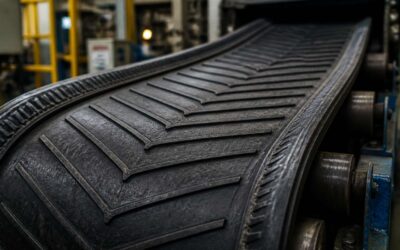
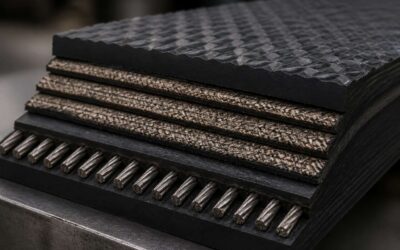
Similarly, the conveyor belt itself often integrates materials tailored for longevity and flexibility. Heavy-duty rubber and PVC belts are popular choices, providing the necessary friction and resilience for continuous operation. When combined with rollers made from robust materials, the entire conveyor system transforms into a resilient, high-performance solution tailored for specific industry demands.
Advantages of using conveyor belts with rollers – Benefits such as increased throughput, reduced friction, and ease of maintenance
Within the shadowed halls of industry, where relentless machinery hums a dark, steady hymn, the conveyor belt with rollers emerges as an unsung hero—its silent strength hidden beneath every seamless handoff. The allure of this marvel lies not only in its ability to transport, but in the profound advantages it offers. Increased throughput becomes almost instinctive, as the rollers flow beneath with a whisper of efficiency, easing heavy loads with grace and resilience.
By reducing friction and wear, a conveyor belt with rollers ensures that the journey never falters—an unending dance of endurance. Maintenance, though often overlooked, becomes a ritual of ease. The robust materials—galvanized steel, stainless steel, or polyethylene—stand guard against the harshest of environments, from the dusty mines of South Africa to the sterile corridors of pharmaceutical plants. The design’s simplicity conceals the power it wields, quietly transforming industry standards and unlocking new heights of productivity.
Applications across industries – Usage in manufacturing, logistics, packaging, and other sectors
In the intricate tapestry of industry, conveyor belts with rollers serve as the silent choreographers of movement, orchestrating the seamless flow of goods across vast industrial landscapes. From bustling manufacturing plants in South Africa to sophisticated logistics hubs, these conveyor systems are the backbone of efficiency. Their application stretches beyond simple material transport; they are vital in sectors such as packaging, mining, and distribution, where the steady rhythm of movement can determine operational success.
In manufacturing, conveyor belts with rollers facilitate the swift passage of raw materials and finished products, dramatically reducing downtime. Logistics centers rely on these systems to manage high-volume throughput effortlessly, ensuring products move swiftly from storage to shipment. The versatility of conveyor belts with rollers makes them indispensable, whether handling delicate components or rugged industrial loads. This adaptability solidifies their position at the core of industry innovation.
Design and Construction Features
Roller types and specifications – Overview of fixed, adjustable, and powered rollers, including size and load capacity
When selecting a conveyor belt with rollers, understanding the design and construction features of roller types is essential. Fixed rollers are the backbone of many conveyor systems due to their stability and durability, making them suitable for steady, high-volume operations. Adjustable rollers offer flexibility, enabling easy tuning of height and alignment, which enhances overall efficiency. Powered rollers, on the other hand, actively propel items along the conveyor, increasing throughput and reducing manual effort.
Size and load capacity are critical considerations. Typically, fixed rollers range from 50mm to over 100mm in diameter, capable of handling loads from 25kg up to several hundred kilograms per roller. For conveyor belt with rollers used in heavy-duty applications, selecting rollers with robust bearings and sturdy frames is a must to prevent downtime. Some models incorporate specialized features such as corrosion-resistant materials for harsh environments or modular designs for quick replacements.
- Diameter variations for different load weights
- Material choices like steel, aluminum, or plastic for specific industries
- Customization options for length and roller spacing to match operational needs
Choosing the right roller type and specifications ensures the conveyor belt with rollers contributes to uninterruptible, high-capacity material handling. It’s about balancing performance with maintenance ease — because downtime is costly, no matter the industry.
Belt materials and styles – Different belt options such as PVC, rubber, fabric, and their suitability for various tasks
When it comes to choosing the conveyor belt with rollers, the material of the belt is paramount. Different tasks demand different options, each with its own set of perks and quirks. PVC belts are like the reliable workhorses—durable, versatile, and resistant to most chemicals. Rubber belts, on the other hand, excel in gripping slippery loads, making them perfect for preventing those pesky skids. For lighter, more delicate items, fabric belts offer a gentle touch without sacrificing strength.
Now, if your operation is dealing with corrosive environments or exposure to moisture, consider belts made from corrosion-resistant materials. These are often crafted from specialty plastics or coated fabrics, ensuring that your conveyor system stays operational—even in South Africa’s toughest conditions. And for custom needs, some manufacturers provide tailored lengths and roller spacing, allowing your conveyor belt with rollers to fit like a bespoke suit—no unnecessary gaps or overlaps.
- Durability in harsh environments
- Optimal grip for slippery items
- Flexibility for custom configurations
The right belt material not only enhances operational efficiency but also extends the lifespan of the entire conveyor system. That’s why a well-chosen conveyor belt with rollers can turn what once was a tedious chore into a seamless dance of logistics, no matter the industry or terrain.
Frame and support structures – Design considerations for ensuring stability, alignment, and durability
In the shadowed corridors of industrial machinery, the stability and durability of a conveyor belt with rollers are the silent guardians of efficiency. Every supporting frame must be crafted with precision, as the foundation of your conveyor system underpins flawless operation. The design of support structures must account for natural wear, environmental stressors, and the relentless march of time—particularly in South Africa’s varied terrains and climate conditions.
Ensuring proper alignment isn’t merely a matter of aesthetics but a necessity for preventing operational disasters. Misaligned conveyor belts with rollers can cause costly downtime and damage, transforming what should be seamless into chaos. Structural integrity is achieved through robust materials such as galvanized steel or heavy-duty aluminum, carefully configured to withstand harsh conditions while maintaining a sleek, reliable stance.
For ultimate stability and durability, some designs incorporate adjustable support legs or reinforced frameworks. These features allow for fine-tuning and reduce sway, ensuring everything runs true, even when handling heavy loads or navigating uneven surfaces. A well-engineered conveyor belt with rollers transforms the mundane flow of goods into a dark, rhythmic pulse—yet it demands careful planning to prevent a macabre collapse beneath the load.
Drive mechanisms – Types of drive systems, including motorized rollers and belt drives
Within the intricate dance of a conveyor belt with rollers, the drive mechanism is the unseen pulse that propels progress forward. Choosing the right drive system transforms a simple conveyor into an efficient marvel of engineering. From motorized rollers that whisper power directly into each roll to belt drives that synchronize the entire system, the options are as diverse as the terrains of South Africa itself.
Motorized rollers, often called powered rollers, are a favorite for their compact design and exceptional control. These rollers eliminate the need for complex belt drives by using built-in motors, offering smoother acceleration and deceleration. This system is perfect for handling fragile or sensitive goods where gentle movement is essential.
On the other hand, belt drives remain a stalwart in applications demanding high throughput. They connect pulleys and motors that transmit power efficiently across long spans. When designed with flexibility in mind, an expertly crafted belt drive can navigate varied inclines and uneven surfaces with ease. For added reliability, some conveyor systems incorporate:
- Variable speed motors for precise control
- Emergency stop features for safety
- Adjustable tensioning mechanisms for maintenance ease
Each drive system’s selection hinges on factors like load capacity, environmental conditions, and operational rhythm. Whether driven by the silent strength of motorized rollers or the resilient rhythm of belt drives, the heart of any conveyor belt with rollers beat ensures unwavering performance amidst the relentless hustle of industry. It is this harmony of motion that keeps goods flowing seamlessly from one point to another, a testament to engineering mastery in South Africa’s vibrant landscape.
Customization options – Adjustments for length, width, tilt, and other custom features
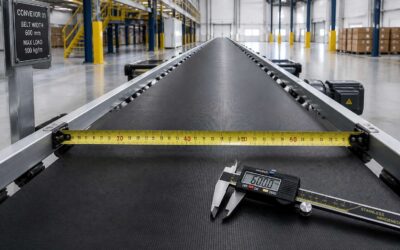
Customizing a conveyor belt with rollers isn’t a one-size-fits-all approach. Precision adjustments can make a significant difference in efficiency and safety on your shop floor. Tailoring length and width ensures the conveyor fits seamlessly into your space, reducing downtime and streamlining workflow. Adjustments for tilt or incline can be critical when navigating uneven terrains or vertical transport needs — making the difference between a smooth operation and bottlenecks in your process.
Manufacturers often incorporate modular design features to facilitate these modifications, allowing for quick changes or upgrades without extensive downtime. Depending on your needs, the conveyor belt with rollers can be fitted with diverse roller types, sizes, and materials. This flexibility ensures optimal load capacity and durability suited to your environment. For instance, heavier loads require robust, powered rollers with higher load ratings, while fragile goods benefit from gentle, motorized rollers designed for delicate handling.
Customization extends to the support frame as well — with options for adjustable height and tilt to match operational requirements. This versatility ensures your conveyor system integrates seamlessly into your workflow, enhancing throughput and reducing maintenance hassles. Whether in manufacturing, logistics, or packaging, a well-crafted conveyor belt with rollers adapts to your specific demands and terrain, locking in superior performance every step of the way.
Operational Considerations and Maintenance
Installation best practices – Guidelines for proper setup to optimize performance and safety
In the intricate dance of industrial logistics, the performance of a conveyor belt with rollers hinges on meticulous operational considerations. The setup isn’t merely about physical placement; it’s a philosophical act that ensures safety, efficiency, and longevity. A poorly aligned conveyor can morph into a labyrinth of frustration, causing delay and risking damage to the materials being transported. Proper installation is where intentional planning and precision meet—a process that demands a thorough understanding of load capacities, roller types, and drive mechanisms.
Ensuring optimal performance begins with a focus on maintenance. Routine inspections and timely adjustments breathe life into the conveyor belt with rollers, preventing wear and tear from turning into costly repairs. Regular lubrication, alignment checks, and roller replacements are vital—these simple acts sustain the flow and safeguard personnel from accidents. Best practices in installation include methods such as bolting the frame tightly, securing rollers accurately, and calibrating tension to avoid slippage or misalignment.
Ultimately, the secret to unlocking the conveyor belt with rollers’s true potential is a blend of precision and care. When setup and maintenance are prioritized, the conveyor system becomes a reliable partner in productivity—an enduring element within the complex ecosystem of industrial automation that continues to serve with unwavering endurance and safety.
Routine maintenance – Regular inspection routines, lubrication schedules, and component checks
Operational considerations are the heartbeat of a flawless conveyor belt with rollers system. Maintaining its rhythm isn’t just about routine—it’s about understanding how each component breathes under load and wear. Regular inspections reveal early signs of deterioration, preventing costly downtime and ensuring ongoing safety. Lubrication schedules, when adhered to meticulously, reduce friction and extend the life of rollers and drive mechanisms. Additionally, component checks—such as verifying roller alignment and tension—serve as preventive measures that sustain optimal performance.
To streamline maintenance, consider implementing a strategic routine:
- Visual inspections for wear, cracks, or corrosion
- Lubrication of bearings and moving parts according to manufacturer specifications
- Replacement of worn rollers before they cause misalignment or system failure
When it comes to a conveyor belt with rollers, consistency is key. A well-planned maintenance routine nurtures the system’s durability and ensures that each roller contributes seamlessly to the flow of goods. This dedication to upkeep transforms the conveyor into more than machinery; it becomes an enduring partner in the pursuit of efficiency, safety, and resilience in today’s competitive industrial landscape.
Troubleshooting common issues – Identifying and resolving problems such as misalignment, roller wear, and belt damage
Operational considerations for a conveyor belt with rollers transcend mere routine; they demand an intuitive understanding of the machinery’s silent language. When misalignment lurks beneath the surface, or roller wear begins to manifest as subtle inconsistencies, delays can cascade — disrupting the harmony of material flow. It’s here, in these often-overlooked nuances, that the real artistry of conveyor system management reveals itself. Detecting problems early is paramount—an uneven belt surface or a squealing roller whispers clues of impending failure.
Common issues such as belt damage—ripped or frayed edges—are often symptomatic of deeper misalignment or worn rollers. Troubleshooting these challenges involves a meticulous inspection process. For instance, when belts are tracking off-center, it can signify a misaligned roller or uneven tension, which, if uncorrected, exacerbates wear and diminishes throughput. By deploying an arsenal of strategies—tightening the tension, realigning rollers, or replacing worn components—maintenance personnel keep the conveyor belt with rollers operating at optimal efficiency.
Monitoring the condition of rollers—checking for smooth rotation and absence of corrosion—is critical. Worn rollers not only hinder performance but risk system downtime. To mitigate this, implementing a rationalized inspection schedule is advisable.
- Visually inspect for cracks, corrosion, or deformation
- Test the rotation of rollers during system operation
- Ensure belt tension is consistent and evenly distributed
Unearthing these hidden issues demands vigilance, yet the reward is a resilient system: one that endures the rigors of industrial demand with grace and precision. The continuous dance of a conveyor belt with rollers hinges on these micro-adjustments—each correction serving as a testament to the craftsmanship of maintenance and operational awareness.
Safety precautions – Best practices for operator safety and accident prevention
In the intricate dance of industrial automation, prioritizing operator safety is paramount to prevent costly accidents and ensure seamless operations. The conveyor belt with rollers, while a marvel of engineering, demands a vigilant eye and a structured approach. Best practices involve comprehensive safety measures that encompass proper training, clear signage, and routine checks. Ensuring operators wear appropriate personal protective equipment (PPE), such as gloves and safety glasses, significantly reduces risk during maintenance and inspection procedures.
One of the fundamental safety precautions lies in implementing a lockout/tagout system before commencing any repair work. This simple yet effective protocol halts the conveyor’s movement, protecting personnel from unforeseen start-ups. Regularly scheduled inspection routines—covering everything from roller rotation to belt tension—serve as a safeguard against sudden failures. Additionally, adhering to a strict lubrication schedule prevents excessive wear, which could otherwise lead to belt damage or system downtime. Remember: safety isn’t a one-time effort but an ongoing commitment that keeps the conveyor belt with rollers functioning safely and efficiently for years to come.
Efficiency improvements – Upgrading rollers, belts, or drive systems to enhance operational efficiency
Enhancing operational efficiency in your industrial setup often hinges on strategic upgrades to your conveyor belt with rollers. Modern advancements in rollers, belts, and drive systems can transform a mundane assembly line into a symphony of precision and speed. Investing in high-quality rollers—whether fixed, adjustable, or powered—can dramatically reduce downtime and elevate throughput. Roller upgrades require careful consideration of load capacity and material compatibility, ensuring seamless integration into your existing system.
Likewise, choosing the right belt materials—such as PVC, rubber, or fabric—can optimize performance suited for specific applications. The durability of these components directly impacts maintenance costs and operational longevity. An often-overlooked aspect is the drive mechanism, where motorized rollers or belt drives can be tailored to meet your demands. For a truly bespoke experience, consider customization options that adjust length, width, or tilt, aligning the conveyor system perfectly with your workflow.
- Upgrading rollers to higher load capacities
- Implementing advanced belt materials for wear resistance
- Optimizing drive systems for energy efficiency and reliability
Such enhancements not only boost efficiency but also extend the life cycle of your conveyor belt with rollers. Every component, from the frame to the support structures, plays a vital role in maintaining smooth, uninterrupted operation—turning a simple conveyor system into an invaluable lifetime asset for your enterprise.
Choosing the Right Conveyor Belt with Rollers
Factors to consider – Load capacity, material compatibility, and operational environment
When selecting a conveyor belt with rollers, precision is paramount—just one poorly chosen component can cause a ripple effect of operational inefficiencies. The first consideration is load capacity; it’s essential to match the rollers’ strength to the weight of the items being transported. Overlooking this aspect risks both damage and downtime. Equally vital is material compatibility—certain materials excel in specific environments, from corrosion-resistant options for humid South African workshops to abrasion-proof surfaces for rugged industrial settings.
Operational environment shapes many decisions. For instance, a conveyor belt with rollers used in dusty or oily atmospheres must incorporate corrosion-resistant materials to extend lifespan and reduce maintenance costs. To ensure smooth operation, it’s wise to assess:
- Roller size and load capacity
- Material suitability based on environmental factors
- Design features for stability and durability
By weighing these factors carefully, businesses can tailor their conveyor systems to deliver optimal performance—an investment that pays dividends in efficiency and reliability, especially across South Africa’s diverse industrial landscape. A well-chosen conveyor belt with rollers isn’t just equipment; it’s the unseen engine powering productivity.”
Cost considerations – Budgeting for initial investment and maintenance costs
When investing in a conveyor belt with rollers, understanding the labyrinth of costs involved is as important as selecting the right components. It’s not merely about the initial expenditure; maintenance expenses and potential upgrades shape the true value of your system. The allure of a budget-friendly conveyor belt with rollers can be tempting, but a short-sighted focus on price may lead to costly operational setbacks down the line.
Balancing your budget requires a discerning eye—consider the long-term financial commitment and the durability necessities of your operational environment. For instance, rugged industrial applications in South Africa demand heavier, abrasion-resistant rollers, which might incur a higher upfront cost but pay dividends through reduced maintenance and longer lifespan.
To navigate this delicate dance of spending, some companies opt for a strategic approach—
- set a realistic budget for initial investment,
- allocate funds for routine maintenance,
- and reserve capital for future upgrades that enhance efficiency.
This holistic view ensures the conveyor system remains a steadfast workhorse—maximising productivity while keeping mounting expenses at bay. Prioritising quality and strategic planning transforms your conveyor belt with rollers from mere equipment into a resilient backbone of your enterprise.
Vendor selection tips – How to evaluate and select reliable suppliers and manufacturers
Choosing the right conveyor belt with rollers vendor is akin to selecting a trusted partner who will journey with you through the labyrinth of industrial efficiency. In the vibrant markets of South Africa, where rugged terrains and diverse industries demand resilience, the reliability of your conveyor system becomes paramount.
A reputable supplier should demonstrate a wealth of experience, offering a proven track record within the local industry. Seek out vendors who provide comprehensive after-sales support, including maintenance services and readily available spare parts. It’s also vital to assess the quality of materials used—only premier-grade components ensure your conveyor belt with rollers withstands the rigors of your operational environment.
When evaluating suppliers, consider their customization capabilities. The ideal partner will tailor solutions that align perfectly with your needs—whether it’s adjusting roller load capacities or integrating specialized drive mechanisms.
For seamless integration, follow these steps:
- Verify their compliance with quality standards and certifications specific to South Africa’s industry standards.
- Ask for detailed references or case studies demonstrating successful installations similar to your project.
- Assess their ability to provide ongoing technical assistance, ensuring your conveyor belt with rollers remains at peak performance.
A keen eye on these details transforms the selection process into a strategic move—fueling your enterprise’s growth and operational resilience. Ultimately, the true measure of a reliable vendor lies not just in their product but in their willingness to invest in your long-term success.
Industry-specific recommendations – Tailoring choices for food, automotive, electronics, and other sectors
Choosing the perfect conveyor belt with rollers for your industry isn’t just a matter of picking a shiny new piece of equipment; it’s an intricate dance of tailoring solutions that fit your unique operational rhythm. In South Africa’s rugged landscape and diverse industrial sectors—from food processing to automotive assembly—the right conveyor system can be your best ally or your most frustrating obstacle.
For food industries, hygiene and ease of cleaning are king. Opt for a conveyor belt with rollers made from food-grade materials like stainless steel, which withstands both moisture and disinfectants. Meanwhile, in the automotive sector, durability and load capacity take precedence. Heavy-duty conveyor belts with rollers tailored for high load capacities keep assembly lines moving like clockwork.
- Electronics manufacturers benefit from gentle handling and static-resistant belts for delicate components.
- Logistics hubs require conveyor belts with rollers designed for rapid throughput and minimal maintenance.
Ultimately, selecting a conveyor belt with rollers means aligning features with industry-specific demands, ensuring operational efficiency doesn’t take a backseat. Finding a vendor capable of customizing belt styles, roller types, and frame support structures can make all the difference in your industrial choreography—each sector demanding its own bespoke solution for peak performance.
Future scalability – Planning for potential expansion or increased throughput needs
Expansion is a crucial consideration when investing in a conveyor belt with rollers. As industries grow and throughput demands increase, so must the flexibility of your conveyor systems. Planning for future scalability ensures your operation isn’t hamstrung by outdated infrastructure. A well-designed conveyor belt with rollers can be adapted—adding sections, upgrading rollers, or expanding width—to meet evolving needs. This foresight can save substantial costs and downtime later on.
In South Africa’s dynamic industrial environment, choosing a conveyor system capable of scaling seamlessly is vital. Whether increasing production capacity or accommodating new product lines, flexible conveyor belt solutions integrate easily with existing layouts. Look for vendors that provide modular components, which can be reconfigured without extensive upheaval. Remember, a conveyor belt with rollers that can handle increased load capacities or adapt to different materials will future-proof your operation.
For those eyeing long-term growth, consider a conveyor belt with rollers that allows for customization—such as adjustable roller heights or variable speed controls. This adaptability supports operational expansion and helps mitigate the need for costly replacements down the line. In today’s fast-paced markets, planning for white space in your conveyor setup translates into operational resilience. Sometimes, a small upfront investment in a scalable system makes all the difference in maintaining a competitive edge.
0 Comments