
Understanding Conveyor Belts with Cleats
Types of Cleats Used on Conveyor Belts
When it comes to tackling tricky terrain on a conveyor belt with cleats, understanding the various cleat types is essential. These small but mighty additions turn a flat surface into a firm grip that can conquer incline and decline with unapologetic confidence. Cleats are not one-size-fits-all; they come in a fascinating array of shapes and functions designed to meet specific industrial challenges. Whether you’re moving bulk materials up a steep hill or shuttling fragile items over uneven surfaces, the right type of cleats can make or break operational efficiency.
Some of the most common types of cleats used on conveyor belts include:
- Chevron cleats, known for their V-shaped design that provides excellent traction on steep inclines and reduces material slippage.
- Flat-topped cleats, which are perfect for transporting small or lightweight items without damaging them.
- Ribbed cleats, designed to channel materials efficiently, preventing clogging and spillage during transfer.
Choosing the correct conveyor belt with cleats hinges on understanding these options, as each type offers unique advantages tailored to specific needs — a true testament to how clever engineering transforms basic conveyors into powerhouse materials movers across South Africa’s industrious landscape.
Design Features and Materials
In the realm of industrial innovation, the design features and materials of a conveyor belt with cleats are the silent architects of efficiency. These components are not mere adornments; they are the vital elements that determine how effectively the conveyor system interacts with its environment. When selecting a conveyor belt with cleats, understanding the intricate dance between design and material can unlock extraordinary capabilities—transforming a simple machine into a robust conveyor powerhouse.
Cleats are crafted with a variety of shapes and surfaces to suit specific tasks. For instance, the cleat’s height and pitch influence its ability to grip steep inclines, while the material composition affects durability and resistance to wear and tear. The perfect blend of design features and materials ensures that the conveyor belt with cleats can withstand the harsh realities of industrial settings, whether hauling through dusty mines or transporting fragile goods across uneven terrains in South Africa’s bustling ports.
Incorporating advanced materials such as rubber, polyurethane, or PVC enhances the cleats’ resilience. These materials provide excellent grip and flexibility, critical for navigating complex conveyor routes. Conversely, cleat design features—such as ribbed, chevron, or flat-topped configurations—are chosen based on the kind of material being transported and the environmental demands. For example, ribbed cleats channel materials efficiently, reducing clogging, while chevron cleats offer superior traction on steeper inclines.
How Conveyor Belts with Cleats Work
Within the shadowed corridors of industry, where machinery groans beneath the weight of relentless labor, the conveyor belt with cleats emerges as a silent guardian of efficiency. These mechanical beasts are more than simple transports—they are the dark chariots guiding material through treacherous terrains and steep inclines, defying gravity with uncanny resilience.
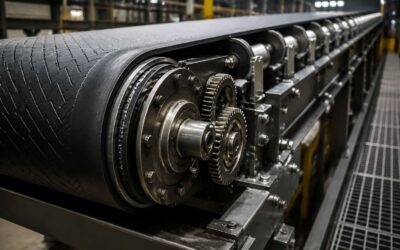
Understanding how a conveyor belt with cleats functions is akin to deciphering an ancient runic script—each component plays a crucial role in this intricate dance. As the belt moves relentlessly forward, the cleats bite into the surface, gripping materials with a firm embrace. This ensures even the most inclined or uneven surfaces do not succumb to gravity’s pull. The cleats’ shape and placement are carefully orchestrated to prevent slippage and ensure seamless flow. In some cases, the cleats act as miniature barricades, guiding materials along specific paths, while in others, they serve as gripping claws on steep inclines.
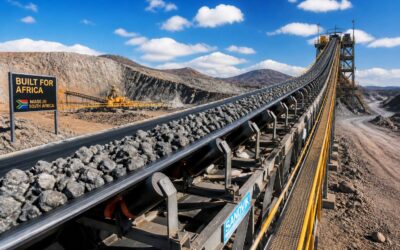
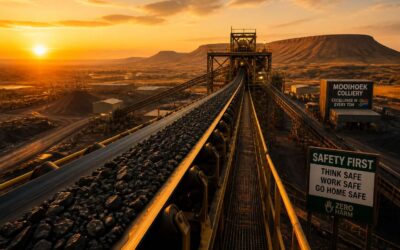
In the depths of industrial South Africa, where rugged landscapes and complex logistical challenges test engineering limits, the conveyor belt with cleats becomes a vital tool. Its precise operation—whether channeling coal in mines or transporting fragile components across uneven terrain—relies on a harmonious blend of design and material. Through this synergy, the conveyor system transforms from a mere apparatus into a relentless force—dark, powerful, and unfaltering. The soul of its operation is rooted in how effectively it can manipulate gravity itself, an ode to industrial mastery in the shadows of progress.
Applications of Conveyor Belts with Cleats
Industrial and Manufacturing Sectors
In the relentless march of progress, industries depend on precision-engineered conveyor systems to keep the gears turning smoothly. Among these, the conveyor belt with cleats stands as a silent yet dominant force in facilitating complex manufacturing processes. This innovation is not just about moving items from point A to B; it’s about overcoming gravity and challenging spatial constraints with strategic design that ensures items stay mounted firmly on their path. In South Africa, sectors like mining and agriculture lean heavily on these systems for their reliability and efficiency.
Applications of conveyor belts with cleats extend beyond mere transportation. They are indispensable in environments where incline movement is essential, such as in the transport of bulk materials to higher levels or across uneven terrains. For sectors handling delicate or irregularly shaped products, the cleats create a gripping surface that prevents slippage and damage. In essence, a conveyor belt with cleats becomes an extension of human intention—an adaptive tool that transforms the mundane act of movement into a reliable, almost instinctive process.
Agricultural Uses
In South Africa’s vibrant agricultural landscape, efficient handling of produce and raw materials is paramount. Conveyor belts with cleats have become an invaluable asset, transforming manual labor into streamlined, automated processes. These specialized conveyor systems excel in elevating harvests like sugarcane, maize, and other bulk crops, ensuring they reach processing points with minimal damage and maximum speed. The cleats provide crucial grip, preventing produce from slipping during steep climbs or uneven terrains, which are common in vast farms and processing facilities.
Particularly in hilly regions, the conveyor belt with cleats offers a reliable solution for transporting crops up inclines. It significantly reduces the physical strain on workers and increases overall productivity. Furthermore, its versatility extends to handling irregularly shaped products or fragile items, safeguarding them against unnecessary bruising. From feeding silos to loading trucks, these conveyor systems serve as silent workhorses, seamlessly integrating into the rhythm of agricultural operations.
In many cases, the true power of the conveyor belt with cleats lies in its adaptability. Farmers and processors prioritize durability and resistance to the challenging South African climate, selecting cleat patterns and materials that withstand harsh conditions. This resilience ensures the long-term viability of agricultural conveyor systems, ultimately fostering a more sustainable and productive sector. By embracing this technology, South African agriculture strides confidently toward modernity, integrating innovation with tradition for a brighter future.
Specialized Use Cases
Everyday workflows hinge on the silent efficiency of conveyor belts with cleats, especially in specialized industries where precision and safety are non-negotiable. In sectors such as mining, waste management, and food processing, these conveyor systems are not mere transport mechanisms—they are vital lifelines that redefine operational boundaries. The adaptability of a conveyor belt with cleats makes it indispensable in environments demanding rigorous grip and steep incline navigation.
For example, in waste management plants, conveyor belts with cleats ensure the consistent movement of refuse over challenging inclines, reducing spillage and manual handling. Similarly, in the food industry, delicate yet firm conveyor systems safeguard fragile products like baked goods or produce without compromising speed. The ability to customize cleat patterns allows for handling specific needs, making the conveyor belt with cleats a tailored solution for diverse operational challenges.
- Handling irregularly shaped items such as fruit or machinery parts
- Transporting bulk materials over inclined planes without slippage or product loss
- Enabling steep incline conveyance that traditional flat belts cannot achieve
In essence, the conveyor belt with cleats embodies a philosophical paradox—combining resilience with precision. It transforms laborious manual labor into a ballet of automation, embodying human ingenuity’s relentless pursuit of progress. Its applications extend beyond mere conveyor functions; it becomes a testament to innovation’s role in shaping sustainable industrial futures. Each cleat, meticulously engineered, whispers the silent promise of productivity, safety, and durability amid South Africa’s diverse and demanding industries.
Benefits of Using Conveyor Belts with Cleats
Enhanced Product Conveyance
In the dance of industrial efficiency, the conveyor belt with cleats takes center stage — a marvel of engineering that transforms ordinary transport into a symphony of precision and purpose. Imagine a universe where products glide seamlessly, defying gravity and resisting slippage, thanks to the clever design of cleats that grip and guide. This innovation is not just about movement; it’s about mastery over complex conveyance challenges, especially on inclined planes and steep gradients.
By incorporating cleats, the conveyor belt becomes more than a simple carrier — it becomes an orchestrator of enhanced product conveyance. The cleats act as silent sentinels, ensuring items are securely held in place while traveling over uneven terrain or across dizzying inclines. This elevates productivity and minimizes product loss, making it indispensable in sectors like mining, construction, and bulk material handling.
Embracing the conveyor belt with cleats unlocks a world where efficiency meets ingenuity, turning arduous tasks into graceful movements. For industries demanding unwavering reliability and precision, this technology offers an elegant, yet fierce, solution that continues to redefine the future of material transport in South Africa and beyond — all woven together by the silent strength of cleats ensuring nothing slips through the cracks.
Customization and Versatility
In the bustling landscape of South Africa’s industries, the adaptability of a conveyor belt with cleats makes all the difference. These systems are not one-size-fits-all; instead, they offer remarkable **customization options** that allow industries to tailor conveyance solutions to their unique needs. From varying cleat heights to specialized layouts, the potential for versatility is immense, ensuring the belt seamlessly integrates into diverse operational environments.
What truly sets conveyor belts with cleats apart is their capacity for adaptation. Whether transporting raw materials over rugged terrain or managing delicate goods up steep inclines, manufacturers can adjust features to optimize performance. This granular level of customization enhances efficiency, reduces downtime, and ultimately saves costs. For industries involved in agriculture, mining, or manufacturing, this means a rugged, reliable tool that adapts to challenges rather than forcing a compromise.
Moreover, the **versatility** of a conveyor belt with cleats extends beyond simple transport. The ability to modify cleat configurations allows it to handle a wide array of materials—bulky, viscous, or fragile—across varying angles and surfaces. This flexibility transforms what was once a cumbersome process into a smooth, almost poetic flow of productivity and resilience. In such a dynamic environment, a conveyor belt with cleats becomes more than just equipment; it becomes a vital partner in progress.
Cost and Maintenance Factors
Investing in a conveyor belt with cleats offers significant cost savings in the long run. These belts are designed for durability and reliability, which means fewer repairs and replacements. When properly maintained, they ensure smooth operation and reduce downtime, translating into higher productivity.
Maintenance factors are straightforward but critical. Regular inspections, cleaning, and adjustments help prolong the lifespan of the conveyor belt with cleats. Using high-quality materials for cleats and belts minimizes wear and tear, especially in demanding environments. Additionally, upgrading to anti-static or fire-retardant varieties can enhance safety and compliance.
For optimal performance, consider the following maintenance checklist:
- Routine inspections for signs of wear or damage
- Proper tension adjustments to prevent slippage
- Cleaning to remove debris that causes abrasion
- Timely replacement of worn components
This proactive approach minimizes operational disruptions and keeps the conveyor system running smoothly.
Choosing the Right Conveyor Belt with Cleats
Factors to Consider
Choosing the right conveyor belt with cleats is akin to selecting a trusty steed for a perilous journey—success hinges on the perfect fit. Precise consideration of load weight, material compatibility, and the incline degree ensures seamless transit across varied terrains. A conveyor belt with cleats must boast durability and resilience, particularly when navigating rugged industrial landscapes or agricultural fields where abrasiveness and moisture can threaten performance.
Factors such as the cleat height and spacing are not mere details—they are the very backbone of efficient conveyance. For steep inclines, higher cleats with optimal spacing provide the grip necessary to prevent slippage. When selecting your conveyor belt with cleats, think about the environment, throughput requirements, and maintenance ease. Remember, a well-chosen conveyor belt with cleats transforms the mundane task of transportation into a symphony of precision and reliability.
Custom Versus Standard Options
Choosing the right conveyor belt with cleats often demands a delicate balance between necessity and nuance. While standard options might suffice for straightforward applications, the lure of customization beckons those seeking precision tailored to unique environments. Custom conveyor belts with cleats allow for specific cleat heights, spacing, and materials—factors vital in high-demand sectors where standard solutions risk underperforming or succumbing to premature wear.
In particular, industries requiring specialized incline angles or challenging terrains benefit immensely from bespoke configurations. A tailor-made conveyor belt with cleats seamlessly integrates into complex workflows, ensuring optimal grip and minimal slippage. When considering a customized solution, it’s essential to work closely with manufacturers who understand your specific throughput requirements, materials, and environmental factors. Ultimately, this bespoke approach transforms basic conveyance into an engineering masterpiece—where every element is crafted for peak performance.
Maintaining and Extending Conveyor Belt Lifespan
Optimal performance and longevity of your conveyor belt with cleats hinge on meticulous maintenance and strategic considerations. In busy South African industries, where throughput is king, neglecting routine upkeep can spell costly downtime and premature wear. Consistent inspection of the cleats, belt tension, and alignment ensures smooth operation, preventing unnecessary strain that accelerates damage.
Cleaning is just as crucial; debris buildup can compromise the cleats’ grip and cause slippage, disrupting the entire workflow. Implementing a regular maintenance schedule that includes lubrication, wear assessment, and alignment checks arms your team with the tools to extend the lifespan of your conveyor belt with cleats. Additionally, monitoring operational loads prevents overburdening the system, which is vital in high-demand environments.
To further enhance durability, consider the following:
- Using high-quality, abrasion-resistant materials for the cleats
- Adjusting cleat height and spacing to suit specific products and inclines
- Integrating proper tensioning systems to minimize unnecessary strain
- Partnering with manufacturers who understand local environmental challenges
Such strategic measures promote efficiency and robustness, ensuring your conveyor system remains a reliable backbone of your operations for years to come.
0 Comments