
Understanding Conveyor Belts and Their Applications
Types of Conveyor Belts – Different types of conveyor belts and their Uses
Conveyor belts weave a silent symphony within industries, transforming the mundane into a dance of efficiency. Their significance in South Africa’s bustling mining, manufacturing, and agricultural sectors cannot be overstated. As you embark on your conveyor belt diy journey, understanding the essence of these mechanical marvels becomes paramount. Conveyor belts are essentially continuous loops of material that transport goods, raw materials, or products with seamless grace. Their applications range from simple warehouse stacking to intricate assembly lines, making them indispensable in modern industrial landscapes.
When exploring the different types of conveyor belts, it’s vital to grasp their specialized functions. Each belt type is crafted to serve unique environments and material handling needs. For instance, flat belts are perfect for transporting lightweight items, while cleated belts excel in moving products on inclines or declines. Knowing which conveyor belt type suits your project can make all the difference in creating an effective diy setup. Here are some of the most common types of conveyor belts used globally and in South Africa:
- Fabric Belts – lightweight, flexible, suitable for light to moderate loads
- Modular Belts – customizable, durable, ideal for food processing and packaging
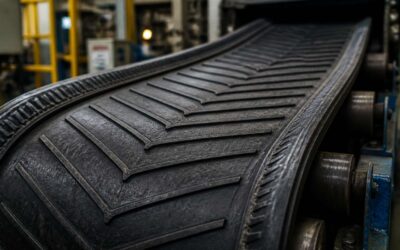
- Rubber Belts – robust, used in heavy-duty applications like mining or waste management
- PVC Belts – economical, resistant to wear, popular in general material handling
Common Materials Used – Materials commonly used for DIY conveyor belt projects
Understanding conveyor belts and their applications in a DIY context reveals an intriguing layer of mechanical artistry. These seemingly simple loops of material are, in fact, vital arteries that breathe life into industries—whether transporting minerals across rugged South African mining sites or streamlining packaging lines in bustling factories. When approaching a conveyor belt diy project, recognizing the importance of selecting materials that match your specific needs is paramount. The core principle remains the same: create a seamless, reliable transport system that enhances efficiency and safety.
Common materials used for DIY conveyor belt projects include durable fabrics such as polyester and nylon, which strike a delicate balance between flexibility and strength. Rubber offers robustness for more demanding applications, especially where heavy loads or abrasive environments are involved. PVC belts provide an economical alternative, resistant to wear and chemical exposure, making them ideal for general material handling. In some cases, designing a conveyor belt diy might incorporate modular plastic components, allowing for easy customization and maintenance. With these materials in mind, understanding their properties ensures your homemade conveyor aligns perfectly with its intended function—whether for light, moderate, or heavy-duty use.
Applications in Various Industries – How conveyor belts are used in manufacturing, packaging, and other sectors
Conveyor belts are the silent workhorses behind the relentless rhythm of industry. In South Africa’s rugged mining sectors, they shuttle minerals from depths to the surface, transforming raw ore into the heartbeat of progress. Similarly, in bustling packaging facilities, conveyor belts streamline the flow—every box, every product moving seamlessly across assembly lines. Their versatility extends beyond manufacturing; they are pivotal in agricultural processing, waste management, and even local craft projects. When embarking on a conveyor belt diy journey, understanding the vital role these systems play across diverse industries invigorates the creative process. Each belt becomes not just a tool but a conduit of efficiency, woven with purpose and precision.
In the realm of DIY ingenuity, recognizing how conveyor belts serve various sectors reveals the profound interconnectedness of design and function. Whether crafting a lightweight conveyor for home storage or a heavy-duty version for industrial applications, the context demands specific materials and configurations. From transporting valuable minerals in the dirt-filled mines of South Africa to organizing goods in a small-scale workshop, the applications are as varied as the environments they serve. Implementing a conveyor belt diy project must account for these differences—right down to choosing the right belt material, length, and tension—ensuring the final product rises to meet its essential purpose with resilience and finesse. After all, a well-designed conveyor system is more than a simple loop; it is a tale of mechanical artistry breathing life into aspirations.
Basic Components of a Conveyor Belt System – Key parts such as rollers, motors, and frames
Understanding conveyor belts and their applications is like unlocking the secret recipe behind efficiency in countless industries. These humble yet mighty machines are composed of several essential components that work in harmony to keep the conveyor running smoothly—think of them as the cast of a well-rehearsed play. Central to this ensemble are rollers, which provide the spinal support for the belt, and motors that inject the system with much-needed power to keep everything moving. Without a sturdy frame, however, even the best parts would be nothing but a pile of scrap. For anyone diving into conveyor belt diy projects, knowing these vital parts is the key to building something resilient and fit for purpose.
To get started, here’s a quick rundown:
- Rollers—These are the workhorses that guide and support the belt, preventing sagging and misalignment.
- Motors—The heartbeat of the system, providing the necessary torque to propel objects along the conveyor.
- Frames— Often made of steel or sturdy plastics, frames hold everything in place and can be customized to fit your specific needs.
Understanding these basic components not only simplifies your conveyor belt diy project but also ensures you can troubleshoot like a pro when things go awry. After all, a conveyor system is only as good as its parts—and their seamless cooperation turns a simple loop into a marvel of mechanical artistry. Whether upgrading an existing setup or crafting something from scratch, attention to these details guarantees that your conveyor belt will be both reliable and ready to meet the demands of any environment—be it a bustling South African mine or a cozy home workshop.
Planning and Designing Your DIY Conveyor Belt
Assessing Your Needs – Determining size, load capacity, and speed requirements
Crafting a conveyor belt diy is not merely about wielding tools and pieces of rubber; it’s an intricate dance of assessment and precision. With South Africa’s burgeoning small-scale manufacturing sector, understanding your specific needs becomes paramount. After all, a conveyor system that’s too small will frustrate workflow, while an over-ambitious setup risks succumbing under the weight of undetermined loads.
When planning your DIY project, focus on key parameters. Size, load capacity, and speed requirements are the pillars guiding your design. A good starting point involves envisioning your typical load—will it be lightweight packaging or heavier industrial parts? This will influence the selection of materials and motor strength for your conveyor belt diy.
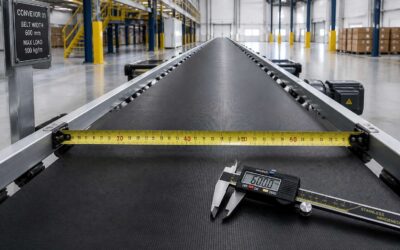
Without a clear blueprint, even the sturdiest conveyor belt diy can turn into a logistical nightmare. Consider sketching out a detailed plan that accounts for the flow of materials, ensuring the system aligns with your operational throughput. Remember, measuring twice and cutting once is a wisdom that resonates just as much in conveyor design as it does in tailoring a well-fitted suit!
Gathering Necessary Tools and Materials – Tools and materials needed for DIY construction
Embarking on a conveyor belt diy project in South Africa is like assembling a jigsaw puzzle—intricate, satisfying, and occasionally puzzling. Before wielding your tools, a well-rounded plan is essential. Gathering the right tools and materials may seem straightforward, but a dash of preparation can make or break your DIY venture. No one wants a conveyor system that stalls faster than a Durban traffic jam!
To ensure smooth sailing, assemble a toolkit that includes basic hand tools such as screwdrivers, wrenches, and pliers. Additionally, you’ll need durable materials like steel or sturdy PVC for the frame, rubber conveyor belts, and reliable motors. For the belt itself, looking into specific industrial-grade options will save headaches later on. An ordered list of essential steps:
- Measure your available space meticulously—remember, measure twice, cut once.
- Select suitable motor strength based on your load capacity and speed requirements.
- Gather components like rollers, pulleys, and a frame that withstands South Africa’s climate conditions.
Once your toolkit and materials are in place, envision your conveyor belt diy as a puzzle coming together—every piece has a purpose. With a clear plan, your project transitions from a DIY dream to operational efficiency, ready to power your small-scale manufacturing or packaging setup with confidence and a touch of ingenuity.
Designing a Conveyor Belt Layout – Creating blueprints or sketches for your project
In the realm of conveyor belt diy projects, envisioning the layout is akin to sketching a tapestry that weaves practicality with ingenuity. Every curve, bend, and straightaway is a whisper of motion waiting to come alive. Before delving into assembly, it’s vital to craft blueprints or simple sketches that map out the design — a visual melody guiding each component to its destined place. This planning stage allows for a symphony of precision, ensuring measurements are harmonious and materials align perfectly with your vision.
Picture this: a carefully crafted design doesn’t just resemble an ordinary conveyor belt; it becomes an extension of your operational pulse. Start by assessing your space—measure meticulously, for a conveyor system that fits snugly against your workspace is the secret to seamless function. Incorporate specific dimensions, load capacities, and desired speeds into your sketches, transforming vague ideas into tangible schematics. With this foundation, forging a conveyor belt diy project transforms from mere imagination to an orchestrated masterpiece of engineering, ready to elevate your business endeavors with elegance and efficiency.
Safety Considerations – Ensuring safe design and operation practices
Embarking on a conveyor belt diy journey is more than just assembling parts; it’s about sculpting a functional symphony that marries innovation with safety. As you breathe life into your creation, the importance of safety considerations cannot be overstated. These efforts ensure your conveyor system performs flawlessly while protecting everyone involved. Imagine a mechanism that not only moves with purpose but also safeguards against mishaps—this harmony is the cornerstone of a successful diy project.
One essential aspect is to incorporate safety stops and emergency shut-offs at strategic points along the belt. Additionally, ensuring that all moving parts are shielded minimizes the risk of injury. Regular maintenance checks, like inspecting rollers and belts for wear, keep your system reliable and hazard-free. Remember, a well-designed conveyor belt diy isn’t just about engineering marvel—it’s a testament to meticulous safety planning that keeps the workflow smooth and personnel safe at every turn.
Step-by-Step Guide to Building a Conveyor Belt
Preparing the Frame – Constructing the frame and support structures
When embarking on a conveyor belt diy project, the foundation of a successful build lies in crafting a sturdy and reliable frame. This frame is the backbone that determines the entire system’s durability and performance. Carefully selecting materials—such as steel, aluminum, or heavy-duty wood—ensures your conveyor belt can handle the load without flexing or wobbling over time.
Start by measuring your desired length and width, keeping in mind the type of tasks your conveyor will perform. A well-constructed support structure should provide stability while allowing easy access for maintenance. Often overlooked, support beams should be aligned precisely, and their joints reinforced with braces or welding to withstand operational stresses. Remember, a solid frame isn’t just about strength but also about safety, as it bears the weight and transfers motion seamlessly during conveyor belt diy assembly.
For added precision, some builders prefer to use an ordered list to specify the critical steps:
- Cut the support beams to the predetermined length.
- Attach vertical legs or supports using appropriate fasteners or welding.
- Secure horizontal crossbars to connect the supports, forming a rigid perimeter.
- Ensure all joints are reinforced, and check for levelness to guarantee smooth operation.
By meticulously preparing the frame, you set a solid platform for installing rollers, motors, and conveyor belts, harmonizing the entire diy system with both function and safety in mind. The sincerity of your efforts will resonate in every run of your custom-built conveyor—a testament to the craftsmanship behind every conveyor belt diy project.
Installing the Belt – Laying and attaching the conveyor belt material
Building a conveyor belt diy is a rewarding challenge that requires precision and patience. Once your frame is sturdy, the next critical step is laying and attaching the conveyor belt material correctly. Achieving a smooth, reliable operation hinges on how well you install the belt itself. Start by positioning the belt evenly on the rollers, ensuring it aligns perfectly with the frame. It’s vital that the belt is tight enough to prevent slippage but not so tight that it strains the motor or rollers.
Next, secure the belt in place with clamps or fasteners, depending on your design. Many DIY enthusiasts prefer to use an ordered list to guarantee each step is followed methodically:
- Align the belt edges with the rollers, checking for uniform tension.
- Sew or weld joining points if your conveyor belt is continuous; otherwise, attach the belt to a loop or chain as needed.
- Adjust the tension by modifying the roller position or belt tensioners, ensuring smooth movement without slack or tight spots.
Finally, test the setup by running the conveyor at low speed. Watch for misalignments or loosening sections. Attaching the belt properly is crucial—even the slightest misstep can cause operational failure in a conveyor belt diy project. With careful installation, your conveyor will perform seamlessly and last for years to come!
Setting Up the Drive System – Installing motors, pulleys, and rollers
Launching a conveyor belt diy project is akin to giving your manufacturing setup a turbo boost—minus the exorbitant price tag. Now that you’ve secured the frame and laid the groundwork, it’s time to set up the drive system, the unsung hero behind smooth operations. This phase involves installing the motors, pulleys, and rollers—think of them as the muscles and joints that keep your conveyor running like a well-oiled machine.
The magic here lies in precision. Start by positioning the pulleys and rollers at just the right angles, ensuring they align perfectly with the belt for minimal tension issues. To make things easier, many builders follow an ordered list of steps:
- Mount the motor securely on the frame, making sure it’s accessible for maintenance and adjustments.
- Attach the pulleys to both the motor shaft and the frame, ensuring they are tightly fixed.
- Connect the rollers, which will serve as the support system for the belt, in a straight line to keep everything running smoothly.
When setting up the drive system, it’s crucial to focus on belt tension. Too loose, and you risk slippage; too tight, and you could burn out the motor. Once everything is in place, test the system at low speed to monitor how the components interact. Watch for any misalignments or unusual noises—think of these as the conveyor belt diy’s way of squeaking its approval or protest! Proper installation of motors, pulleys, and rollers keeps your DIY conveyor in motion, ensuring durability and peak performance for years to come.
Wiring and Electronics – Connecting electrical components safely
Connecting your conveyor belt diy project’s electrical components may seem like navigating a maze without a map, but with a methodical approach, the process becomes surprisingly straightforward. Safety is paramount; always ensure power sources are disconnected before working on wiring to avoid an unintentional dance with danger. Proper grounding of components is essential in preventing electrical mishaps and ensuring your conveyor operates seamlessly.
Start by identifying the correct wiring diagrams that match your motor and control system. Use reputable connectors and insulated wires to minimize risks and enhance durability. When connecting the motor to your power supply, double-check the voltage and current ratings to prevent overheating or motor failure. For added precision, consider installing a circuit breaker or fuse—a little insurance that keeps everything running smoothly when unforeseen electrical hiccups occur.
To streamline the process and ensure consistency, consider following this
- carefully laid out wiring plan
or creating a diagram that maps each component’s connection. Secure all wiring neatly along the frame and use cable ties to prevent movement and wear over time. Lighting the way with a reliable wiring schematic not only simplifies troubleshooting but also contributes to the longevity of your conveyor belt diy masterpiece.
Testing and Adjustments – Verifying performance and making necessary adjustments
Verifying the performance of your conveyor belt diy setup isn’t a process to be rushed. It’s an exercise in patience and attention to detail, where each adjustment reveals a little more about the delicate balance of mechanics and engineering. Once the belt is installed, turn on the system at a low speed, observing how the belt moves, if it tracks straight, and whether any slippage occurs. This initial test can expose alignment issues or irregularities that might not be apparent during assembly.
Next, inspect the belt’s tension—too tight, and it strains the motor; too loose, and it slips or bunches. Small adjustments here can make a significant difference in operational longevity and efficiency. For a smooth running conveyor belt diy, consider monitoring how the belt interacts with rollers and pulleys, ensuring they rotate freely without wobbling. If necessary, make fine-tuned adjustments to the position of rollers or the tension of the belt until optimal operation is achieved.
To streamline this process, you might find it helpful to follow a structured testing sequence:
- Check belt alignment and tracking.
- Adjust tension for smooth movement without undue strain.
- Test at various speeds to observe performance under different loads.
Continual observation is key. With each round of testing, you uncover new insights that bring your custom conveyor belt diy closer to perfection, balancing craftsmanship with a touch of patience and a keen eye for detail. This process is not merely about functionality but about understanding the nuanced interplay that keeps your project alive and running reliably in the hustle of everyday needs in South Africa’s dynamic industries.
Maintenance and Troubleshooting for DIY Conveyor Belts
Routine Maintenance Tips – Cleaning, lubrication, and inspection schedules
Routine maintenance is the lifeblood of any conveyor belt diy project, ensuring longevity and optimal performance. When neglected, even the sturdiest belts can falter, leading to costly downtimes. Regular cleaning, lubrication, and inspection form the cornerstone of this upkeep, transforming a simple DIY venture into a resilient conveyor system that can withstand South Africa’s diverse industrial landscape.
Cleaning the belt surface and components removes debris and buildup that can cause slippage or uneven wear. Lubrication of rollers and pulleys minimizes friction and prevents premature failure, while frequent inspections help identify early signs of wear or misalignment. A well-planned maintenance schedule fosters smooth operation, reducing the need for troubleshooting and costly repairs down the line. Remember, a healthy conveyor belt diy setup isn’t just about initial assembly—continuous care keeps your system performing like new, no matter the demands of your specific industry.
Common Issues and Fixes – Troubleshooting belt slippage, misalignment, and motor problems
Maintaining a conveyor belt diy system is not merely about routine tasks; it’s a delicate dance with durability and precision. When the rhythm falters—be it due to belt slippage, misalignment, or motor hiccups—the entire performance can unravel. Troubleshooting these common issues requires patience, keen observation, and an understanding of your conveyor’s heartbeat. Often, belt slippage is caused by improper tension or debris accumulation, which can be remedied by adjusting the tensioners or giving the belt a thorough clean. Misalignment, on the other hand, can lead to uneven wear or even derailment, but a simple realignment of pulleys and rollers can restore harmony in your conveyor belt diy project.
Motor problems—uniquely temperamental—may manifest as irregular speed or complete shutdowns. Inspecting electrical connections, ensuring proper lubrication of moving parts, and confirming the functionality of the drive system can illuminate the root cause. For a smoother troubleshooting process, assemble a basic step-by-step checklist:
- Check belt tension and adjust if necessary.
- Examine pulleys and rollers for misalignment or debris.
- Inspect electrical wiring and motor connections.
- Verify the motor’s operational status and lubrication levels.
Remember, an ounce of prevention—such as regular inspections and timely adjustments—would prolong the life of your conveyor belt diy system. When these issues arise unexpectedly, troubleshooting swiftly restores the conveyor’s rhythm, ensuring productivity doesn’t come to an abrupt halt in South Africa’s bustling industries.
Upgrades and Enhancements – Adding sensors, safety features, or automation elements
Enhancing your conveyor belt DIY system with sensors, safety features, or automation elements unlocks a new realm of efficiency and safety. Incorporating these upgrades transforms a basic conveyor into a smart, responsive machine capable of real-time adjustments. Sensors can detect belt slippage, misalignment, or overloads, alerting operators before issues escalate—saving both time and money on repairs.
Troubleshooting and maintaining these added components often demand a keen eye for detail and an understanding of electronic integration. Regular inspection of sensors and wiring ensures seamless operation and longevity. When installing automation, it is crucial to test the entire system thoroughly, identifying potential weak spots before a critical failure occurs.
In your conveyor belt diy project, consider adding safety features like emergency stop buttons or guard rails—protection that could safeguard your team while ensuring minimal downtime. These enhancements make your conveyor not just a tool but a dependable partner in your workflow adventure!
Extending Conveyor Belt Lifespan – Best practices for durability and longevity
In the shadowed corridors of craftsmanship, even the most steadfast conveyor belt diy system must beware the relentless march of wear and tear. Regular maintenance is not merely an act of preservation; it’s a ritual that uncovers hidden frailties before they become haunting failures. A keen eye for detail, combined with vigilant inspection of belts, rollers, and electronic wiring, sustains the longevity of your creation in the murky depths of industrial ingenuity.
Cleaning conveyor components periodically is essential—dirt, dust, and debris can coalesce into silent saboteurs. Lubrication of moving parts such as rollers and pulleys ensures smooth operation, reducing friction that could otherwise spell doom. Keep a meticulous schedule for inspections—skipping this step is like inviting darkness to creep into your machinery. When troubleshooting conveyor belt diy projects, focus on issues like belt misalignment, slippage, or motor irregularities, for these often harbor the roots of system decline.
- First, verify the tension of the belt—too loose or too tight can accelerate unwelcome wear.
- Next, examine electronic connections; loose wiring may cause intermittent failures or safety hazards.
- Finally, replace worn-out rollers or damaged belts before they cause catastrophic breakdowns.
Implementing these practices fortifies your conveyor system against the relentless twilight of neglect, ensuring your belt remains a loyal servant in your ongoing labor of creation—not a restless specter of dysfunction.

0 Comments