
Core Functions of Conveyor Pulley Assemblies
Supporting Load and Belt Tension
In South Africa’s mining sector, a single stalled conveyor belt pulley can cost a mine R150,000 per hour in lost production. That pressure makes the core functions of the assembly absolutely critical.
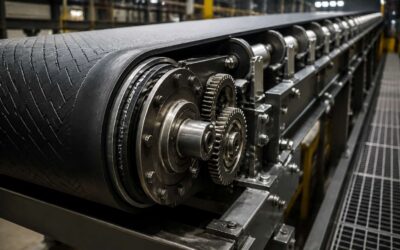
A conveyor belt pulley must balance load support with dynamic tension. The head pulley drives the belt forward, while the tail pulley returns it. Snub pulleys increase the wrap angle against the drive. Take-up pulleys manage slack and stretch, keeping the system taut.
Consider what happens under heavy mineral loads:
- The pulley shell absorbs radial forces from belt tension.
- The shaft transfers torque from the drive to the drum.
- Bearings maintain rotational alignment.
Loose tension causes belt slip. Excessive tension strains the pulley bearings. Precise engineering prevents both. This is the quiet work that keeps production moving.
Driving and Redirecting Belt Motion
In South African mining, a drive pulley rotates hundreds of times each minute. That motion is the entire point of the conveyor belt pulley. Torque leaves the motor, travels through the shaft, and meets the drum surface. Friction takes over there. The belt grips the pulley and moves forward. Every mineral ton loaded onto the belt depends on this energy transfer. Lose the grip and the line stalls, regardless of belt strength.
Redirection is equally demanding. A belt running straight would never return to its starting point. Bend pulleys and deflector drums force the belt into precise angles, guiding it around structures and back to the tail. The conveyor belt pulley must maintain these angles exactly. A few degrees of error cause tracking problems.
Core duties of the assembly:
- Convert drive torque into linear belt motion
- Force the belt through directional changes
- Preserve belt path geometry under dynamic load
Each function works in sequence. A failure in any one halts material flow.
Ensuring Belt Tracking and Alignment
Tracking is the quiet obsession of every conveyor belt pulley assembly. The belt constantly tries to wander, pulled by uneven loading or structural settling. The pulley’s crown and surface profile counter that drift, nudging the belt back to centre with each rotation. Without this correction, edges fray, spillage accumulates, and structures suffer.
Alignment depends on precise geometry. A conveyor belt pulley must sit square to the belt path. When the tail pulley or a bend pulley shifts by even a degree, the whole belt path shifts with it. Regular measurement of pulley angles prevents this creep from becoming a catastrophe.
- Maintain pulley face cleanliness to preserve friction consistency.
- Verify shaft level and ensure both bearings sit at the same height.
- Check crown profile for wear that reduces centring force.
All these efforts share one goal: keep the belt riding true for thousands of kilometres!
Facilitating Power Transmission from Drive Units
Power transmission begins where the motor’s torque meets the conveyor belt pulley. The drive pulley converts rotational force into linear belt movement through friction between its lagged surface and the belt underside. That friction depends on the wrap angle and the tension differential across the pulley. A clean, dry lagging face with proper rubber thickness delivers the grip required.
Consider the forces at play. The shaft transmits torque from the gearbox, but the conveyor belt pulley shell distributes that load across the full belt width. Any slippage, often from moisture or worn lagging, wastes energy and damages the belt carcass. In South African operations, where haul distances stretch across open pit mines, even a two percent slip compounds into measurable production loss. Three factors govern transmission efficiency:
- Arc of contact between belt and drive pulley
- Tension differential maintained by the take-up system
- Condition and coefficient of friction of the lagging
Main Pulley Types in Material Handling Systems
Head Pulleys and Their Drive Role
One seized head pulley will idle an entire crushing circuit before morning tea. The head pulley, the heaviest and most exposed component in any conveyor belt pulley system, earns its place at the discharge end. Material falls away over its shell at speed, so every weld and bearing face endures constant punishment.
Shell construction differs by duty cycle. Fabricated drums handle moderate loads, while cast or forged units survive the punishing cycles of underground haulage. Lagging profiles also vary:
- Grooved rubber clears water and fines
- Ceramic tiles handle high temperatures
South African operations running abrasive ore commonly choose thicker lagging and larger diameters. The pulley face width must match belt width, and the shaft must reject deflection under heavy rotating mass.
Tail Pulleys for Return Belt Support
The head pulley drives the belt, but the tail pulley supports the return side. Without correct alignment, the entire conveyor belt pulley system drifts sideways within hours. This tail pulley sits at the loading end, absorbing impact as material drops and guiding the empty belt back toward the drive.
Tail pulleys support the return run and maintain belt tension. South African operations often use wing profiles to shed sticky material. Some designs lag the surface for better grip, while others keep a plain steel face for abrasive ore. A conveyor belt pulley in this position also anchors take-up systems, removing slack from the used side of the belt.
Common tail pulley configurations:
- Wing pulleys for self-cleaning
- Drum pulleys for general support
- Fabricated pulleys for high impact
Take-Up Pulleys and Tension Adjustment
Take-up pulleys handle the slow creep of belt stretch that every conveyor belt pulley system experiences over time. On long overland routes, even a small amount of permanent elongation turns into significant slack at the tail end. A gravity take-up pulley rides on a weighted carriage, maintaining constant tension as the belt lengthens. Screw-type tensioners offer a simpler alternative, requiring manual adjustment during scheduled maintenance.
In South African operations, where abrasive materials accelerate belt wear, the take-up pulley also compensates for components that shrink or deform under load. The conveyor belt pulley in this role must travel smoothly on its rails, because any binding creates uneven tension across the belt width.
- Gravity take-up with counterweighted carriage
- Screw or winch type for manual adjustment
- Horizontal sliding take-up for confined spaces
Bend Pulleys for Direction Changes
A bend pulley’s existence is about geometry. It changes the belt’s angle of travel, by 90 degrees or more, without absorbing significant drive forces. In South Africa’s cramped processing plants, this conveyor belt pulley lets designers route belting around chutes and girders that would otherwise force a costly realignment.
The contact area is small, but the precision required is not. In my years around South African conveyor systems, I have seen tracking faults traced back to a single misaligned bend pulley! Those errors amplify over distance.
- Increase the angle of wrap on a drive pulley for better traction
- Divert the return belt around obstructions
- Reduce unsupported belt span length
The most common example is the snub pulley, a conveyor belt pulley that presses against the drive pulley’s outgoing side. That small contact patch improves grip, especially under the wet and slippery conditions common in open-cast operations.
Snub Pulleys to Increase Wrap Angle
The snub pulley is a conveyor belt pulley with a modest assignment. It sits on the outgoing side of the drive pulley, pressing against the belt to enlarge the wrap angle. That extra contact translates into traction when the belt is wet or the load is heavy. In South African open-cast operations, this small component often separates smooth running from constant slippage.
- It boosts the drive pulley’s grip without enlarging the pulley itself.
- It reduces the risk of belt slip under changing load conditions.
- It allows for a more compact drive arrangement in tight spaces.
Each of these benefits comes from a few degrees of additional contact. The geometry is simple, but the payoff is substantial.
Engineering Specifications and Material Choices
Diameter, Face Width, and Shell Thickness
A pulley’s diameter dictates the belt’s flex cycle, while face width must align with the belt’s edges without causing pinch points. Shell thickness, often overlooked, determines resistance to impact and abrasion in harsh mining environments. These three specifications form the structural identity of any conveyor belt pulley.
In South African operations, where abrasive materials are common, selecting the correct shell thickness prevents premature fatigue. Diameter choices balance shaft deflection against operational speed. Face width tolerances keep the belt centred under variable load conditions.
- Larger diameters reduce belt stress but increase component weight.
- Shell thickness should match the material’s bulk density.
- Face width requires precise measurement for seamless tracking.
Material choice then follows. Steel grades vary between mild and abrasion resistant alloys. The interplay between these engineering decisions dictates long term reliability for every conveyor belt pulley in the system.
Shaft Designs, Hubs, and Bearing Selections
Material selection sets the boundary conditions for shaft and hub decisions. Shaft design governs the relationship between bending stress and critical speed. If the shaft deflects excessively, bearing life shortens. For a conveyor belt pulley, the shaft diameter must be calculated from the load profile, not a generic safety factor.
Hubs transmit torque from the shaft to the shell. Keyed hubs are economical but can work loose under reversing loads. Locking assemblies grip the shaft with friction, which suits South African applications where shock loading is common. Bearing selection depends on the hub arrangement and the expected radial load.
- Spherical roller bearings accommodate shaft deflection
- Tapered bore options simplify installation and removal
- Triple lip seals reject abrasive dust
Each choice affects the others. A stiffer shaft allows a lighter hub, yet heavier bearings may be required. Proper engineering ensures the conveyor belt pulley survives its service life without unexpected downtime.
Lagging Options: Rubber, Ceramic, and Grooved
A bare steel pulley relies on friction alone, and friction fails in the dust and rain of a South African open cast mine. Lagging changes that! Rubber lagging absorbs impact and resists abrasion, suited to most bulk handling. Ceramic lagging, with embedded tiles, grips better on wet or muddy belts. Grooved lagging channels water and dust away, maintaining friction where smooth surfaces fail.
A conveyor belt pulley’s lagging must match its operational conditions. Hot vulcanised rubber bonds are strongest, while ceramic tiles can chip under extreme impact. The lagging thickness and pattern directly affect the pulley’s effective diameter, which influences belt tension calculations. Our repair logs show these variables matter:
- Operating temperature and chemical exposure
- Belt speed and expected slip
- Local vulcanising equipment for repairs
Each option changes how a conveyor belt pulley grips the belt. The wrong choice accelerates belt wear and shell erosion.
Shell Materials and Corrosion Protection Coatings
Corrosion accounts for half of conveyor belt pulley failures in South Africa. Shells must resist abrasive wear, chemical attack, and fatigue. Carbon steel remains the default for its strength and cost, but it demands a protective layer. Zinc-rich primers and polyurethane topcoats handle most dry operations. For coastal mines or acidic slurry, stainless steel or rubber-lined shells extend service life.
Consider material selection based on:
- Ambient humidity and salt load
- Abrasive particle angularity
- Weldability and repair access
I have found surface preparation dictates coating performance. A pulley shell that arrives with mill scale embedded in its substrate will lose its paint within months. Sandblasting to Sa 2.5, followed by an epoxy barrier coat, provides a durable bond. Thermal spray zinc offers cathodic protection where scratches expose base metal. Each engineering specification must account for the repair environment. A conveyor belt pulley is as reliable as its weakest coating seam!
Optimizing Performance Through Maintenance and Inspection
Routine Inspection Schedules and Checklist Items
In the dust and heat of a working mine, the conveyor belt pulley often goes unnoticed until a failure stops production. That silence costs more than any inspection. A routine schedule protects your operation from sudden breakdowns and expensive downtime.
Check alignment and wear every week. Listen for unusual sounds. Feel for heat near the bearings. These small observations reveal larger problems before they become emergencies.
A monthly checklist keeps things honest:
– Inspect shafts for deflection or corrosion
– Verify lagging thickness and surface condition
– Test seals and confirm lubrication levels
Seasonal reviews should include cleaning debris from the pulley face and checking the frame for structural fatigue. This rhythm of small checks and big audits keeps your conveyor belt pulley running reliably through every shift.
Alignment and Belt Tension Adjustment Techniques
Alignment and tension determine conveyor performance. A misaligned conveyor belt pulley wears unevenly, drags against structures, and shortens belt life. Laser alignment catches drift before it becomes structural damage. Belt tension requires a different touch. Too tight strains bearings and shafts. Too loose causes slip and heat buildup.
Adjustment techniques vary by pulley type. Take-up pulleys offer the most direct control. Move them incrementally, then run the belt through a full cycle. Snub pulleys refine wrap angle but do not fix tension problems.
Experienced crews track the subtle signs of trouble:
- Belt wander that appears only under load.
- Squeals at start-up that fade once moving.
- Heat radiating from the bearing housing.
Each signal points back to the conveyor belt pulley and the balance between alignment and tension. Correcting these variables protects the pulley shell and the belt. Crews that master these adjustments see fewer interruptions and longer component life.
Identifying Wear Patterns and Failure Indicators
Your conveyor belt pulley rarely fails without warning. It leaves clues in wear patterns that only reveal themselves to close inspection. In South African mining and agriculture, dust and abrasive materials accelerate degradation. Surface pitting, edge flaking, and localized shell thinning each tell a different story about operating conditions.
Inspecting a conveyor belt pulley means moving beyond visual checks. Use ultrasonic thickness testing to detect hidden shell erosion. Check the lagging for diagonal cuts or scoring, which often signal slip or misalignment. Pay attention to bearing condition and grease contamination. These signs can appear as:
- Discoloration around the hub, suggesting heat stress.
- Fine cracks radiating from bolt holes, indicating fatigue.
- Uneven wear on the face width, pointing to tracking issues.
Document every observation! A single anomaly might seem minor, but combined patterns reveal whether the pulley is nearing end of life or simply needs adjustment.
Safe Replacement and Repair Procedures
Optimizing performance means treating each conveyor belt pulley as part of a living system. We schedule maintenance beyond lubrication, verifying that the pulley shell, shaft, and lagging work as one unit under load. In South African operations, heat and dust hide developing faults until they become costly failures.
Safe replacement procedures begin with isolating the conveyor and releasing all stored tension. Never cut lagging while the pulley is under load. Use controlled lifting equipment and proper rigging to avoid sudden shifts. Repairs should only proceed after a complete inspection of the shaft and bearing seats.
- Verify the replacement pulley matches original face width and diameter
- Check shaft tolerances before fitting new bearings
- Document each repair for future condition monitoring
Every conveyor belt pulley carries a history in its wear surfaces. Reading that history, and acting on it before failure, is the real work of maintenance.
Selecting the Right Pulley for Your Operation
Calculating Load Capacity and Shaft Stress
In South African mining, a misjudged shaft stress can halt production in seconds. Selecting the right conveyor belt pulley requires more than matching diameters; it demands a clear-eyed assessment of your operational envelope.
Calculating load capacity starts with belt tension values, wrap angles, and the actual weight of material. But shaft stress is where most mistakes surface. Evaluate bending moments and fatigue cycles, not just static loads.
- Confirm dynamic loads under start-up and braking.
- Measure true belt speed at peak output.
- Verify face width against troughing angles.
Each variable shifts the failure point. Ignore one, and you risk a catastrophic breakdown that no maintenance schedule can predict.
Evaluating Environmental Factors and Operating Conditions
Walking through a South African plant, the atmosphere does half the selection work for you. Dust, moisture, and temperature swings each change the component choice before you touch a pulley. The conveyor belt pulley that thrives on the dry Highveld may rust within two seasons at a coastal operation. That is metallurgy, not pessimism.
Assess the environment before sizing anything. Salt-laden air attacks unprotected shells. Underground methane demands spark-resistant designs. Heat accelerates bearing grease breakdown. Dust grinds between moving parts.
- Relative humidity and rainfall exposure
- Ambient temperature range, including radiant heat
- Airborne abrasive particles or chemical vapours
These conditions alter lagging choice, sealing specifications, and shell thickness. Your pulley must survive the actual site conditions.
Balancing Initial Cost with Lifecycle Value
The least expensive conveyor belt pulley often costs more in the long run. I have watched South African operators discover this when they compare a budget unit against a proven one. The price tag captures steel, but not downtime, not labour, and not the cost of a stalled plant.
Balancing initial cost with lifecycle value means examining the whole ownership period. A pulley that survives five years with minimal maintenance outperforms one that demands attention every quarter. The math favours durability.
- Compare replacement frequency and spares availability
- Assess energy efficiency from reduced friction
- Factor in installation and removal complexity
Ask suppliers for documented performance in local conditions. Then calculate total cost per ton moved. That number, not the invoice, reveals the true value of your pulley.
Custom Designs for Specialized Applications
Every operation carries its own signature of wear. Selecting the right conveyor belt pulley means studying that signature before steel is ever cut. A pulley that thrives on a Highveld coal belt may wither on a coastal manganese route. Salt, dust, heat, and moisture rewrite the rules.
Custom designs for specialized applications are not luxuries. They are responses to real conditions.
– Extended hub widths for high torque
– Custom face lengths for unusual belt widths
– Modified crown profiles for stubborn tracking
Manufacturers who ask the right questions are worth their weight. Supply them with belt speeds, material densities, and historical failure points. The pulley you commission should be a solution, not a catalogue guess. South African sites know this lesson intimately. The ground teaches quickly, and the machinery remembers.
Retrofitting Existing Systems with Modern Pulley Solutions
Selecting the right conveyor belt pulley for an existing operation is a different discipline from designing one from scratch. You work within constraints. The shaft position is fixed, the belt carries a history, and the support structure has settled.
Retrofitting existing systems with modern pulley solutions can extend a line’s life without the expense of full replacement. The variables that matter are specific:
- Shaft tolerance versus new hub specifications
- Current belt speed versus original design figures
- Mounting point capacity for updated pulley weight
A conveyor belt pulley that serves a Highveld coal line may need a different profile for coastal manganese dust. Salt and humidity change the operating rules. A retrofit should resolve the original fault, not merely accommodate it.


0 Comments