
Understanding Coal Conveyor Belts
Types of Conveyor Belts Used in Coal Industry – Overview of various conveyor belt types including fabric, steel cord, and rubber belts
One cannot underestimate the importance of selecting the right type of coal conveyor belt in the industry’s relentless search for efficiency and safety. With over eighty percent of global coal transportation relying on conveyor systems, understanding the nuances of these belts becomes paramount. In South Africa, where coal remains a cornerstone of energy production, the stakes are even higher.
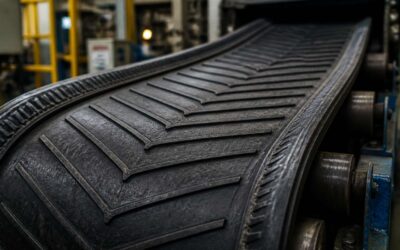
Different types of conveyor belts are tailored to meet specific operational demands. Fabric belts, known for their flexibility and lightweight design, excel in short to medium-distance applications. Steel cord conveyor belts, with their remarkable tensile strength, are perfect for the heavy loads and high tension demands typical of mining operations. Rubber belts, robust and resilient, serve the dual purpose of durability and ease of maintenance. These variations ensure that each coal conveyor belt system is optimized for performance, longevity, and safety.
Materials and Construction of Coal Conveyor Belts – Details on materials like rubber, plastic, and metal, and construction features for durability
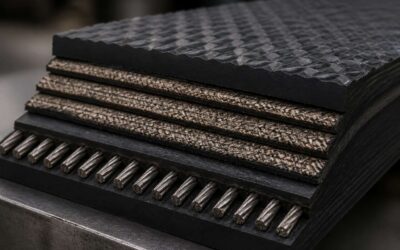
Within the shadowed labyrinth of coal transit, the very essence of a robust coal conveyor belt lies in its materials and construction—an orchestration of strength and resilience. Beneath the surface, layers of vulcanized rubber, reinforced with precise fibers, forge the backbone of durability against the relentless grind of the mine. Steel cords, woven like unyielding arteries, give the belt its tensile might, allowing it to bear the crushing weight of continuous loads without faltering. The choice of materials is no trivial matter—rubber offers flexibility and resistance to abrasion, while plastic components provide lightweight yet sturdy connectors for the more delicate sections of the system. For extreme conditions, metal elements such as steel reinforcements dominate, ensuring longevity amidst the chaos.
Constructed with deliberate precision, a coal conveyor belt features a combination of layered carcass and cover compounds. The carcass, whether fabric or steel, acts as a skeletal framework that withstands stretching and impact. Its surface, coated with wear-resistant rubber or polymer, shields against abrasive coal dust and environmental assaults. The intricate design not only safeguards efficiency but also elevates safety standards, fending off tears, punctures, and premature failure. In the unforgiving mines of South Africa, such meticulous construction ensures that each coal conveyor belt becomes an unbreakable artery—carrying the lifeblood of industry through darkness and light alike.
Key Components of a Coal Conveyor Belt System – Description of rollers, pulleys, belts, tensioners, and frames
Within the intricate ballet of coal transportation, the key components of a coal conveyor belt system operate with unwavering precision. These essential elements—rollers, pulleys, belts, tensioners, and frames—form the unseen architecture that ensures the relentless movement of this vital industry artery. Each component is a testament to engineering mastery, working in harmony to withstand the tumultuous conditions of subterranean mines and sprawling open-pit operations alike.
At the core, rollers guide and support the belt, their robust bearings reducing friction and enabling seamless transit across vast distances. Pulleys—specially crafted with durable, often steel-reinforced surfaces—drive and redirect the belt’s course, transforming the energy flow into a controlled, almost hypnotic motion. Tensioners maintain optimal tension, countering elongation and weight fluctuations, thus preventing sagging that could jeopardize efficiency and safety. Framing, constructed from high-strength steel or reinforced structures, holds these components in alignment, creating an unyielding vessel that endures the punishing environment of coal mining.
To visualize the architecture, consider an ordered list of vital components:
- Rollers
- Pulleys
- Belt itself
- Tensioners
- Frames
It’s this symphony of parts that transforms a simple strip of rubber into an indomitable motor of industry, propelling coal from its release point deep within the earth to the surface—fueled by innovation, resilience, and the meticulous craftsmanship that underpins every coal conveyor belt.
Design and Engineering of Coal Conveyor Belts
Factors Influencing Conveyor Belt Design – Considerations such as load capacity, belt width, and operational environment
In the intricate ballet of coal handling, the design and engineering of a coal conveyor belt must be nothing short of perfection. It’s a marvel when you consider that a well-engineered conveyor system can move tons of coal daily, seamlessly supporting the economic heartbeat of South Africa’s mining sector. The secret lies in understanding how factors like load capacity and operational environment influence every aspect of the conveyor belt’s construction.
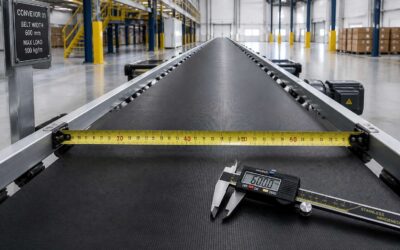
For instance, the conveyor belt’s load capacity must be meticulously calibrated to prevent catastrophic failure—belts that are too weak buckle under pressure, while overly robust ones inflate costs unnecessarily. Belt width, a seemingly simple measurement, is pivotal; a wider belt can accommodate larger quantities of coal but demands more substantial support structures. The operational environment plays a distinct role, especially in South Africa’s variable climate—dust, moisture, and temperature shifts all factor into optimal design. Choosing the right materials, such as rubber or steel cord, ensures durability against abrasive coal particles and harsh conditions.
Ultimately, the art of designing a compelling coal conveyor belt hinges on balancing these considerations—load, width, and environment—to craft an endless flow that’s both efficient and resilient. A well-engineered conveyor system is not merely machinery; it’s the backbone of sustainable coal extraction, refined through every detail of its design and engineering process.
Innovative Engineering Solutions – Latest advancements like energy efficiency and noise reduction technologies
In the relentless march of technological progress, the coal conveyor belt stands as a testament to innovative engineering solutions transforming South Africa’s mining landscape. Gone are the days of crude mechanisms—today’s systems embrace energy efficiency and noise reduction technologies that slash operational costs while reducing environmental impact. These advancements are not merely bells and whistles; they are vital for ensuring the longevity and sustainability of coal handling operations in a fiercely competitive market.
Recent breakthroughs have introduced smart conveyor systems equipped with sensors that optimize power consumption, making the entire process leaner and greener. Noise pollution, a nemesis in densely populated mining regions, is now tackled head-on with advanced damping materials and strategic design tweaks. For instance, implementing rubber isolators and specialized tensioning mechanisms can dramatically reduce sound levels without sacrificing throughput. Such innovations demonstrate that a well-designed coal conveyor belt is more than just a moving belt—it’s an engineering marvel that balances rugged durability with cutting-edge environmental concerns.
To elevate the design further, engineers often adopt a holistic approach, considering factors like material selection and system configuration. The choice of steel cord or rubber belts intertwined with high-quality rollers and tensioners—each element meticulously calibrated—ensures maximum efficiency and resilience. Moreover, adopting modular components allows for seamless upgrades, future-proofing the coal conveyor belt against technological advancements and wear-and-tear. In essence, the evolution of coal conveyor belts exemplifies how ingenuity and precision can optimize the backbone of coal extraction in South Africa, transforming industry standards into a symphony of sustainability and efficiency.
Safety and Compliance Standards – Regulations and best practices for ensuring safe and compliant conveyor systems
In the bustling world of South Africa’s coal industry, safety and compliance are the backbone of sustainable operations. A cogs-in-the-gear mindset coupled with rigorous standards isn’t just good practice—it’s an absolute necessity. The design and engineering of a coal conveyor belt must adhere to strict regulatory standards that safeguard workers, protect the environment, and keep the process running smoothly. Amidst the fierce competition, cutting corners or neglecting safety protocols can cause costly downtime, or worse—accidents that no one wants to explain away.
Ensuring regulatory compliance involves a meticulous approach to system design, with a focus on risk mitigation and durability. Key components such as emergency stop mechanisms, modular safety guards, and conveyor monitoring systems are now standard fare in today’s high-tech conveyor setup. South African mines often follow national standards like SANS 10378, which emphasizes hazard identification and risk control measures for conveyor systems. These safety protocols are complemented by industry best practices that advocate for regular inspections, maintenance, and staff training—because a well-informed operator is the best defense against mishaps.
Considering factors like load capacity and operational environment is crucial, as neglecting these considerations can turn a well-crafted coal conveyor belt into a hazard zone. The latest regulations also encourage the integration of state-of-the-art control systems and material selections to mitigate noise and vibration—further aligning safety with sustainability. From strategic belt tensioning to implementing precise roller arrangements, every detail matters. After all, in the coal industry, robust engineering isn’t just about efficiency; it’s about safeguarding every heartbeat behind each spinning pulley.
Maintenance and Troubleshooting of Coal Conveyor Belts
Routine Maintenance Practices – Scheduled inspections, cleaning protocols, and belt tension adjustments
Maintaining a coal conveyor belt is a critical component of ensuring smooth, uninterrupted operation in any coal mining operation. Routine maintenance practices not only prolong the lifespan of the conveyor system but also mitigate costly downtime. Regular inspections allow maintenance teams to identify early signs of wear and tear, such as frayed belts or misaligned rollers, preventing major failures down the line.
Cleaning protocols are equally essential. Accumulated coal dust and debris can cause belt slippage or imbalance, which compromises efficiency and safety. Implementing a scheduled cleaning routine, combined with proper belt tension adjustments, keeps the conveyor belt operating at peak performance. It’s vital to balance the tension correctly; too tight, and the belt might stretch prematurely, too loose, and it can slip or derail under load.
To streamline troubleshooting, many coal conveyor belt systems are now equipped with advanced sensor technology that alerts operators to issues like abnormal vibrations or temperature fluctuations. Understanding these signals can facilitate swift intervention. Key components such as tensioners and pulleys must be checked periodically, as their failure often leads to costly unscheduled downtime. Routine monitoring, combined with proactive repairs, keeps the conveyor system running efficiently and safely for years to come.
Common Issues Encountered – Problems such as belt slippage, misalignment, and material spillage
Within the shadowed depths of coal mining, the relentless march of the coal conveyor belt is both a lifeline and a curse. Yet, even the most robust systems succumb to the wear of relentless toil. Common issues such as belt slippage and misalignment lurk like specters in the machine’s dark corners, ready to disrupt the delicate balance of operation.
Belt slippage, often caused by insufficient tension or debris accumulation, can spiral into catastrophic failure if left unchecked. Misalignment, sometimes the result of uneven wear or faulty rollers, causes the belt to veer off course, risking damage to both the system and personnel.
Material spillage, an insidious foe, coats the surrounding area with coal dust—drastically reducing efficiency and increasing safety risks. An unsteady conveyor belt often exhibits telltale signs like uneven belts or unusual vibrations. Diagnosing such issues involves careful inspection and often the use of advanced sensor technology that detects abnormalities before chaos unfolds.
Regular troubleshooting not only preserves the integrity of the coal conveyor belt but also ensures that its dark, relentless pulse continues uninterrupted in the depths of South African mines.
Repair and Replacement Procedures – Guidelines for repairing belt damage and replacing worn components
Maintaining a coal conveyor belt system in the tumultuous environment of South African mines demands precision and vigilance. When damage occurs or components wear, swift and effective repair procedures become essential to keep operations running smoothly. Repairing belt damage involves assessing the extent of wear, then carefully removing and replacing the affected sections with high-quality repair materials. For crucial components like rollers, pulleys, and tensioners, replacement should be executed with components that match the original specifications, ensuring seamless integration.
To streamline the process, many experienced technicians follow a systematic approach, often referring to a step-by-step guide that includes:
- Stopping the conveyor belt safely and isolating power sources.
- Inspecting the entire system for damage, focusing on vulnerable areas like edges where tearing or punctures often appear.
- Removing damaged or worn components without causing collateral damage to adjacent parts.
- Installing new or repaired sections with proper tensioning to prevent future slippage or misalignment.
Proper troubleshooting extends beyond repairs—regular inspection and preventative replacement of wear-prone elements ensure the longevity of your coal conveyor belt in the rugged South African mining landscape. With advanced diagnostic tools like sensor technology, issues are detected early, minimizing downtime and safety hazards in the underground depths.
Environmental and Economic Impact of Coal Conveyor Belts
Environmental Considerations – Minimizing dust, spillage, and energy consumption
As the heartbeat of coal transportation, the coal conveyor belt holds a silent promise: efficiency intertwined with environmental stewardship. In South Africa’s bustling mines, where coal remains vital to energy and industry, minimizing the environmental footprint of conveyor systems turns from necessity to obligation. Dust suppression measures—such as water sprays and enclosed covers—are crucial in reducing airborne particulates, safeguarding both workers and surrounding communities. Spillage control through advanced scraper systems and tight belt tracking not only preserves the integrity of the operation but also curbs pollution.
Equally pressing is the quest for energy conservation. Modern innovations in the design of coal conveyor belts focus on lowering energy consumption via smart tensioning systems and high-efficiency motors. An environmentally conscious approach not only meets regulatory standards but also enhances economic viability. After all, a well-designed coal conveyor belt doesn’t just move coal—it embodies an ongoing commitment to sustainable mining practices that respect the land beneath and future generations ahead.
Cost Efficiency and Operational Benefits – How conveyor belts optimize coal handling and reduce labor costs
In the relentless pursuit of efficiency, coal conveyor belts have emerged as the unsung heroes of modern mining operations—cutting costs, boosting productivity, and quietly reducing environmental impact. South African mines, where coal is king, understand that a well-optimized coal conveyor belt isn’t just a mechanized marvel; it’s a financial powerhouse. By streamlining coal handling, these systems slash labor expenses and minimize downtime, which, let’s face it, can be the difference between profit and loss.
Cost efficiency isn’t just about saving cents on the dollar—it’s about the entire operation humming smoothly. A durable, well-designed coal conveyor belt reduces the need for frequent repairs and replacements, meaning fewer costly shutdowns. Furthermore, advanced conveyor systems with features like intelligent tensioning and energy-efficient motors curb energy bills, transforming what once was a costly energy drain into a manageable expense.
- Reduced labor costs through automation and fewer workers needed for manual handling.
- Lower maintenance expenses thanks to high-grade materials and resilient construction.
- Enhanced operational uptime due to reliable components and proactive troubleshooting.
All of these factors converge to form a compelling case: when it comes to managing coal, a top-tier coal conveyor belt isn’t just a conveyor—it’s a strategic investment. Its ability to optimize coal handling, reduce environmental footprint, and deliver tangible operational benefits makes it an indispensable asset—turning hefty expenses into slimmed-down, efficient workflows. Truly, the backbone of sustainable, profitable mining in South Africa deserves nothing less than innovation that’s as sharp as the industry’s future ambitions.
Future Trends and Innovations – Emerging technologies for greener, safer, and more efficient conveyor systems
As the world leans increasingly toward sustainable energy solutions, the evolution of coal conveyor belts stands at the forefront of this transformation. Emerging technologies promise to usher in a new era of greener, safer, and more efficient coal handling systems. Innovations like regenerative energy recovery systems are now being integrated into modern conveyor systems, drastically reducing energy consumption and blurring the line between profitability and responsibility.
One compelling development is the integration of intelligent monitoring sensors that facilitate predictive maintenance. These sensors detect early signs of wear or misalignment, cutting down on downtime and reducing environmental spillage—a crucial step in minimizing ecological impact. By harnessing these advances, coal conveyor belts are becoming more than just transport tools; they are vital assets in the quest for cleaner, more conscientious mining practices.
Furthermore, future trends include noise reduction technology, significantly lowering the acoustic footprint of conveyor operations—an improvement for both workers and nearby communities. As South African mines look toward innovation, the focus is increasingly on the sustainability of conveyor systems.
- Energy-efficient motors
- Smart tensioning systems
- Automated dust suppression technologies
all contribute to a future where coal conveyor belts leave a lighter mark on the environment.
It’s undeniable: the next horizon for coal conveyor belt technology promises not only operational resilience but also a profound shift toward more eco-conscious mining—an evolution that respects both the industry’s legacy and the planet’s future.
0 Comments