
Understanding Conveyor Belts for Concrete
Overview of Conveyor Belts in the Concrete Industry – Role and importance of conveyor belts in concrete mixing and placement
Remarkably, over 70% of concrete construction projects rely heavily on conveyor belts to streamline the challenging process of material handling. The conveyor belt for concrete is not merely a conveyor; it’s the unsung hero behind seamless mixing and precise placement, particularly in the rugged terrains of South Africa’s diverse landscape. These belts are engineered to withstand abrasive elements, ensuring durability that matches the resilience of the structures they help create.
In essence, conveyor belts for concrete are vital cogs in the machinery of modern construction. They facilitate the continuous flow of mixed material from batching to pouring, reducing delays and minimizing waste. The role of these conveyor belts extends beyond mere transportation; they embody efficiency and consistency, often dictating the overall success of a project. For instance, conveyor belts equipped with adjustable speed and flexible configurations adapt effortlessly to various site demands, making them indispensable tools in today’s construction arsenal.
Strategically, the role of a conveyor belt for concrete in the industry is unmistakable. From towering skyscrapers to expansive infrastructure projects, their importance cannot be overstated. The relentless march of concrete across site boundaries is what keeps progress moving—to risk a bit of proverbial flourish—turning raw material into solid achievement, one belt at a time.
Types of Conveyor Belts Used for Concrete – Different belt types including rubber, fabric, and steel cord belts
The selection of the right conveyor belt for concrete is paramount in ensuring efficiency and longevity on rugged construction sites. Different types of conveyor belts cater to the diverse demands of concrete transportation, each with unique properties suited to specific applications. Rubber conveyor belts, for example, are renowned for their abrasion resistance and flexibility, making them ideal for rugged terrains and harsh environments common in South Africa’s construction zones. Their resilience lends itself well to the abrasive nature of concrete materials, preventing premature wear and tear.
Fabric conveyor belts, on the other hand, provide a lightweight yet durable option, often used in projects requiring less heavy-duty handling but where precision and smooth operation are still crucial. Steel cord belts are the heavyweight champions—built to withstand extreme tension and heavy loads, making them the backbone of large-scale infrastructure projects. These belts excel in offering stability and strength, ensuring that even the most demanding concrete pouring tasks proceed without a hitch.
Material Selection for Concrete Conveyor Belts – Criteria for selecting durable, high-performance belt materials
Choosing the right conveyor belt for concrete is akin to selecting the backbone of a thriving construction site. Durability, performance, and adaptability are non-negotiable, especially when dealing with the rigors of South Africa’s demanding terrain. The material composition of your conveyor belt directly impacts operational efficiency and lifespan, which is why understanding the criteria for selecting high-performance belt materials is essential.
A high-quality conveyor belt for concrete must combine abrasion resistance with flexibility, ensuring it withstands persistent wear from rough concrete mixes. It should also maintain stability under heavy loads and extreme tension, especially in large-scale infrastructure projects. When evaluating options, consider factors like environmental resistance, ease of maintenance, and load capacity. An optimal belt material will serve as a resilient foundation, seamlessly transporting concrete while minimizing downtime and repair costs.
- Resistance to abrasions and tears
- High tensile strength for heavy loads
- Flexibility for smooth operation
- Environmental durability against moisture and temperature fluctuations
Design and Construction of Concrete Conveyor Belts
Key Design Features – Width, length, and load capacity considerations
Concrete flows like molten lava—powerful yet delicate—making the design of a conveyor belt for concrete an intricate dance between robustness and efficiency. The width of the belt must be carefully calibrated to accommodate the volume of concrete without sacrificing speed or stability, striking a harmonious balance that ensures smooth, uninterrupted flow. The length, on the other hand, must traverse the landscape of a construction site with precision, reaching every corner where pouring is needed, yet remaining manageable within the constraints of site logistics.
Load capacity is the heartbeat of a well-designed conveyor belt for concrete. It determines how much can be transported in a single pass, affecting productivity and operational timing. To optimize performance, considerations like belt tension, material strength, and pulley design come into play, intertwining to create a resilient system capable of handling heavy, viscous loads day after day. When these design elements converge, they craft a conveyor belt that doesn’t merely move concrete—it propels construction excellence forward!
Surface and Cover Material Options – Choosing the right surface for concrete transportation
The surface and cover material options for a conveyor belt for concrete are more than just superficial choices; they define the very integrity of the transportation system. When dealing with viscous, abrasive concrete, selecting the appropriate surface material is crucial to minimize wear and tear while maintaining reliable performance. The right cover enhances grip, prevents slippage, and shields the belt from harsh environmental influences, ensuring longevity in demanding construction environments.
Manufacturers often recommend using specialized rubber or polymer covers designed explicitly for concrete conveyor belts. These materials offer exceptional resistance to abrasion and tearing, crucial factors when transporting heavy, abrasive loads. In some cases, steel cord belts are preferred for their unmatched strength, combined with a robust surface finish that withstands continuous pressure. For less aggressive applications, fabric belts with resilient covers might suffice, offering a balanced mix of durability and flexibility.
Choosing the ideal surface material often involves evaluating several criteria, such as temperature tolerance, impact resistance, and ease of maintenance. To simplify this process, consider the common options below:
- High-Strength Rubber Cover: Best suited for high-impact concrete pouring, providing excellent resistance to abrasive wear.
- Polymer Coatings: Light yet durable, offering resistance to chemicals often present in industrial environments.
- Steel Cord Reinforced Surface: Ideal for heavy-duty, large-volume concrete conveyance, with superior tensile strength.
In the relentless pursuit of conveyor belt for concrete excellence, surface and cover materials serve as the unseen guardians—embodying resilience, efficiency, and uncompromising safety on every construction site in South Africa. Their selection can be the defining factor that transforms a good conveyor belt into an extraordinary one capable of enduring the relentless demands of modern industrial construction.
Structural Components – Frame, rollers, and tensioning systems
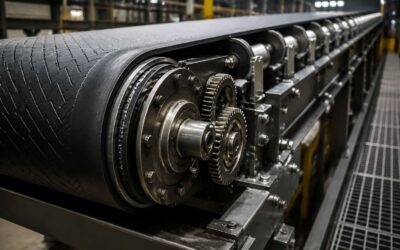
Behind every successful concrete pour in South Africa, there’s a sturdy, well-designed conveyor belt for concrete silently operating behind the scenes. Structural components are the backbone of this essential equipment, ensuring it can handle the brutal demands of construction sites. The frame, usually constructed from heavy-duty steel, provides the rigidity needed to support the entire system—think of it as the spine that keeps everything upright and functional.
Rolling along are the conveyor’s rollers—those critical elements that keep the belt moving smoothly without slipping into chaos. Properly aligned rollers reduce friction and prevent costly downtime. Tensioning systems, often overlooked but utterly vital, maintain the perfect amount of tension in the belt. Without this, the belt risks slipping or sagging—imagine a tired, drooping conveyor belt for concrete trying to do its job. Adjustable tensioning devices—be they screw, gravity, or hydraulic—allow for fine-tuning, boosting longevity and performance.
For optimal operation, a smart design incorporates:
- Heavy-gauge side frames for durability
- Robust rollers designed to withstand abrasive concrete
- Reliable tensioning systems that adapt to load changes
This combinatorial approach ensures that the conveyor belt for concrete withstands the relentless pressure of construction projects, providing a reliable, long-lasting platform from mixing to placement. Because in the world of concrete transportation, a well-constructed belt isn’t just about moving material—it’s about moving mountains of cement with finesse and resilience.
Customizable Features for Specific Applications – Adapting conveyor belts for different concrete types and environments
Every construction site demands a tailored approach when it comes to concrete transportation. The design and construction of a conveyor belt for concrete must adapt to varying conditions—different types of concrete, environmental challenges, and site-specific demands. Customizable features allow the conveyor belt for concrete to meet these diverse needs efficiently, ensuring smooth operation from start to finish.
For optimal performance, many conveyor belts incorporate adjustable width and length options, enabling precise control over material flow. Heavy-duty cover materials are selected based on the concrete’s abrasiveness and moisture content, reducing wear and tear. The belt’s surface, whether rubber, fabric, or steel cord, can be customized to handle specific concrete consistencies and environmental conditions. This flexibility ensures the conveyor belt for concrete remains resilient across applications, whether in hot, dusty conditions or cold, damp environments.
To further enhance adaptability, some systems feature modular components that are easy to upgrade or replace, catering to evolving project needs. As South Africa’s construction industry grows, so does the demand for belt systems engineered for specific applications. Whether pouring foundations or lifting precast elements, a well-designed, customized conveyor belt for concrete makes all the difference in productivity and durability.
Operational Advantages of Using Conveyor Belts for Concrete
Efficiency and Speed – How conveyor belts improve project timelines
Efficiency on construction sites is paramount, especially when speed can impact overall project timelines. Conveyor belts for concrete have become an indispensable tool, dramatically reducing manual labor and enhancing flow. These systems allow for continuous pouring, meaning less downtime and fewer delays. No longer do workers need to haul heavy loads over uneven terrain—instead, a conveyor belt for concrete ensures a steady, reliable flow from mixer to formwork.
Moreover, conveyor belts for concrete help maintain a consistent work pace, which is critical in avoiding bottlenecks. This consistency translates into faster overall project completion, often shaving days or even weeks off scheduled timelines. Such improvements not only boost productivity but also minimize costs—an undeniable advantage in South Africa’s competitive construction landscape. The ability to adapt and scale conveyor systems makes them a strategic choice for projects where every hour counts.
Safety Benefits – Reducing manual handling and accident risks
Safety on construction sites isn’t just a box to tick — it’s a matter of life and limb, especially when heavy loads and bustling activity collide. Enter the conveyor belt for concrete: a game-changer in reducing manual handling risks. By automating the transport of heavy, unwieldy loads, these systems dramatically cut down on worker fatigue and the likelihood of accidents.
Manual concrete hauling over uneven terrain is not only labor-intensive but also an accident waiting to happen. Using a conveyor belt for concrete turns hazardous lifting into a smooth, controlled process. It minimizes slips, trips, and falls that are all too common in traditional pouring methods. Plus, the risk of concrete splashes or spills—potential causes of slips or burns—is sharply decreased, making the work environment safer and more predictable.
- Reduced manual handling means fewer injuries and reduced insurance premiums.
By integrating conveyor systems, construction projects in South Africa enjoy safer, more reliable operations. Not only does this advantage protect workers, but it also maintains project momentum, making delays less likely. Safety isn’t just a bonus; it’s a critical factor in choosing a conveyor belt for concrete that meets the demands of tough construction environments.
Cost Effectiveness – Long-term savings and maintenance considerations
In the bustling world of construction, every second and cent counts—especially when it comes to pouring concrete efficiently. The long-term savings unlocked by using a conveyor belt for concrete can be striking. By reducing reliance on manual labor, this innovative machinery streamlines large-scale projects and minimizes costly delays. Over time, the initial investment in a conveyor belt system pays dividends through improved productivity and fewer accidents that could otherwise slow down the build.
Maintenance considerations are crucial for preserving these investments. Well-maintained conveyor belts for concrete exhibit extended lifespan and reliable performance, ensuring operational costs stay predictable. Regular inspections, proper tensioning, and timely component replacements safeguard against breakdowns that might disrupt project timelines. Additionally, choosing belts with high durability reduces downtime and replacement expenses. For construction teams committed to long-term value, partnering with trusted providers guarantees that the conveyor belt for concrete remains a dependable workhorse, delivering steady performance on every site.
Versatility and Flexibility – Handling various distances and elevations
In the intricate dance of modern construction, adaptability isn’t merely advantageous—it’s essential. The conveyor belt for concrete exemplifies this principle, gracefully spanning various distances and elevations with astonishing versatility. Its ability to traverse horizontal expanses seamlessly, then pivot to ascend steep inclines or plunge into confined spaces, transforms the logistical landscape of concrete placement. This flexibility ensures that no challenge is insurmountable, no terrain too unforgiving.
What truly elevates the conveyor belt for concrete is its capacity for customisation—adapting to unique project demands with ease. Whether dealing with sprawling infrastructure or intricate residential developments, these systems can be configured with adjustable lengths, variable speeds, and specialized surface options to match specific application needs. Such dynamic adaptability allows crews to focus on precision pouring, reducing waste and optimizing workflow.
Handling diverse elevations and distances without sacrificing speed or accuracy results in remarkable operational efficiency. The conveyor belt for concrete not only accelerates project timelines but also enhances safety by minimizing manual handling in hazardous environments. Its capacity to operate consistently over extended periods—without sacrificing performance—embodies the kind of engineering ingenuity that propels construction projects forward, seamlessly integrating flexibility with steadfast reliability.
Maintenance and Troubleshooting of Concrete Conveyor Belts
Routine Inspection Tips – Identifying wear and tear early
Step into the realm of concrete technology, where the silent guardians of efficiency—conveyor belts for concrete—demand vigilant vigilance. Routine inspection isn’t merely a chore; it’s the first line of defense against the ominous specter of unexpected breakdowns. Early identification of wear and tear can save a project from costly delays and ensure the seamless flow of concrete through the construction hierarchy.
Every conveyor belt for concrete must be scrutinized with keen eyes. Look for frayed edges, cracks, or unusual noises that signal underlying issues. The tensioning system should be examined to confirm it maintains proper tension, preventing slippage. Regular lubrication of rollers and moving parts ensures smooth operation and can extend the life of the belt significantly. When irregularities appear, swift troubleshooting—such as realigning misaligned rollers or replacing worn-out cover materials—can restore operational integrity.
- Inspect for material buildup that can cause uneven wear.
- Check the belt’s tension regularly to avoid sagging or excessive strain.
- Monitor roller alignment for abnormal vibrations or misfires.
Remember, a proactive approach to maintenance isn’t merely about fixing issues; it’s about preventing them. Troubleshooting should always be grounded in a thorough understanding of the conveyor belt’s structural components, ensuring that every element—from frame to tensioning system—is performing at peak capacity. In the grand dance of concrete conveyor belts, consistency and care choreograph a performance that’s both reliable and resilient.
Common Issues and Fixes – Dealing with belt misalignment, slippage, and material build-up
In the relentless rhythm of concrete construction, the conveyor belt for concrete stands as the unseen yet vital artery fueling efficiency. Yet, even these stalwart systems are susceptible to the silent onslaught of wear—misalignment, slippage, and material buildup threaten to undermine the very flow they are designed to sustain. Recognizing these issues early transforms potential catastrophes into manageable glitches, averting costly delays.
When belt misalignment occurs, the conveyor belt for concrete can drift from its course, causing uneven wear and risking component failure. Realigning the belt requires meticulous adjustment of rollers and proper tensioning, ensuring the continuous, harmonious march of concrete along its designated pathway. Slippage—often a consequence of inadequate tension or worn-out rollers—can be remedied by inspecting the tensioning system and replacing fatigued components accordingly.
Material buildup, another common adversary, hampers the conveyance process through uneven wear and increased mechanical strain. Regular cleaning and controlling material flow can curtail this buildup, preserving optimal operation. Sometimes, simple fixes like adjusting the scraper blades or reinforcing cover materials provide an immediate remedy. For persistent issues, a comprehensive overhaul within the structural components—such as frames and rollers—may be warranted to restore peak performance.
The art of troubleshooting a conveyor belt for concrete involves understanding its intricate dance of components. Utilizing an ordered approach often saves significant downtime: identify the symptom, inspect the related parts, and execute targeted interventions. Keeping this system in a state of vigilant care transforms the conveyor belt for concrete from a fragile link into a resilient backbone of construction endeavors.
Preventive Maintenance Strategies – Extending belt lifespan and performance
Investing in preventive maintenance for your conveyor belt for concrete is essential to extending its lifespan and ensuring peak performance. These systems are the backbone of many construction sites, handling the constant flow of wet, heavy, and abrasive materials. Without proper upkeep, wear and tear can quickly compromise operation, leading to costly downtime.
Regular inspections play a crucial role in identifying early signs of issues. Monitoring belt tension, checking for signs of misalignment, and ensuring rollers remain free of debris can prevent major failures. Incorporating routine cleaning schedules reduces material buildup, which otherwise causes uneven wear and increased strain on mechanical components. Additionally, it’s wise to periodically examine surface and cover materials, as the right surface choice impacts both durability and ease of operation.
To maintain optimal performance, consider implementing a few straightforward strategies:
- Adopt a scheduled inspection routine to catch problems before they escalate.
- Maintain correct belt tension and alignment regularly to avoid slippage and uneven wear.
- Keep the conveyor belt for concrete clean through systematic debris removal to prolong the system’s efficiency.
These steps not only help in preventing unexpected breakdowns but also maximize the cost-effectiveness of your conveyor system. Remember, a well-maintained conveyor belt for concrete isn’t just about avoiding repairs; it’s about creating a resilient artery that keeps your project moving smoothly and safely, even under demanding conditions.
Safety Protocols During Maintenance – Best practices to ensure worker safety
Maintaining a conveyor belt for concrete isn’t merely about preserving a piece of equipment; it’s a dance of vigilance and finesse that safeguards your entire project. Safety protocols during maintenance are paramount—anything less would be like performing delicate surgery with a blunt instrument. Proper lockout/tagout procedures, for instance, are your first line of defense against accidental startup, ensuring that workers can perform inspections without the risk of unexpected movement.
Shielding workers from pinch points and pinch points, and providing high-visibility personal protective equipment (PPE), underscores a commitment to safety that rivals the precision of a well-rehearsed ballet. Regularly inspecting and troubleshooting the conveyor belt for concrete involves examining tension, alignment, and the condition of rollers. A common issue—belt slippage—can be remedied swiftly if caught early. Remember, a proactive approach significantly minimizes downtime and long-term costs.
When performing maintenance, it’s essential to adhere to established safety standards, such as comprehensive training and clear signage. To keep safety at the forefront, consider the following best practices:
- Ensure all power sources are isolated before commencing any inspection or repair.
- Use appropriate tools and wear PPE, including gloves and eye protection.
- Finally, never neglect routine checks—after all, the safest conveyor belt for concrete is one that’s observed daily with an eagle’s eye for anomalies.
In this arena of heavy machinery and relentless materials, safety isn’t a mere formality; it’s the foundation of productivity and peace of mind. After all, no project runs smoothly when safety’s left to chance!

0 Comments