
Understanding Conveyor Belt Scales
Types of Conveyor Belt Scales – Different types such as static, in-motion, and hybrid scales and their specific applications
Understanding the intricacies of conveyor belt scales opens a new dimension of efficiency for industries across South Africa. The type of conveyor belt scale chosen can dramatically influence measurement accuracy and operational flow. That’s where the distinction between static, in-motion, and hybrid scales comes into play, each tailored to specific needs and environments.
Static conveyor belt scales are the stalwarts of precision—they record weight offline, often in controlled settings. These are ideal for applications where accuracy supersedes speed, such as in smaller batch processes or calibration stations. Conversely, in-motion conveyor belt scales are the unsung heroes of high-volume throughput. They provide real-time weight data while materials are in transit, ensuring seamless monitoring of large quantities without stopping production.
Meanwhile, hybrid scales blend the best of both worlds, offering adaptable solutions for complex operations that demand flexibility. The choice among these types hinges on various factors, including material characteristics, required throughput, and precision levels. Knowing the specific application context makes all the difference—truly an art form in the realm of conveyor belt scale technology!
Key Components and Technology – Overview of load cells, weighing frames, and integration with monitoring systems
Behind the scenes of every precise conveyor belt scale lies a sophisticated symphony of components working in harmony to deliver accurate measurements. At the heart of this technology are load cells—tiny yet mighty devices that sense the force exerted by bulk material as it moves across the belt. These sensors are the unsung heroes, transforming mechanical weight into electrical signals that can be interpreted with astonishing precision. In tandem, robust weighing frames cradle the load cells, ensuring stability and accuracy even in the most demanding industrial environments.
Modern conveyor belt scales also boast seamless integration with monitoring systems, creating a dynamic feedback loop that enhances operational efficiency. Through advanced software, real-time data is visualized across dashboards, allowing operators to track throughput, detect anomalies, and make informed decisions instantaneously. This interconnected web—comprising load cells, weighing frames, and digital integration—takes conveyor belt scale technology to new heights. Whether used in mines, ports, or manufacturing plants in South Africa, these systems are transforming how we measure, monitor, and optimize bulk material flow.
How Conveyor Belt Scales Work – Step-by-step explanation of measurement processes and data collection
Understanding the inner workings of a conveyor belt scale reveals more than just a piece of industrial equipment—it uncovers a complex ballet of precision engineering and real-time data processing. At its core, the operation hinges on the seamless measurement of bulk material as it journeys across a conveyor belt. These systems are designed to provide continuous, accurate readings essential for efficient material handling in South African industries such as mining, ports, and manufacturing plants.
The measurement process begins as bulk material moves onto the conveyor belt. Load cells, the pivotal component of the conveyor belt scale, immediately sense the force exerted by the material’s weight. These miniature yet highly sensitive devices transform mechanical force into electrical signals—a process that demands both stability and precision. To maintain accuracy under demanding conditions, the sensors are mounted on robust weighing frames, which absorb vibrations and disturbances, ensuring consistent data collection.
Once the load cells capture the force, the electrical signals are sent to an integrated digital monitoring system. Here, the signals are processed through sophisticated algorithms, filtering out noise and ensuring reliable readings. This data flows into a dashboard where operators can visually interpret the throughput, detect irregularities, and adjust operations instantly. This real-time feedback loop exemplifies how modern conveyor belt scales harness advanced technology to optimize bulk material flow seamlessly.
Advantages of Using Conveyor Belt Scales – Benefits like improved accuracy, efficiency, and automation in material handling
In the bustling industries of South Africa—mining, ports, manufacturing—a conveyor belt scale isn’t just a fancy gadget; it’s the unsung hero of operational mastery. These clever pieces of equipment bring a treasure trove of benefits, transforming chaotic material flow into a symphony of precision and efficiency. Imagine having real-time data at your fingertips—no more guesswork, no more costly errors. A conveyor belt scale ensures that every tonne, kilogram, or pound is accounted for accurately, saving money and boosting productivity.
What’s more, utilizing a conveyor belt scale promotes automation that’s as dependable as a South African sunset. Automated measurement helps streamline processes, reduce human error, and enhance throughput. By integrating these systems into your operation, you’re effectively giving your business a technological edge. The advantage is clear: better accuracy, increased efficiency, and a smoother flow of materials—three ingredients for success in today’s competitive market.
Applications of Conveyor Belt Scales
Mining Industry – Usage in mineral extraction, ore processing, and bulk material management
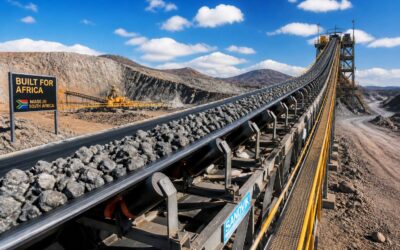
In the relentless pursuit of efficiency, the mining industry relies heavily on conveyor belt scales to maintain precision in mineral extraction and ore processing. These sophisticated devices serve as the heartbeat of bulk material management, ensuring thousands of tons are accurately weighed as they journey across sprawling mine sites. The seamless integration of conveyor belt scales transforms raw data into actionable insights, fueling operational decisions that shape the future of resource extraction.
In regions like South Africa, where mineral wealth fuels economic momentum, the significance of conveyor belt scale technology becomes even more apparent. Companies harness their capabilities to optimize performance, reduce waste, and bolster safety standards. With the power of automation and meticulous measurement, mining operations turn raw, unrefined materials into the foundation of industry and prosperity—a testament to how innovation intertwines with the dream of progress.
Manufacturing and Processing – Role in food production, chemical manufacturing, and other industrial processes
In the intricate world of manufacturing and processing, precision isn’t just a goal—it’s a necessity. Conveyor belt scale technology plays a pivotal role in ensuring accurate measurement and seamless operation across diverse industries, including food production and chemical manufacturing. These sophisticated systems are designed to keep pace with high-volume workflows, providing real-time data that underpins critical decisions. This precision is vital for maintaining product quality, reducing waste, and ensuring regulatory compliance.
For instance, in food production, conveyor belt scales monitor ingredient flow rates, ensuring consistency and optimal yields. Meanwhile, chemical manufacturing relies on these devices to handle potentially hazardous substances with exactitude, safeguarding both personnel and process integrity. Whether it’s a steady stream of raw materials or intricately mixed compounds, conveyor belt scales act as the silent sentinels that keep operations flowing smoothly.
- Enhanced measurement accuracy
- Streamlined automation processes
- Reduced material wastage
Their adaptability makes conveyor belt scales indispensable in these environments, where even minor deviations can cause significant impacts on output quality and safety standards. South African industries, particularly those involved in mineral extraction and large-scale manufacturing, are increasingly turning to advanced conveyor belt scale systems to harness these benefits, fueling growth and competitiveness on a global scale.
Agricultural Sector – Monitoring grain, seed, and hay throughput
Within South Africa’s agricultural landscape, the need for precision in measuring grain, seed, and hay throughput is more critical than ever. The role of a conveyor belt scale in this sector extends beyond mere measurement—it’s about safeguarding yields and optimizing every ton processed. Farmers and agricultural processors leverage conveyor belt scale technology to monitor flow rates in real time, ensuring consistency from harvest to storage. This continuous insight allows for rapid adjustments, preventing shortages or oversupply that could compromise quality and profitability.
In some cases, multiple conveyor belt scales are integrated into a single system, creating a sophisticated network that tracks raw materials from field to market. This interconnected setup enhances operational transparency and accuracy. The technology’s adaptability makes it particularly valuable in South Africa’s diverse agricultural environments, where even minor deviations in throughput can have significant economic repercussions. When precision becomes a priority, a conveyor belt scale becomes an indispensable component of effective crop management.
Recycling and Waste Management – Measurement of recyclable materials and waste segregation
In the realm of recycling and waste management, precision measurement is not just an advantage—it’s a necessity. Conveyor belt scale technology transforms chaotic heaps of recyclable materials and waste into quantifiable streams, enabling meticulous segregation and processing. Whether dealing with plastics, metals, or organic waste, a conveyor belt scale ensures that each fragment is accurately tallied, fostering efficiency and accountability.
One of the remarkable capabilities of conveyor belt scales in this sector is their ability to integrate seamlessly into complex sorting systems. For example, in recycling plants, multiple conveyor belt scales work in unison to monitor the flow of different waste categories. This creates a synchronized orchestra of measurement, improving sorting accuracy and throughput speed.
Beyond recycling, conveyor belt scale systems are vital in waste-to-energy facilities, where precisely tracked waste quantities optimize fuel input and energy output. Their real-time data collection supplies operators with the critical insights needed to adapt processes dynamically, reducing downtime and maximizing resource recovery. This technological marvel transforms waste management from a cumbersome task into a finely tuned dance of efficiency and sustainability. The enduring magic of conveyor belt scale technology continues to redefine how industries approach waste and recycled materials, ensuring that every ounce counts with unparalleled precision.
Choosing the Right Conveyor Belt Scale
Factors to Consider – Throughput capacity, accuracy requirements, and environmental conditions
Selecting the right conveyor belt scale hinges on understanding several critical factors. First, throughput capacity must align with your operational volume. A high-volume plant needs a conveyor belt scale capable of processing large quantities without bottlenecks. Accuracy requirements also play a pivotal role; in industries like mining, precise weight measurement can impact mill efficiency and product quality.
Environmental conditions cannot be overlooked. Dust, moisture, and extreme temperatures in South Africa can affect scale performance. Therefore, choosing a conveyor belt scale engineered for rugged environments ensures longevity and consistent readings.
Furthermore, consider the scale’s compatibility with existing systems to streamline integration and maximize automation benefits. Factoring in these elements ensures you select a conveyor belt scale tailored to your specific needs—critical for optimizing throughput and maintaining industry standards.
Types of Scale Technologies – Comparing strain gauge load cells, conveyor belt tension measurement, and non-contact technologies
Choosing the right conveyor belt scale involves understanding the different types of scale technologies available, each with its unique strengths and quirks. Among these, strain gauge load cells are the most common—they measure weight by detecting deformation in a metal element, making them highly accurate and reliable for continuous monitoring. Their durability suits rugged environments like South Africa’s mines and plant facilities.
Meanwhile, conveyor belt tension measurement systems focus on tracking tension variations to infer weight, offering a cost-effective alternative in applications where direct load cell measurement isn’t feasible. Non-contact technologies, such as laser or optical systems, are emerging as innovative solutions—these are especially useful in dusty or humid environments, reducing maintenance and preventing contamination of measurement elements.
- Strain gauge load cells
- Conveyor belt tension measurement
- Non-contact sensor technologies
Each technology plays a pivotal role in ensuring your conveyor belt scale meets operational needs, whether for industrial processing or bulk material handling.
Installation and Maintenance – Ease of setup, calibration needs, and routine upkeep tips
When integrating a conveyor belt scale into your industrial landscape, the journey from installation to routine maintenance is as crucial as the scale’s precise measurement capabilities. A seamless setup ensures your process flows like a well-conducted symphony, where each component plays its part without discord. Think of it as tuning an instrument—meticulous calibration is the key to harmonic accuracy, especially in demanding environments like South Africa’s mining sectors or bustling manufacturing plants.
Installing a conveyor belt scale involves balancing precision with practicality. For optimal results, ensure the scale is positioned on straight, stable sections of the conveyor to minimize measurement distortion. Regular calibration is not just recommended; it’s the heartbeat of reliable operation. Use certified calibration standards and check the system periodically—preferably before each shift—to maintain steadfast accuracy. Routine upkeep might seem mundane, but it’s the magic that sustains long-term performance.
- Verify the integrity of load cells and wiring connections.
- Clean the weighing area to prevent dust or debris from skewing results.
- Schedule periodic inspections to detect early signs of wear or misalignment.
Investing in the right conveyor belt scale’s maintenance doesn’t have to be complex. With a proactive approach, your system can deliver consistent, dependable data—turning raw material flow into a symphony of efficiency and precision that fuels your growth. After all, a well-maintained conveyor belt scale is the silent conductor of your operational orchestra, ensuring every process hits the right note!
Cost and ROI – Budget considerations and long-term benefits of investing in quality scales
Choosing the right conveyor belt scale isn’t just a matter of picking the fanciest model on the shelf. It’s a strategic investment that can pay dividends through enhanced operational efficiency and long-term cost savings. Budget considerations are paramount—after all, a high-quality scale might stretch the wallet initially, but it will also deliver reliable, consistent measurements day after day, reducing costly errors down the line.
Long-term benefits far outweigh the initial expenditure. A robust conveyor belt scale reduces downtime, cuts calibration chaos, and ensures data accuracy in demanding environments like South Africa’s mines or manufacturing hubs. When you factor in improved throughput and energy savings, investing in quality isn’t just wise; it’s prudent.
To make your money work harder, consider the overall return on investment (ROI). Some key points include less frequent repairs, longer lifespan, and better integration with your existing monitoring systems. Remember — a small upfront investment in a dependable conveyor belt scale is a small price to pay for the symphony of efficiency it orchestrates in your plant!
Future Trends and Innovations
Automation and IoT Integration – Enhancing data collection, remote monitoring, and smart adjustments
As industries propel into a new era of industrial automation, conveyor belt scale systems are at the forefront of this transformative shift. The integration of Internet of Things (IoT) technology and advanced automation capabilities transforms ordinary measurement systems into intelligent data hubs. Imagine a conveyor belt scale that not only measures material flow but also communicates seamlessly with your entire operational ecosystem—offering real-time insights, predictive maintenance alerts, and effortless remote monitoring. Such innovations promise to redefine efficiency and precision within South Africa’s mining, manufacturing, and agricultural sectors.
Automation, combined with IoT integration, unlocks a suite of benefits—from enhanced data collection to smart adjustments that optimize throughput. These systems utilize sophisticated algorithms to adapt in real time, reducing downtime and significantly boosting productivity. The future of conveyor belt scales lies in their ability to deliver highly accurate measurements while effortlessly interfacing with enterprise resource planning (ERP) systems, ensuring that data-driven decisions are instantaneous and reliable. An industry-first approach, these innovations are vital for maintaining competitiveness and pushing operational boundaries ever further!
Advancements in Accuracy – Improved sensor technologies and calibration methods
The future of conveyor belt scale technology is a symphony of innovation and precision, promising to revolutionize how industries measure, monitor, and optimize their material flow. Advancements in accuracy are no longer mere upgrades; they are game-changers. Cutting-edge sensor technologies now offer unprecedented sensitivity, capable of detecting even minuscule variations in load that once went unnoticed. This leap in measurement fidelity ensures that mining, manufacturing, and agricultural sectors can rely on data so precise, it feels almost supernatural.
In tandem with sensor improvements, calibration methods are evolving—embracing self-calibrating systems that reduce downtime and human error. Imagine a conveyor belt scale that learns from its environment, adapting seamlessly to fluctuations caused by dust, vibration, or temperature shifts. Such innovations clandestinely push the boundaries of what’s possible in bulk material handling, making inaccuracies a thing of the past.
Moreover, these future trends foster integration with AI-driven analytics, enabling real-time error correction and predictive maintenance. As a result, operations stay resilient and ready to scale. In the fiercely competitive landscape of South Africa’s resource zones, every fraction of accuracy gained transforms into a formidable advantage—keeping industries not just afloat but thriving amidst the relentless march of progress.
Environmentally Resilient Designs – Scales built for harsh environments and high durability
The future of conveyor belt scale technology is as much about resilience as it is about precision. In South Africa’s rugged resource zones, equipment must endure some of the harshest conditions—extreme dust, vibration, and temperature fluctuations. The new wave of environmentally resilient conveyor belt scales is designed with this reality in mind. These scales boast robust construction, featuring weatherproof coatings and durable load cells that resist corrosion and wear, ensuring longevity in demanding environments.
Innovative design considerations are central to these emerging technologies. For example, scales are now built with sealed enclosures that prevent dust infiltration, which is critical in mineral-rich industries. Additionally, high-durability materials—such as aluminum alloys and composite frameworks—are used to prolong operational life and reduce maintenance. To address complex installation environments, manufacturers are increasingly offering conveyor belt scale models that are easy to retrofit and maintain, minimizing downtime.
As industries pursue sustainability, these resilient scales integrate seamlessly with IoT platforms, enabling remote diagnostics and real-time performance monitoring. This comprehensive approach not only extends the lifespan of the equipment but also ensures that the conveyor belt scale continues to deliver consistent accuracy under challenging conditions. In this way, innovative environmental resilience becomes a cornerstone of modern material handling solutions, empowering South Africa’s industries to operate with unwavering confidence—regardless of what nature throws their way.
Software and Data Analytics – Utilizing big data for predictive maintenance and process optimization
As industries in South Africa grow increasingly complex and resource-driven, the power of software and data analytics in conveyor belt scale technology cannot be overstated. This evolution transforms raw measurement data into a strategic asset—empowering industries to preempt operational disruptions before they manifest. By harnessing big data, companies gain unprecedented insight into their processes, fueling predictive maintenance—allowing technicians to anticipate equipment wear or failure with remarkable precision.
Contemporary conveyor belt scale systems are now integrated with IoT platforms, providing real-time diagnostics that streamline decision-making. This seamless connection means that operational data can be analyzed with sophisticated algorithms, revealing patterns and anomalies that might elude manual oversight. Such intelligence optimizes throughput and minimizes downtime, especially in demanding environments typical of South Africa’s mineral zones and manufacturing corridors.
For example, advanced data analytics enable a nuanced understanding of conveyor performance, guiding process adjustments that improve accuracy and efficiency. An emerging trend is the use of predictive analytics—which not only enhances operational longevity but also aligns with sustainability goals. Here are several benefits that make this approach indispensable:
- Early detection of load cell drift, preventing costly calibration errors
- Monitoring of conveyor tension and vibration for maintenance scheduling
- Automation of reporting, reducing manual oversight
As the industry marches forward, the integration of smart software in conveyor belt scale systems signifies a shift toward data-centric material handling solutions. This trend ensures that industries across South Africa operate with unwavering precision, adaptability, and resilience—truly a testament to the transformative power of technological innovation in the realm of conveyor belt scale systems.

0 Comments