
Types of Rubber Compounds for Conveyor Belts
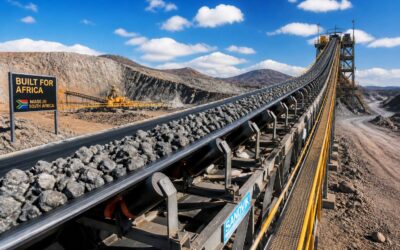
From the coal fields of Mpumalanga to the deep gold seams of the Free State, the workhorse of industry endures. The most common blend for surface mining is a combination of SBR and NR. This natural and synthetic mix gives a cost effective, abrasion resisting layer that handles sharp rock with grace.
For underground environments, operators demand flame retardant compounds. They are built from PVC or chlorinated rubber for conveyor belt applications where safety is non negotiable. Heat resistant variants, using EPDM, withstand scorching materials up to 150 degrees Celsius without cracking.
Choosing the right rubber for conveyor belt solutions is a decision about uptime. The blend must match the material’s weight, temperature, and abrasiveness. A mismatch causes premature failure. The sweet spot is balancing elongation at break with tensile strength. Serious operators know that the compound determines the soul of the belt, and the journey of the mineral it carries.
Key Properties of Conveyor Belt Rubber
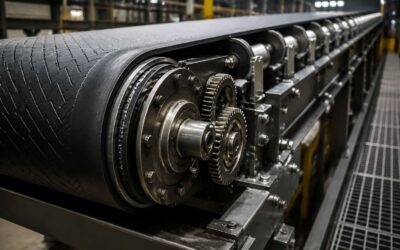
A conveyor belt is only as reliable as the rubber that forms its backbone. In South African mining and industry, this material endures brutal abrasion, sharp ore, and constant impact. The rubber for conveyor belt systems must be engineered to flex without cracking, yet remain stiff enough to track correctly under tension.
The key properties determine lifespan and safety.
– Tensile strength dictates how much stretch the belt can handle before snapping.
– Abrasion resistance protects against premature wear from rough materials.
– Tear and cut resistance prevent damage from trapped debris.
– Heat tolerance is critical when transporting hot material from kilns or furnaces.
Without these characteristics, a belt suffers from rapid degradation. Outages grind entire operations to a halt. The elastomeric resilience of rubber for conveyor belt applications also relies on its ability to rebound after compression. This resilience absorbs the kinetic energy of falling rock, preventing punctures. South African operations often face harsh ultraviolet exposure, which degrades inferior compounds. A premium rubber formulation includes antiozonants to combat this. The final product must balance hardness with flexibility, a complex equation that separates durable belts from costly failures.
Manufacturing Processes for Rubber Conveyor Belts
Every day, vast tonnages of material move across South African mines, factories, and ports. The unsung hero in this relentless flow is the conveyor belt itself, and its performance hinges entirely on the quality of the rubber used in its construction. The journey from raw polymer to a rugged, load-bearing workhorse is a fascinating blend of chemistry and heavy engineering.
It all begins with the compounding stage, where natural and synthetic rubbers are blended with a precise cocktail of additives. Carbon black is mixed in for reinforcement and wear resistance; sulphur becomes the agent for vulcanisation; and plasticisers ensure the compound remains flexible in both the sweltering heat of a Northern Cape summer and the damp conditions of a coastal terminal. This mix is then milled into a continuous sheet, ready for the next phase.
From there, the process becomes a lesson in layering. The rubber for conveyor belt carcasses is built up around a strong inner core of woven fabric or steel cords. This is where the true strength lies, and it demands absolute precision.
– First, the inner carcass is coated with a tacky rubber solution to ensure perfect adhesion.
– Next, the top and bottom rubber covers are pressed onto the carcass using heavy rollers, which force out any trapped air. A single air bubble here could cause a blowout under heavy load.
– Finally, the assembled belt enters a vulcaniser, where it is subjected to intense heat and pressure. This is the critical step that transforms the soft, pliable rubber for conveyor belt use into the tough, elastic, and resilient surface you see on site.
The result is a product built for endurance. Seeing the care taken at every stage, from the initial weighing of ingredients to the final inspection, makes it clear why a quality belt is an investment, not a cost. It is a tribute to material science, designed to keep our industries moving without missing a beat.
Applications and Industry-Specific Requirements
From the platinum belt in Limpopo to the citrus orchards of the Hex River Valley, rubber for conveyor belt systems carries the nation’s economic heartbeat. Yet no two operations demand the same compound.
Underground coal mines require flame-resistant rubber that suppresses static electricity. Aggregate quarries need cut-resistant covers to handle abrasive rock. The chemical sector demands oil-proof formulations that resist swelling.
- Heat-resistant rubber for sintered ore above 150 degrees Celsius
- Food-grade rubber for agricultural processing lines
- Weather-proof rubber for exposed stockpile conveyors
I have seen spectacular failures when operators settle for a generic product. The correct specification transforms polymer blends, reinforcement fabrics, and curing processes entirely.
Maintenance and Lifespan of Rubber Conveyor Belts
A rubber conveyor belt in South Africa travels the distance from Durban to Cape Town before it gives up. Then it fails spectacularly. Lifespan comes down to maintenance habits. Many operators inspect their rubber for conveyor belt only after a shutdown. That is expensive timing.
Regular checks are mundane but rewarding:
- Look for surface cracks
- Check splice joints weekly
- Monitor tracking alignment
These three tasks prevent most disasters. A belt that stays aligned runs longer. Repair small cuts immediately, they spread quickly. Heat and dust are the primary threats in local mines. A well cared for rubber for conveyor belt lasts fifteen years. Neglect it, and you face unplanned downtime and replacement costs. Choose wisely.

0 Comments