
Understanding Conveyor Belt Systems
Types of Conveyor Belts – Explore various types such as flat belt, modular, and steel cord belts to optimize maintenance strategies.
In the grand theater of industry, conveyor belt systems perform the silent ballet—moving goods with precision, grace, and unwavering reliability. Yet, beneath this choreography lies a delicate dance of maintenance, where understanding the diverse types of conveyor belts becomes paramount. Each system, from flat belts to robust steel cord varieties, demands tailored attention to prolong lifespan and elevate efficiency.
Flattening the intricate nuances, flat belts glide seamlessly over pulleys, their simplicity blending elegance with function. Modular belts, with their interlocking segments, offer versatility akin to a woven tapestry, ideal for fluctuating production lines. Meanwhile, steel cord belts embody resilience—designed to bear colossal loads across extensive distances, demanding vigilant conveyor belt maintenance to withstand the relentless grind of industrial labor.
In South Africa’s vibrant industries, recognizing these distinctions profoundly impacts maintenance strategies. A nuanced approach ensures operational longevity and minimizes costly downtime. Whether selecting the sturdy steel cord for mining operations or the flexible modular for manufacturing processes, understanding the unique qualities of each conveyor belt type is essential for achieving optimal performance without compromise.
Common Components and Their Functions – Detail key parts including rollers, pulleys, belts, and tensioners to facilitate targeted maintenance.
In the shadowed corridors of industry, the heartbeat of productivity relies heavily on the unseen machinery—particularly the conveyor belt systems that silently orchestrate the movement of goods. Yet, beneath their sleek exterior lurks a complex assembly of components, each vital to the dance of conveyor belt maintenance. Understanding these core parts unlocks the secret to extending lifespan and preventing catastrophic failures.
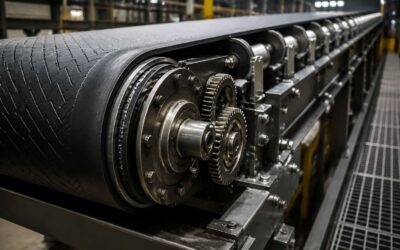
At the core are rollers and pulleys—silent sentinels guiding the belt’s perpetual motion, their wear often a covert sign of impending failure. The belt itself, the skeletal spine of the entire system, demands close scrutiny for signs of fraying or cracks. Tensioners balance this delicate equilibrium; too tight or too loose, and the entire operation risks derailment. Embracing targeted inspections of these elements reveals the true art of conveyor belt maintenance, ensuring the machinery’s longevity in South Africa’s demanding industries.
Key components include:
- Rollers—provide support and reduce friction during belt movement.
- Pulleys—direct the belt’s trajectory and transfer power with precision.
- Belt—acts as the primary carrier, subjected to relentless stress and wear.
- Tensioners—maintain optimal tension, preventing slippage or excessive strain.
Every component’s health echoes through the entire conveyor system, emphasizing why thorough conveyor belt maintenance is not just an act of upkeep but a vital safeguard against downtime and costly repairs. In the labyrinth of industrial operations, keeping these parts in check is the key to preserving the relentless cadence of progress.
Operational Principles – Explain how conveyor belts work to help identify wear patterns and potential issues early.
Conveyor belt systems form the silent backbone of South Africa’s bustling industries, their seamless operation often masking the intricate dance of mechanical precision beneath. To truly master conveyor belt maintenance, one must first understand the fundamental operational principles that govern these marvels of modern engineering. At their core, conveyor belts rely on a symphony of continuous movement—where every component plays a vital role—making it possible to transport raw materials and finished products with efficiency and ease.
The process hinges on a delicate balance: the belt must glide smoothly over rollers and pulleys, guided and supported to prevent slippage or deformation. Wear patterns often reveal themselves through subtle deviations—an uneven tracking or irregular belt fraying—that hint at deeper issues. Recognizing these early signs through vigilant inspection allows for preventative action that preserves system integrity.
During conveyor belt maintenance, keen observers look for operational anomalies, such as irregular belt tension or misaligned pulleys, which could foreshadow more serious failures. An acute awareness of how these systems operate—not just reacting to faults, but anticipating them—underscores the importance of a proactive approach in maintaining the relentless cadence of industrial progress in South Africa.
Importance of Proper Maintenance – Highlight how regular upkeep extends lifespan, improves efficiency, and reduces downtime.
Proper conveyor belt maintenance isn’t just about procrastinating until something breaks; it’s the secret to prolonging the life of your investment while keeping industries running like well-oiled machines. When you regularly inspect and service your conveyor systems, you’re effectively reducing wear and tear, which means fewer unexpected downtimes and costly repairs. With routine upkeep, the lifespan of conveyor belts can be significantly extended, making every rand count in the long run.
Moreover, well-maintained belts operate more efficiently, saving energy and increasing productivity—an absolute win in South Africa’s thriving industrial landscape. One simple way to stay ahead is to monitor for early warning signs like irregular belt tension or misaligned pulleys, which are often the first indicators that trouble is brewing. In short, consistent conveyor belt maintenance transforms a potentially chaotic process into a smooth, dependable operation, ensuring that your business stays ahead in this competitive market.
Preventive Conveyor Belt Maintenance Practices
Routine Inspection Procedures – Guidelines for daily and weekly visual checks to identify early signs of damage.
Regular conveyor belt maintenance is the backbone of operational efficiency. A meticulously planned routine inspection can prevent costly downtimes, especially in fast-paced industrial environments across South Africa. Daily and weekly visual checks serve as the frontline defense in identifying early signs of damage. Keen-eyed operators should look for frayed edges, misaligned rollers, or unusual belt slippage — all potential signs of wear that, if ignored, could escalate into major failures.
Implementing straightforward inspection procedures not only ensures the longevity of your conveyor system but also enhances safety for workers. For example, a quick sweep through the conveyor area might reveal loose bolts or worn-out tensioners. For optimal results, incorporate a checklist that covers critical components and their functions, such as rollers and pulleys. By remaining vigilant through consistent conveyor belt maintenance, businesses can foster a smoother, safer operational flow, ultimately saving costs and boosting productivity.
Cleaning and Cleaning Schedule – Best practices for removing debris, buildup, and contaminants that can cause wear.
In the relentless rhythm of industry, dust, debris, and contaminants are not just inconveniences—they are silent saboteurs of conveyor belt maintenance. Accumulated grime can accelerate wear, cause belt misalignment, and impede smooth operation. Yet, many overlook the transformative power of a meticulous cleaning schedule, believing maintenance stops at inspection. But the truth is, cleanliness is the foundation of durability and safety.
Best practices for conveyor belt maintenance include establishing a regular cleaning routine that removes debris and buildup before they become embedded issues. This isn’t merely about aesthetics; it’s an essential safeguard against premature wear and unexpected failures. An effective approach involves a combination of manual inspections combined with automated systems equipped with brushes or vacuum attachments. Consider implementing a conveyor belt maintenance checklist that prioritizes cleaning—focusing on critical points like rollers, pulleys, and tensioners, which can trap contaminants that undermine the system’s longevity.
- Schedule cleaning when the belt is stopped to prevent accidents and ensure thorough removal of debris.
- Use appropriate cleaning agents that do not degrade belt materials or components.
- Inspect the conveyor for signs of buildup, such as sticky residue or abrasive dust, and address these issues promptly.
- Maintain a record of cleaning intervals to identify patterns that might indicate a larger underlying problem.
Enforcing a disciplined cleaning routine enhances not only the longevity of industrial conveyor systems but also contributes decisively to safety. When debris is managed proactively, it diminishes the risk of costly repairs and downtime—keeping operations flowing seamlessly and securing your business’s essential productivity in South Africa’s demanding markets.
Lubrication Techniques – Proper lubrication of moving parts to minimize friction and prevent premature failure.
In the intricate ballet of conveyor system operation, proper lubrication of moving parts is the silent conductor ensuring harmony and longevity. When turbines whirl and belts glide seamlessly, it’s often due to meticulous conveyor belt maintenance practices—particularly the art of lubrication. Without it, friction acts like a corrosive whisper, slowly eroding vital components and shortening their lifespan.
Effective lubrication techniques involve applying the right lubricants to key areas such as bearings, rollers, and pulleys. This reduces wear and prevents the premature failure of important parts. In fact, neglecting lubrication can lead to increased energy consumption, a spike in operational costs, and unexpected downtime—an unwelcome chorus in any busy industrial setting.
- First, identify the critical contact points within your conveyor system that require lubrication.
- Use lubricants specially formulated for industrial environments, ensuring they do not degrade conveyor belt materials or cause buildup.
- Maintain a consistent schedule based on operational hours or manufacturer’s recommendations, documenting each session to create a detailed lubrication record for future reference.
When lubrication becomes a ritual, it transforms conveyor belt maintenance from a reactive chore into a preventative safeguard. Properly moisturized components glide smoothly, reducing friction and the risk of unforeseen failures—an essential part of sustaining productivity in South Africa’s bustling markets. The magic lies not just in the maintenance itself but in the attention to detail that elevates the entire conveyor system to peak performance.
Belt Tension Adjustments – Steps to ensure optimal tension for safe and efficient operation.
Ensuring optimal belt tension is a cornerstone of effective conveyor belt maintenance—a task often overlooked but vital for preventing costly downtime. When belts are too loose, they slip and drag, causing uneven wear and risking the integrity of the entire system. Conversely, overly tight belts generate excessive friction, leading to faster component degradation. The sweet spot lies in achieving the perfect tension, where the belt glides smoothly while retaining enough grip to carry heavy loads without slipping.
The process typically involves adjusting tensioners while monitoring several indicators, such as belt deflection and tracking. To streamline this, follow a simple numbered procedure:
- Switch off the conveyor and lock out power sources—safety always comes first.
- Use a belt tension gauge to measure the current tension against manufacturer specifications.
- Adjust tensioners gradually, rechecking the gauge after every tweak.
- Observe belt tracking to ensure it remains centered on the rollers.
Regularly checking and fine-tuning conveyor belt tension not only boosts operational efficiency but also extends the lifespan of conveyor components. This aspect of maintenance becomes especially critical in South Africa’s rugged environments, where dirt and vibration can quickly throw tension out of balance. Precision in belt tension adjustments empowers your conveyor system to perform at its peak—safe, efficient, and resilient in the face of daily challenges.
Alignment Checks – Methods for verifying belt alignment to prevent slipping and uneven wear.
Maintaining perfect alignment of your conveyor belt is essential to preventing slipping and uneven wear—problems that can silently erode efficiency and lead to costly downtime. When belts drift from their designated path, components endure unnecessary stress, often resulting in premature failure or environmental hazards. Verifying belt alignment isn’t merely about keeping things straight; it’s about safeguarding the entire system’s longevity.
To systematically assess belt alignment, start with visual inspections—look for signs of misalignment, such as uneven wear patterns or edges curling away from rollers. For a more precise approach, employ the following method:
- Ensure the conveyor is shut down and properly locked out for safety.
- Use a laser alignment tool or a straight edge to check the belt’s position relative to rollers and pulleys.
- Adjust idlers and pulleys gradually, realigning them with the belt’s true path.
- Recheck the belt’s position after each correction to confirm it remains centered and tracking properly.
Consistent alignment checks and corrective actions are not just about preventing slipping—they are about fostering a culture of preventive conveyor belt maintenance that keeps productivity stable and equipment resilient. In South Africa’s rugged mining and industrial sectors, where dusty conditions and vibrations are relentless adversaries, meticulous alignment verification becomes a cornerstone of successful conveyor system management. With every recalibration, you’re not only preserving your investment but also reinforcing your operational integrity—ensuring your conveyor belt remains a silent workhorse, steadfast and true, day after day.
Advanced Maintenance Techniques
Monitoring and Diagnostic Tools – Utilize sensors, condition monitoring, and AI-based systems for predictive maintenance.
In an era where industrial efficiency hinges on precision, advanced maintenance techniques are revolutionizing conveyor belt maintenance in South Africa’s bustling manufacturing corridors. Employing a sophisticated network of sensors and diagnostic tools, plants can now peer into the very essence of their conveyor systems, revealing hidden wear—and, more importantly—predicting future failures before they manifest as costly downtime. This paradigm shift toward proactive management leverages AI-based systems that analyze real-time data, optimizing operational performance and extending the lifespan of vital components.
By integrating condition monitoring, engineers can detect subtle shifts in vibration patterns, temperature fluctuations, or belt tension anomalies that traditionally escaped notice during routine inspections. These insights empower maintenance teams to prioritize repairs, avoiding unanticipated breakdowns. Implementing a comprehensive monitoring infrastructure—for example, a series of strategically placed sensors and diagnostic modules—transforms conveyor belt maintenance from reactive patchwork to a seamless, intelligent process.
Belt Repair and Replacement – When and how to repair minor damages or replace the belt entirely.
In the relentless rhythm of industry, conveyor belt maintenance is more than mere upkeep—it’s a delicate dance between anticipation and response. When minor damages such as fraying edges, small tears, or misaligned belts emerge, swift, precise repairs can avert catastrophic failure. These seemingly trivial issues, left unchecked, often cascade into costly downtime, disrupting production and morale alike.
Knowing when to repair or replace the belt calls for a keen eye and an understanding of the belt’s operational lifespan. For minor damages, patching with specialized conveyor belt repair kits can buy precious time. But, when wear becomes widespread—cracks deepening or the belt’s tension weakening—it’s time for a more decisive approach. Replacement becomes not just a necessity but an act of integrity, ensuring ongoing efficiency and safety on the factory floor.
- Assess the severity of damage regularly during routine inspections.
- Prioritize repairs for minor damages to maintain uninterrupted operations.
- Implement a schedule for timely belt replacements to prevent abrupt failures.
It’s a balance—between patching the small cracks and knowing when to invest in a brand-new conveyor belt. Perhaps the true artistry lies in understanding that conveyor belt maintenance isn’t just about fixing components; it’s about preserving the heartbeat of the entire operation, ensuring resilience and continuity in a world that never stops moving.
Roller and Pulley Maintenance – Inspection and replacement protocols to avoid misalignment and jams.
Advanced conveyor belt maintenance extends beyond basic inspections; it’s a strategic dance of precision and foresight. Roller and pulley maintenance, in particular, plays a pivotal role in ensuring smooth, misalignment-free operation. Regular inspection protocols often reveal subtle signs of wear—wobbling rollers, unusual noises, or slight misalignments—that can escalate if ignored. Consistent checks help identify such issues early, preventing costly jams and downtime.
Implementing a structured inspection routine—say, a monthly visual assessment accompanied by more detailed quarterly evaluations—can dramatically improve conveyor belt maintenance. For example, vigilant monitoring of pulley alignment and roller condition helps avoid misalignment that causes uneven belt wear and often leads to system failure. Proper realignment, coupled with timely replacement of worn pulleys and rollers, preserves operational integrity.
- Inspect rollers and pulleys for signs of corrosion or damage.
- Check pulley alignment against conveyor frame measurements.
- Replace worn or misaligned pulleys promptly to maintain belt trajectory.
- Lubricate moving components according to manufacturer specifications to reduce friction.
- Utilize diagnostic tools to monitor for early signs of roller or pulley degradation.
By adhering to these protocols, facilities safeguard their conveyor systems—an essential aspect of modern conveyor belt maintenance—in South Africa’s diverse industrial landscape. Proactive component replacement, driven by meticulous inspection and diagnostic insights, ensures the longevity and efficiency of your entire conveyor network. Because when rollers and pulleys move in perfect harmony, the entire operation sings with resilience and reliability.
Vibration and Noise Analysis – Use of vibration analysis to detect early mechanical faults.
Vibration and noise analysis have become indispensable tools in the modern arsenal of conveyor belt maintenance. These advanced techniques serve as the early warning system for mechanical faults lurking beneath the surface—faults that, if left unchecked, could escalate into catastrophic failures. By harnessing the power of diagnostic sensors and AI-driven condition monitoring, maintenance teams in South Africa can detect anomalies long before they disrupt operations.
For instance, irregular vibrations often hint at misaligned rollers or worn bearings, while unusual noise patterns can signal imbalance or defective pulleys. Implementing a comprehensive vibration analysis protocol allows for targeted interventions, saving time and money by catching issues early. Consider this level of vigilance as akin to a socialite discerning a faux pas—attention to detail prevents future embarrassment!
- Utilize portable vibration sensors for routine checks.
- Integrate AI-based monitoring systems to analyze real-time data.
- Schedule periodic noise audits to complement vibration diagnostics.
This proactive approach to conveyor belt maintenance ensures operational resilience, particularly in South Africa’s diverse industrial landscape where downtime is painfully costly. When vibration and noise analysis become part of your system’s repertoire, you invite a new level of insight—one that keeps your conveyor network singing harmoniously, rather than whimpering in discord.
Automation in Conveyor Maintenance – Implementing automated systems for remote monitoring and scheduling maintenance tasks.
In the relentless tempo of modern industry, conveyor belt maintenance must transcend routine checks and manual interventions. Enter advanced automation—the unsung hero that orchestrates a seamless ballet of remote monitoring and predictive scheduling. Through sophisticated sensor networks and machine learning algorithms, maintenance becomes a proactive symphony rather than a reactionary chore. Imagine systems that anticipate the need for belt tension adjustments or identify misaligned pulleys before they cause catastrophic failure.
Harnessing the power of automation in conveyor belt maintenance elevates operational resilience, especially in South Africa’s diverse industrial sectors. These intelligent systems meticulously analyze real-time data, flagging anomalies that escape the naked eye. Some solutions incorporate
- AI-driven diagnostics
- automated alerts for component wear
to ensure equipment operates at peak efficiency without human lag. By integrating such cutting-edge technology, industries can preempt downtime and extend the lifespan of their assets, turning maintenance from a cost into a strategic advantage.
Safety and Compliance in Conveyor Belt Maintenance
Safety Protocols and Procedures – Standard safety practices to protect personnel during maintenance.
In the relentless rhythm of industrial throughput, safety and compliance transcend mere protocols—they become the very fabric of conveyor belt maintenance that safeguards human lives and maximizes operational efficacy. An alarming statistic reveals that nearly 30% of conveyor-related accidents stem from overlooked safety procedures, emphasizing how critical diligent adherence is. Proper safety protocols are not optional; they are the cornerstone of a resilient maintenance regimen that protects personnel from the hazards lurking within complex conveyor systems.
Implementing standard safety practices ensures a controlled environment during maintenance, reducing the risk of injury from unexpected machinery movements or component failures. This includes lockout/tagout procedures, clear signage, and proper personal protective equipment, all vital frameworks woven into comprehensive safety protocols. Maintaining awareness and fostering a safety-first culture should be at the heart of every conveyor belt maintenance operation. When personnel follow well-established procedures, downtime diminishes, and assets remain in optimal condition—benefiting the bottom line and boosting compliance with industry standards.
Personal Protective Equipment – Essential gear required for safe operation and servicing.
In the bustling realm of conveyor belt maintenance, personal protective equipment (PPE) isn’t just a recommended accessory—it’s the unyielding armor that shields workers from the perilous machinery at every turn. The cavernous pits of industrial setups can transform from benign corridors into danger zones in a heartbeat, underscoring the imperative need for proper PPE. Items such as safety helmets, eye protection, high-visibility clothing, and steel-toed boots are no longer optional fashion statements but vital components of a resilient safety regimen.
For those deeply invested in conveyor belt maintenance, especially within South Africa’s dynamic industrial landscape, adherence to PPE protocols is paramount to avoid mishaps that could have irreversible consequences. Remember, a single oversight can turn routine maintenance into a hazardous encounter. To ensure comprehensive protection, consider implementing a checklist that includes:
- Safety gloves tailored to resist cuts and abrasions
- Respirators or masks in dusty environments
- Hearing protection where noise levels exceed safety thresholds
Such gear is the first line of defence, transforming the perilous act of conveyor belt maintenance into a safer, more controlled procedure. After all, the goal isn’t just operational efficiency—it’s safeguarding the human assets that breathe life into these vital systems. Proper PPE doesn’t merely protect; it empowers maintenance teams to perform their duties with confidence and clarity, ultimately enhancing the quality of conveyor belt maintenance across any industrial setting.
Legal and Industry Standards – Adherence to OSHA, ANSI, and other relevant regulations.
Safety and compliance are at the very heart of effective conveyor belt maintenance. In the busy corridors of South African industries, adherence to legal and industry standards is not merely a formality — it’s a lifeline. Regulations such as OSHA and ANSI provide clear directives designed to protect workers from potential hazards. Ensuring your team understands and implements these standards can prevent accidents that may otherwise lead to costly downtime or injuries.
Compliance isn’t just about avoiding penalties; it’s about cultivating a culture of vigilance and accountability. Regular audits and thorough documentation play a crucial role in this process. For instance, maintaining an up-to-date record of safety checks can help identify recurring issues before they escalate. To streamline your efforts, consider a
- comprehensive safety protocol checklist
- employee training programs
- adoption of modern diagnostic tools
— all vital components of robust conveyor belt maintenance that align with legal requirements and industry best practices. Ultimately, fostering a safety-first environment ensures that every conveyor belt operation remains compliant and injury-free, protecting the workforce and the machinery alike.
Training and Certification – Importance of skilled personnel and ongoing training programs.
In the intricate world of conveyor belt maintenance, the backbone of safety and operational excellence lies in the skills and vigilance of personnel. When your team is equipped with the right training and certifications, they become more than just workers—they transform into guardians of machinery and safety compliance. The real challenge—and opportunity—is ensuring ongoing education that adapts to evolving standards and technological advances.
Certified conveyor belt maintenance personnel not only understand the immediate mechanics but also grasp the deeper principles of predictive upkeep. This knowledge enables early detection of potential faults, saving industries in South Africa from costly downtime. Regular training programs foster a culture of accountability, making safety an innate aspect of daily routines. Such programs often include guided inspections, troubleshooting, and the proper use of diagnostic tools that are essential in today’s high-stakes production environments.
- Comprehensive initial certification
- Regular refresher courses
- Practical workshops on belt repair and component replacement
- Familiarity with digital monitoring systems
Ultimately, continuous skill development goes hand in hand with adherence to legal standards and reinforces best practices borne out of industry experience. In a landscape where industries must balance productivity with safety, investing in competent, well-trained staff ensures the longevity and reliability of conveyor belt maintenance systems—protecting both personnel and machinery alike.
Emergency Response Measures – Preparation for handling accidents or conveyor failures swiftly and safely.
In the bustling realm of South African industries, mishaps on conveyor belts are no minor inconvenience—they can spell chaos, costly repairs, and even compromise safety. The truth is, a well-prepared team equipped with thorough emergency response measures can turn moments of crisis into demonstrations of professionalism and resilience. After all, quick thinking and decisive action often mean the difference between a minor glitch and a major disaster.
To foster this readiness, it’s imperative that conveyor belt maintenance includes detailed protocols for swift incident handling. This involves regular drills, familiarization with emergency shut-off procedures, and ensuring that personnel are trained to identify early signs of failure. A comprehensive safety approach might include a step-by-step incident response plan, which can be encapsulated in an ordered list such as:
- Immediate stop of the conveyor to prevent further damage or injury.
- Assessment of the situation to determine the cause—be it belt misalignment or component failure.
- Deployment of appropriate personal protective equipment and safety gear to safeguard personnel.
- Clear communication with all team members to coordinate the response.
- Rapid but controlled repairs or rerouting to resume operations swiftly and safely.
Remember, conveyor belt maintenance isn’t solely about routine inspections; it hinges on emergency preparedness that minimizes downtime and mitigates hazards. Properly trained staff, familiar with safety protocols and equipped with diagnostic tools, exemplify industry best practices that uphold both productivity and safety standards on South African sites. In this high-stakes game, your personnel’s preparedness truly becomes your ultimate safeguard—because in the world of conveyor belts, a well-orchestrated response is worth its weight in gold.


0 Comments