
Understanding Conveyor Belts
What Is a Conveyor Belt? – Definition and basic explanation of conveyor belts
A striking aspect of modern industry, often unnoticed, is the conveyor belt—a marvel of engineering that tirelessly moves goods, materials, and merchandise across vast distances with seamless precision. The conveyor belt meaning extends beyond its simple appearance; it embodies a dependable system that underpins countless manufacturing and logistical operations in South Africa’s dynamic economy.
At its core, a conveyor belt is a continuous loop of material—usually rubber, PVC, or fabric—designed to transport items from one point to another efficiently. Its fundamental purpose is to streamline processes, reduce manual labor, and optimize productivity. Whether it’s in a bustling mining operation or a distribution warehouse, the conveyor belt acts as a silent backbone, quietly supporting rapid throughput and precision.
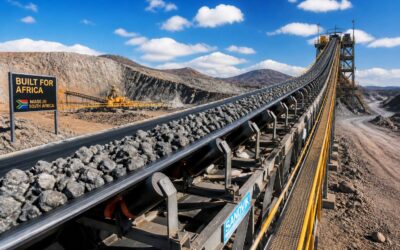
Understanding conveyor belts involves appreciating their versatility. They can be categorized based on their design, such as flat or inclined, with various materials tailored to specific industries. For some, the magic of the conveyor belt lies in its simplicity—yet behind that lies complex systems of pulleys, motors, and tensioning mechanisms that ensure smooth operation, especially in challenging environments like South Africa’s mining sectors.
Components of a Conveyor Belt – Overview of belts, pulleys, rollers, and frames
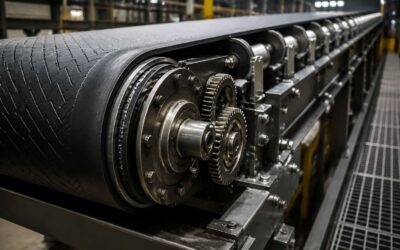
Peering beneath the surface of a conveyor belt reveals a complex orchestration of components working in unison to ensure seamless motion. At the heart of this system are the belts themselves—crafted from durable rubber, PVC, or specialty fabrics—to withstand the relentless demands of industry. But a conveyor belt meaning extends far beyond its apparent simplicity; it encapsulates an intricate synergy that drives productivity across South Africa’s mining, manufacturing, and logistics sectors.
Supporting this vital movement are pulleys, which serve as the guiding and driving force of the system, redirecting and tensioning the belt with precision. Rollers, positioned meticulously along the conveyor’s length, facilitate effortless movement, reducing wear and tear. Meanwhile, the conveyor belt frame provides structural integrity, holding all parts in alignment under the heavy loads encountered daily.
Understanding the conveyor belt components reveals an unexpected complexity. These elements must function harmoniously, regardless of environmental challenges, to uphold the conveyor belt meaning—an essential backbone that keeps industries marching forward with unwavering reliability. In an environment as demanding as South Africa’s mining corridors, every part—
- belts,
- pulleys,
- rollers,
- frames—
—plays a crucial role in translating the conveyor belt meaning into tangible operational success.
Types of Conveyor Belts – Different types such as roller, flat belt, modular, and incline belts
Within the vibrant industries of South Africa, the conveyor belt meaning encompasses far more than a simple rubber loop. It reflects an intricate network of specialized systems designed to handle diverse materials with precision. Different types of conveyor belts have emerged to meet the unique needs of various sectors, from the rugged demands of mining to the rapid pace of logistics. Each type plays a vital role in translating the conveyor belt meaning into tangible productivity and operational efficiency.
For heavy-duty applications, roller conveyor belts provide durability and ease of movement, making them ideal for transporting bulk materials. Flat belt conveyors, with their streamlined surface, excel in assembly lines and packaging industries. Modular belts offer versatility, allowing seamless repairs and customization, which is crucial for maintaining continuous workflow. Incline belts, on the other hand, are indispensable in environments where materials need to be lifted across different levels, saving valuable space and enhancing throughput.
- Roller conveyor belts—robust and reliable, perfect for large loads.
- Flat belts—smooth and versatile, suitable for delicate or precise operations.
- Modular belts—adaptable and easy to maintain, fitting various industry needs.
- Incline belts—enabling efficient vertical transportation in constrained spaces.
Understanding these variations deepens the appreciation of the conveyor belt meaning—each type engineered to serve a specific purpose, ensuring industries keep moving forward despite environmental challenges. In the heart of South Africa’s bustling mines and factories, the right choice of conveyor belt type can transform operations, making them more efficient, resilient, and vital to local economies.
Historical Development – Evolution of conveyor belt technology over time
The conveyor belt meaning has evolved significantly since its humble beginnings in the late 18th century. Once a simple, rudimentary system used to move goods from point A to B, conveyor belt technology now boasts remarkable sophistication that keeps industries spinning with efficiency. Over time, innovations such as motorized belts, tension controls, and specialized materials have transformed the conveyor belt from a basic rubber loop into an essential link in global supply chains.
The journey of conveyor belt development is a fascinating tale of ingenuity. The advent of vulcanized rubber in the 19th century paved the way for more durable belts, capable of handling heavier loads. As industries expanded—especially in South Africa’s bustling mining sectors—the conveyor belt meaning expanded to encompass diverse applications—each demanding certain features, whether ruggedness, precision, or space-saving designs.
By the mid-20th century, revolutionary advancements like modular conveyor belts and incline belts emerged, further elevating their importance. These technological strides have enabled industries to streamline operations, reduce downtime, and increase throughput, making the conveyor belt an unshakeable pillar of modern industrial infrastructure. The evolution continues as cutting-edge materials and smart automation keep pushing the conveyor belt meaning into the future of productivity and resilience—especially in resource-rich regions like South Africa.
The Meaning and Significance of Conveyor Belts in Industry
Role in Manufacturing and Logistics – How conveyor belts streamline processes and improve efficiency
Within the labyrinth of modern industry, the conveyor belt meaning transcends mere mechanical conveyance—it embodies a symphony of precision and efficiency that drives entire sectors forward. In South Africa’s bustling factories and sprawling logistics hubs, conveyor belts are the silent yet relentless heartbeat, orchestrating the seamless flow of goods and materials. Their significance lies not just in transporting objects but in transforming complex processes into streamlined operations that save time, reduce errors, and bolster productivity.
By integrating conveyor belts into manufacturing and logistics, industries unlock a cascade of benefits that ripple through their supply chains. They enable companies to handle higher volumes with minimal manual intervention, cultivating an environment where speed and safety coexist harmoniously. This integration often involves a strategic deployment of various types such as flat belt, modular, or incline conveyor systems—all tailored to specific operational demands. Ultimately, understanding the conveyor belt meaning extends beyond its physical form; it encapsulates a crucial pillar of industrial efficiency, shaping the future of manufacturing and logistics landscapes across South Africa and beyond.
Symbolic Interpretation – Metaphorical use of conveyor belts in business and daily life
The conveyor belt meaning extends far beyond the mechanical—a symbol woven into the fabric of modern industry and daily life. It represents the relentless march of progress, the unseen force propelling us through the complexities of production and commerce. In a broader sense, it mirrors the human condition: the continuous pursuit of movement, adaptability, and transformation.
On a symbolic level, conveyor belts embody the concept of inevitability. Life, much like a conveyor belt, often takes us along predetermined paths—sometimes unconsidered, but always with purpose. In business and personal pursuits, they’re a metaphor for routines and systems that keep the wheels turning, whether in factories or in our daily routines. Recognizing this deeper significance can inspire a new perspective on how we approach change and growth in an interconnected world.
- The conveyor belt meaning can be viewed as a reflection of our own journeys—steadily progressing, sometimes challenging, but always forward-moving.
- They remind us of the importance of efficiency, reminding us that even the smallest adjustments can lead to profound transformation.
In South Africa’s vibrant economy, the conveyor belt symbolizes resilience and innovation—integral to bridging gaps and fueling development. Its metaphorical significance resonates, emphasizing that our collective progress depends on synchronization, harmony, and relentless momentum—a true embodiment of industry’s heartbeat and human aspiration. The conveyor belt meaning, therefore, is not merely about transport; it is about the continuous flow of life’s pursuits, powered by purpose and perpetual motion.
Impact on Supply Chain Management – Enhancing connectivity and productivity
In the fast-paced world of industry, understanding the conveyor belt meaning reveals more than just a mechanical function; it uncovers a vital artery of economic vitality. As industries in South Africa evolve, conveyor belts become the backbone of supply chain management, seamlessly connecting raw materials to finished products. They elevate productivity by reducing manual labor and minimizing delays, ensuring that goods flow just-in-time from one stage to the next.
The conveyor belt meaning extends into the core of operational efficiency—making complex processes appear effortlessly synchronized. This harmony fosters resilience in our local industries, critical in a nation where every second counts. Whether in manufacturing or logistics, conveyor belts act as silent facilitators of growth, embodying continuous progress. Their ability to enhance connectivity impresses upon us the importance of integrated systems in a changing economic landscape.
In essence, the conveyor belt meaning is intertwined with the resilience and innovation of South Africa’s development journey. It embodies the relentless momentum needed to bridge gaps and propel industries forward—transforming raw effort into tangible achievements. Such significance is not lost on those who recognize that, beyond the machinery, conveyor belts symbolize a shared pursuit of progress and prosperity within our vibrant communities.
Economic Importance – Contribution to industry growth and industrialization
Few innovations in industry hold such quiet, relentless power as the conveyor belt, a symbol of movement and perpetual progress. Its meaning goes far beyond the mechanical—it’s the lifeblood of industrialization, pumping vitality through the veins of South Africa’s dynamic economy. In essence, the conveyor belt meaning embodies a bridge—streamlining flow, synchronizing efforts, and transforming raw potential into tangible productivity.
This unassuming yet essential machine contributes significantly to industry growth through its contribution to efficient production systems. By cutting delays and reducing manual labor, conveyor belts enable industries to scale rapidly, fostering a spirit of innovation and resilience. Their ability to create a seamless progression from raw materials to finished goods catalyzes industrial expansion, reinforcing the backbone of our economic landscape.
- Enhanced operational efficiency
- Minimized delays in production schedules
- Facilitation of large-scale industrialization
In this dance of machinery and human endeavor, the conveyor belt’s significance is unmistakable. It embodies the collaborative harmony essential to a thriving economy—an unyielding catalyst in the story of South Africa’s industrial journey. As industries evolve amidst global competition, the conveyor belt’s meaning echoes as a testament to innovation—transforming effort into momentum and hope into progress. Truly, it is an indelible thread woven into the fabric of our nation’s pursuit of prosperity.
Technical Aspects and Operations of Conveyor Belts
Working Mechanism – How conveyor belts operate and transfer materials
The conveyor belt working mechanism is an intricate dance of moving parts and precision engineering that transforms a simple concept into an essential industrial tool. At its core, this device relies on an endless loop of material—whether rubber, fabric, or specialized synthetics—wrapped around pulleys and supported by rollers. The conveyor belt meaning stretches beyond mere transportation; it embodies efficiency, innovation, and seamless material handling.
Understanding how conveyor belts operate reveals a fascinating blend of mechanics and timing. The belt is driven by motorized pulleys, which rotate smoothly to create a continuous loop. This movement allows materials to transfer effortlessly across vast distances—no matter the industry—ensuring rapid, reliable throughput. To maintain consistency, conveyor belts often employ tensioning systems and advanced sensors, keeping every transfer precise and synchronized.
In essence, the conveyor belt’s efficiency depends on several critical components working in unison:
- Motorized drive pulleys
- Supporting rollers and idlers
- Precisely aligned frames and tensioning systems
This combination of elements enables conveyor belts to handle an array of materials—from delicate items to heavy bulk commodities—making them indispensable across manufacturing and logistics sectors. The working mechanism is a testament to how basic principles of motion and mechanics can revolutionize industrial processes, highlighting the true depth behind the conveyor belt meaning.
Automation and Control Systems – Role of sensors, motors, and automation in conveyor systems
In the realm of modern industry, the conveyor belt meaning takes on a new dimension, blending precision engineering with the art of automation. At the heart of this mechanical symphony lie advanced control systems that orchestrate flawless movement and seamless material transfer. Sensors, for instance, act as vigilant sentinels; they monitor load levels, detect obstructions, and trigger adjustments in real-time, ensuring safety and efficiency.
The role of motors in conveyor systems cannot be overstated — they power the endless loop of the belt, providing the necessary torque for transporting everything from fragile components to hefty bulk materials. Automation, integrated through sophisticated Programmable Logic Controllers (PLCs) and sensors, promotes an almost magical fluidity in operations. For example, some systems utilize:
- Proximity sensors to detect the presence of items
- Weight sensors to manage load distributions
- Speed controls to optimize throughput
This harmonization of technological elements results in conveyor belts that are not just simple conveyors but intelligent systems capable of self-regulation and adaptability. Their function is akin to a hidden symphony, subtly guiding the flow of materials and forming the backbone of efficient manufacturing and logistical operations across South Africa and beyond.
Maintenance and Safety – Best practices for upkeep and safety protocols
In the intricate tapestry of industrial machinery, understanding the conveyor belt meaning extends beyond mere definition—it embodies a symphony of meticulous engineering and relentless innovation. As these systems grow increasingly sophisticated, their technical core demands rigorous maintenance and unwavering safety protocols to sustain optimal performance and safeguard human operators. The seamless fusion of precision components transforms a simple loop of material into a vital artery pumping productivity through manufacturing arteries across South Africa.
Proper upkeep is essential to preserving the efficiency and longevity of conveyor belts. Regular inspections for wear and tear, lubrication of rollers, and calibration of tension systems ensure that the physical integrity remains uncompromised. Maintaining alignment and monitoring belt tracking are fundamental steps that prevent catastrophic breakdowns and costly downtime. When taking safety into account, strict adherence to lockout/tagout procedures and prompt replacement of damaged parts are not optional but imperative.
Safety protocols extend to the operational environment as well. Establishing defined zones, using guardrails, and deploying emergency shut-off systems create a secure workspace. Here is an overview of best practices for conveyor belt maintenance and safety:
- Conduct frequent visual inspections for frayed edges or material buildup
- Implement a preventative maintenance schedule based on operational hours
- Train staff thoroughly in the correct handling and emergency procedures
The continuous dance of automation and manual oversight hinges on these vital routines, ensuring that the conveyor belt meaning remains associated not only with movement but also with resilience, safety, and operational excellence. It is this intricate balance that preserves their indispensable role in South African industry—silent guardians of progress!
Material Compatibility – Types of materials suited for different conveyor belt designs
Understanding the conveyor belt meaning goes far beyond its basic function. It’s about the sophisticated material science and engineering that make these systems reliable in South African industries. Different materials are chosen based on the specific demands of the application, ensuring longevity and efficiency. For example, heavy-duty rubber belts handle rough, abrasive loads, while lighter PVC belts are suited for packaging lines.
Material compatibility is crucial in selecting the right conveyor belt for each industry. Some belts are designed to transport food-grade products, requiring chemical resistance and non-toxic surfaces. Others are built for mining or construction, where high tensile strength and resistance to wear matter most. To streamline operations, manufacturers often use belts made from materials like polyurethane, nylon, or silicone, which cater to various operational needs.
Here’s a quick overview of types suited for different applications:
- Rubber belts: durable and flexible, ideal for rough materials and heavy loads.
- PVC belts: lightweight and resistant to chemicals, perfect for food and packaging industries.
- Modular belts: customizable and easy to repair, suited for complex routing systems.
Choosing the right conveyor belt based on material properties ensures optimal performance and minimizes downtime. In South Africa’s diverse industrial landscape, understanding the conveyor belt meaning is essential for selecting systems tailored to specific operational challenges, boosting efficiency and safety across sectors.
Applications and Future Trends
Industrial Applications – Usage in manufacturing, mining, agriculture, and food processing
In the bustling tapestry of industry, the conveyor belt meaning transcends mere machinery — it embodies the relentless pulse of productivity. This unassuming yet vital apparatus streamlines processes across sectors, from manufacturing to agriculture, underpinning the very foundation of modern supply chains in South Africa. The future of industrial applications is painted with innovation, as automation and control systems infuse conveyor belts with intelligence and precision.
In sectors such as mining and food processing, conveyor belts have become indispensable for their efficiency and safety. Their role in improving workflow is so profound that it often transforms entire industries. As technology advances, we anticipate the development of smart belts equipped with sensors and automation controls, ensuring seamless operation and predictive maintenance. The conveyor belt meaning, far from static, is evolving into a symbol of progress, linking industries closer to the promise of an illuminated industrial future.
Innovations and Advancements – Emerging technologies like smart belts and IoT integration
As industries in South Africa continually innovate, the conveyor belt meaning is shifting from simple machinery to a symbol of technological evolution. Emerging trends such as IoT integration are transforming traditional conveyor systems into intelligent networks that can communicate, predict issues, and optimize performance in real-time. This dynamic shift ensures that industries remain competitive, efficient, and agile in a rapidly changing landscape.
With advancements in automation, conveyor belts now feature sensors and control systems that enable predictive maintenance and enhanced safety protocols. These innovations not only extend the lifespan of the equipment but also minimize downtime, keeping supply chains flowing smoothly. The growing adoption of smart belts exemplifies a broader movement towards Industry 4.0, where seamless connectivity enhances productivity across sectors like mining, agriculture, and food processing.
- Sensor-enabled belts monitor material flow and detect blockages
- Automation systems adjust speeds based on real-time data to prevent overloading
- Intelligent systems facilitate remote diagnostics and troubleshooting
As South African industries harness these emerging technologies, the conveyor belt meaning becomes more than just a conveyor; it embodies the spirit of progress. Innovations in IoT integration prove that the conveyor belt is evolving into a sophisticated hub of connectivity and efficiency, heralding a more resilient and informed industrial future.
Environmental Impact – Eco-friendly materials and energy-efficient systems
As South African industries continue to evolve rapidly, the conveyor belt meaning has expanded beyond its traditional functions. Today, these systems are pivotal in promoting sustainable practices through the integration of eco-friendly materials and energy-efficient systems. Companies are increasingly adopting conveyor belts built from biodegradable composites and recycled materials, ensuring that operations are aligned with environmental stewardship. This shift not only reflects a commitment to reducing carbon footprints but also positions businesses as leaders in eco-conscious manufacturing.
Innovative automation paired with greener technology is transforming the landscape. For instance, energy-efficient motors and control systems optimize power consumption, significantly lowering operational costs and environmental impact. Moreover, the advent of smart belts equipped with sensors monitors material flow and detects inefficiencies before they escalate, fostering responsible resource management. Such advancements underscore a broader trend towards sustainability—making the conveyor belt meaning synonymous with progress and ecological mindfulness.
- Implementing eco-friendly materials to reduce waste
- Utilizing energy-efficient systems to conserve power
- Innovating with intelligent sensors to minimize resource consumption
As these developments unfold, the future of conveyor belt technology promises a resilient, cleaner, and more efficient industrial landscape across South Africa. The conveyor belt meaning now embodies not just operational excellence but a vital commitment to planetary health and sustainable growth.
Global Trends and Future Outlook – Predictions for the evolution of conveyor belt technology
The conveyor belt meaning has transcended its humble origins, evolving into a symbol of industrial resilience and ecological innovation. As industries in South Africa grapple with mounting environmental concerns, the future of conveyor belt technology beckons with promises of sustainability and efficiency. These mechanical serpents are no longer mere conveyers of goods; they are the harbingers of a greener tomorrow.
Global trends hint at an impending revolution—smart belts equipped with IoT sensors and energy-efficient motors are set to redefine material handling. Predictive maintenance, powered by intelligent automation, ensures seamless operation while minimizing waste and resource consumption. Such advancements craft a tapestry where industrial progress weaves harmoniously with planetary health. Future developments envisage ultra-lightweight, biodegradable composites that march in step with eco-conscious mandates, fortifying the conveyor belt meaning as a testament to technological sagacity.
- Incorporation of biodegradable and recycled materials to reduce environmental impact.
- Deployment of adaptive control systems that optimize energy use and prolong equipment lifespan.
- Integration of smart sensors that monitor operational efficiency and preempt failures, enhancing safety and sustainability.
Across borders, these innovations punctuate a narrative of resilience—one where the conveyor belt meaning embodies progress, not at the expense of nature but in tandem with it. The trajectory points toward an industrial landscape cloaked in cutting-edge, eco-friendly design, ensuring the durable heartbeat of South Africa’s manufacturing future remains both potent and green. As we cast our gaze forward, these marvels stand as silent witnesses to a transformation—shrouded in shadows yet blazing with the promise of renewal.

0 Comments