
Understanding Conveyor Belt Operations
Overview of Conveyor Belt Systems – Components and types of conveyor belts used in various industries
Understanding conveyor belt operations is vital for maintaining efficient flow within any industrial setting, especially in South Africa’s bustling mining and manufacturing sectors. A well-designed conveyor system can be the backbone of productivity, yet it requires a solid grasp of its components and the different types of conveyor belts used across various industries.
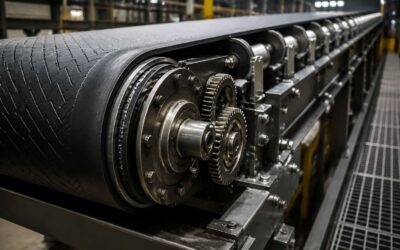
At its core, a conveyor belt system is composed of a belt, pulleys, rollers, a drive motor, and structural framework. Each part plays a crucial role in ensuring smooth and reliable movement of materials. There are multiple types of conveyor belts, including flat belts, modular belts, and cleated belts, which are chosen based on the nature of the product and the environment in which they operate. For example, in many South African mines, rugged and durable belts are necessary to withstand harsh conditions and heavy loads.
Effective conveyor belt training can empower workers to troubleshoot issues, perform routine maintenance, and uphold safety standards. When familiar with the various components and the specific types of conveyor belts used in industries, personnel can optimize system performance and reduce downtime. Understanding these nuances is vital for anyone committed to enhancing their conveyor belt expertise in this vital field.
Basic Principles of Conveyor Belt Mechanics – How conveyor belts function and move materials efficiently
Mastering the intricacies of conveyor belt operations hinges on a clear understanding of their fundamental mechanics. It may seem straightforward—belts move, materials shift—but beneath that simplicity lies a sophisticated dance of physics and engineering. Conveyor belts operate by harnessing the friction between the belt and the pulleys, which, when coordinated with the drive motor, ensures a seamless flow of materials.
In essence, the belt loops endlessly around pulleys and rollers, driven by a motor that converts electrical energy into rotational force. This force propels the belt forward, allowing items to be conveyed with minimal fuss or fussiness. Whether you’re managing bulk minerals in South African mines or packaging goods in manufacturing hubs, understanding these basic principles is vital.
Effective conveyor belt training transforms operators from mere observers into custodians of efficiency. With a keen grasp of how components like tensioners and rollers interact, workers can anticipate issues before they escalate, maintaining optimal system performance amidst the often unforgiving environments of industry. Recognizing the importance of these dynamics ensures that conveyor systems remain reliable conduits of productivity, not sources of costly downtime.
Common Applications and Industries – Logistics, manufacturing, mining, and other sectors utilizing conveyor belts
Across the vibrant landscapes of South Africa, conveyor belts form the silent arteries of industry, whispering efficiency through their continuous flow. These resilient systems find their heartbeat in diverse sectors, seamlessly linking the raw power of mining operations to the precision of manufacturing plants. From the sprawling gold mines of Gauteng to bustling warehouses in Durban, conveyor belts are indispensable, carrying everything from minerals to packaged goods with unwavering reliability.
In sectors such as logistics, conveyor belts orchestrate the symphony of movement, connecting ports and distribution centers with remarkable fluidity. Meanwhile, in manufacturing, they serve as the foundational stage for assembly lines—and in mining, they endure the harshest conditions to extract and transport precious resources. As the complexity of these systems grows, so does the importance of conveyor belt training, ensuring operators grasp not just the how but the why behind each component’s dance. Recognizing the versatility of conveyor belts across industries underscores the need for comprehensive training that transforms routine operation into mastery.
Safety Considerations in Conveyor Operations – Essential safety protocols and hazard awareness
In the realm of conveyor belt operations, safety is not merely a protocol—it is a moral imperative that safeguards lives and sustains productivity. With conveyor belt training, operators gain vital insight into hazard awareness and the potential risks lurking beneath seemingly routine tasks. In an industry where mechanical precision meets human vigilance, understanding the intricacies of conveyor systems becomes paramount.
Many accidents could be prevented if operators comprehensively grasp the importance of safety considerations in conveyor operations. Proper training illuminates key danger zones—entanglement points, pinch hazards, and moving parts that demand respect and caution. To reinforce safety, industry standards often recommend a focus on:
- Regular maintenance checks
- Proper lockout/tagout procedures
- Clear signage and safety barriers
Embarking on conveyor belt training isn’t just about learning how machinery works; it is a profound affirmation of human responsibility amidst the relentless march of automation. Recognizing potential hazards and fostering a safety-first mindset transforms routine conveyor operation into a guarded ritual—an act of care that echoes through every sector, from Durban’s warehouses to Gauteng’s mines. After all, safety is the silent core of every conveyor belt system, and mastering it is an act of unwavering dedication.
Essential Conveyor Belt Training Topics
Belt Inspection and Maintenance – Routine checks, identifying wear and tear, and preventive measures
In the bustling realm of conveyor systems, maintaining the integrity of your belt is the secret to seamless operations. Conveyor belt training reveals that routine inspection and diligent maintenance can dramatically extend the lifespan of these vital components. A vigilant eye can spot early signs of wear and tear—frayed edges, misaligned rollers, or unusual noises—that signal impending trouble. Addressing these issues promptly not only prevents costly downtime but also preserves safety standards.
Conveyor belt training emphasizes the importance of systematic checks. Regularly scheduled inspections should focus on areas prone to stress, such as pulley surfaces, splines, and belt tension. By cultivating a keen awareness of subtle anomalies, operators can implement preventive measures—like lubrication, belt tension adjustments, or component replacements—that keep the conveyor system performing at peak capacity.
Engaging in comprehensive conveyor belt training equips personnel with the know-how to identify potential faults before they escalate into serious threats. Remember, a belt in pristine condition is the backbone of productivity, and continuous vigilance is the key to unwavering efficiency on the factory floor.
Operational Procedures – Loading, unloading, and controlling conveyor belt systems properly
In the shadowed corridors of industrial machinery, where silent giants turn tirelessly, conveyor belt training emerges as the guiding light for operators navigating this intricate labyrinth. Proper operational procedures are more than mere protocols—they are an art form that safeguards the heartbeat of production lines across South Africa. Mastering the precise methods for loading and unloading ensures that material flow remains unbroken, preventing the sinister creep of jams and misalignments that can halt progress in an instant.
Controlling conveyor belt systems with finesse involves a deep understanding of system capacity, speed regulation, and emergency shutdown protocols. Ensuring a harmonious balance—like a conductor leading an orchestra—can avert catastrophic malfunctions. During conveyor belt training, personnel are immersed in the choreography of proper start-up and shut-down procedures, learning to anticipate and respond to anomalies with swift resolve. This comprehensive knowledge fortifies safety, optimizes throughput, and extends the longevity of the conveyor system, ensuring it remains a steadfast servant in your industrial saga.
In essence, conveyor belt training is the forge where expertise is crafted—transforming routine operators into vigilant guardians of their mechanical realm. And in this relentless pursuit of perfection, understanding the nuances of loading, unloading, and system control transforms routine maintenance into a ritual of mastery!
Emergency Stop and Safety Controls – Responding to operational issues and emergency procedures
Within the dynamic realm of conveyor belt training, mastering emergency stop and safety controls is paramount. An emergency situation demands quick thinking and exact response. Workers must know precisely how to engage emergency shutdowns swiftly to prevent accidents and damage. Training ensures operators understand the location and operation of emergency stop buttons, which are often strategically placed along the conveyor system for rapid access.
Responding to operational issues during conveyor belt training goes beyond pressing a button. It involves a comprehensive understanding of safety controls and protocols that keep everyone safe. For instance, operators are trained to evaluate and isolate faults without risking further damage or injury. This targeted approach minimizes downtime and sustains safety during unforeseen incidents. Here are crucial elements covered during conveyor belt training:
- Immediate activation of emergency stops.
- Communication protocols to alert team members.
- Assessment and confirmation of system shutdown.
- Safe procedures for restarting the conveyor once issues are addressed.
This systematic process not only elevates safety standards but also fosters a culture of vigilance and responsibility. In conveyor belt training, understanding safety controls becomes second nature, transforming potential hazards into manageable risks, and ensuring the longevity and dependability of your conveyor system in South Africa’s competitive industries.
Environmental Factors Affecting Conveyor Belts – Handling dust, moisture, temperature variations, and other environmental impacts
In the relentless rhythm of industrial operations, environmental factors exert a subtle yet profound influence on conveyor belts. Weathered by South Africa’s diverse climate, conveyors must withstand dust storms, seasonal moisture, and fluctuation in temperatures that can compromise their integrity. These elements, often underestimated, can accelerate wear and tear, leading to costly downtime if not properly managed. Understanding how dust, humidity, and temperature variations impact conveyor systems is crucial in conveyor belt training, transforming routine maintenance into strategic preventative care.
Dust accumulation, for instance, can impair the belt’s traction and lead to uncontrolled slippage, while moisture may cause corrosion, weakening critical components. Temperature swings can cause material expansion or contraction, risking misalignment or structural failure. Training programs designed around these environmental influences emphasize vigilant inspection and adaptive measures. For example, conveyor operators learn to recognize early signs of environmental stressors—such as belt fraying due to abrasive dust particles—allowing for targeted interventions that preserve operational efficacy.
Given the rugged terrains and climatic extremes of South Africa, integrating knowledge of environmental impacts into conveyor belt training is not merely advisable; it is imperative. When operators grasp the nuanced relationship between their operational environment and conveyor system health, they foster resilience. Such insight encourages proactive maintenance—an essential element to forestall expensive breakdowns. Ultimately, comprehensive conveyor belt training that encompasses environmental factors empowers teams to sustain seamless production while safeguarding assets from the relentless forces of nature.
Understanding Mechanical and Electrical Safety – Proper handling of belts, motors, and electrical systems
Ensuring the safety and efficiency of conveyor belt systems begins with comprehensive conveyor belt training focused on mechanical and electrical safety. These training programs equip operators with vital knowledge about handling belts, motors, and electrical components responsibly. Recognizing the potential hazards associated with these elements is essential in preventing accidents and prolonging system life.
Participants learn to perform proper inspections and troubleshoot electrical issues safely. For example, understanding the function of emergency stop controls and safety interlocks—integral parts of conveyor safety protocols—can make the difference between a swift response and costly downtime. An effective conveyor belt training program emphasizes vigilance, instructing workers to identify early signs of electrical faults or mechanical wear that could escalate if overlooked.
Incorporating elements such as
- correct handling techniques
- recognition of electrical risks
- safe troubleshooting procedures
empowers teams to uphold operational safety standards consistently. When safety awareness is woven into every facet of conveyor belt training, it doesn’t just protect equipment but also ensures personnel are shielded from harm—an investment that mirrors both prudence and professionalism in South Africa’s dynamic industries.
Designing Effective Conveyor Belt Training Programs
Target Audience and Skill Levels – Customized training for operators, maintenance personnel, and supervisors
Effective conveyor belt training is the cornerstone of operational excellence within industrial environments. Tailoring this training to the specific skill levels of staff—whether operators, maintenance personnel, or supervisors—ensures that everyone is equipped to handle their responsibilities with precision and confidence. Recognizing that each role demands a different level of technical understanding allows organizations to craft customized programs that optimize productivity and safety.
For instance, operators benefit from foundational conveyor belt training that emphasizes proper loading and speed management, while maintenance teams require more detailed instruction on belt inspection, fault diagnosis, and preventive maintenance strategies. Supervisors, on the other hand, need a comprehensive overview of operational oversight, safety protocols, and emergency response procedures. To accommodate these diverse needs, consider structuring your conveyor belt training with an emphasis on role-specific competencies, such as:
- Hands-on troubleshooting exercises for maintenance staff
- Operational safety standards for supervisors
- Routine inspection and reporting techniques for operators
By adopting a layered approach driven by the distinct requirements of each audience, organizations can foster a culture of safety, efficiency, and continuous improvement—essentials for thriving in South Africa’s competitive industrial landscape. Investing in a well-designed conveyor belt training program not only minimizes downtime and maintenance costs but also cultivates an environment where safety and operational integrity are prioritized at every level.
Training Methods and Techniques – Hands-on training, online modules, and classroom instruction
Designing an effective conveyor belt training program involves more than just classroom lectures; it’s about creating an immersive experience that engages every learner. To truly embed knowledge, a mix of various training methods and techniques is essential—each tailored to specific roles within your operation. Hands-on training remains the cornerstone, allowing personnel to practice real-life troubleshooting exercises on the conveyor belt system, fostering confidence and expertise. Meanwhile, online modules can deliver flexible, self-paced learning, ideal for reinforcing core safety and operational principles. Classroom instruction, on the other hand, provides a platform for detailed discussions and interactive demonstrations, ensuring comprehensive understanding.
Incorporating multiple approaches ensures that conveyor belt training appeals to varied learning styles. For instance, you might include an
- interactive simulation component
that allows maintenance teams to diagnose faults virtually before tackling actual belts. This layered training approach cultivates a competent and safety-conscious workforce, ready to meet the demands of South Africa’s dynamic industrial landscape without missing a beat!
Assessment and Certification – Measuring learning outcomes and certification processes
Assessing the effectiveness of conveyor belt training is an often-overlooked but vital component of building a resilient workforce. Measuring learning outcomes ensures that knowledge transfers from theoretical understanding to practical mastery. This can be achieved through a combination of practical tests, written assessments, and observation during on-site operations. Proper evaluation not only highlights areas for improvement but also boosts employee confidence in handling real-world scenarios.
Once personnel have demonstrated proficiency, a structured certification process provides formal recognition of their skills. Certification serves as a benchmark, verifying that individuals meet industry standards for safety and operational competence. In many industries, such certifications are also a prerequisite for operational authorization, creating an additional layer of compliance and safety. Common conveyor belt training certification programs include:
- Basic Safety Certification
- Advanced Troubleshooting Certification
- Electrical Safety and Maintenance Certification
Implementing rigorous assessment and certification mechanisms ensures your team remains adept, compliant, and prepared to meet the demands of South Africa’s vibrant industrial environment. It transforms conveyor belt training from a mere procedural obligation into a strategic asset, empowering your workforce for sustained operational excellence.
Implementing Continuous Learning – Refresher courses and updates on new technologies
Designing an effective conveyor belt training program requires more than just a one-time session; it’s about fostering a culture of continuous learning. In South Africa’s dynamic industries, technology evolves rapidly, and staying current is crucial for safety and efficiency. Implementing regular refresher courses ensures your team remains up-to-date with the latest safety protocols and operational procedures.
Continuous learning can be reinforced through scheduled updates on new conveyor belt technologies and innovations. Incorporating online modules or hands-on workshops allows staff to revisit key concepts and refine their skills. This approach not only enhances technical competence but also helps build confidence among operators and maintenance personnel. Remember, a well-trained team is your first line of defense against operational mishaps and safety hazards.
To truly embed a culture of ongoing development, consider structured training cycles such as:
- Periodic refresher courses tailored to different skill levels
- Updates on emerging conveyor belt safety standards
- Hands-on sessions addressing recent technological advancements
By continuously expanding their knowledge base, your workforce remains resilient, compliant, and capable of meeting the demanding requirements of South Africa’s bustling industrial landscape. Effective conveyor belt training becomes not just a procedural task, but a strategic asset that safeguards your operations and promotes a resilient, skilled team.
Utilizing Visual Aids and Manuals – Use of videos, diagrams, and manuals for better understanding
In the shadowed corridors of industry where the hum of machinery whispers a perpetual lullaby, conveyor belt training must transcend mere routine; it demands a keener eye, a sharper mind. Visual aids—such as videos, diagrams, and manuals—serve as lanterns guiding operators through the labyrinth of complex mechanics, illuminating unseen hazards with clarity and precision. These tools transform abstract concepts into tangible understanding, embedding safety protocols and operational intricacies into the subconscious.
Effective conveyor belt training leverages a blend of multimedia and traditional methods. Incorporating videos offers a visceral experience—bringing to life the rhythm of belts in motion, the delicate dance of pulleys, and the subtle cues that indicate impending failure. Diagrams dissect the components, illustrating the unseen forces at play. Manuals—composed with meticulous detail—stand as timeless tomes of knowledge, readily accessible for reference in moments of peril or curiosity.
For an even greater impact, consider these structured approaches:
- Utilize engaging videos to simulate real-world conveyor belt emergencies, enhancing recognition and response skills.
- Distribute detailed manuals for operators and maintenance staff, ensuring they carry a library of knowledge at their fingertips.
- Deploy diagrams that decode the complexities of belt tension, alignment, and mechanical safety, fostering intuitive understanding.
In South Africa’s bustling industries, where every second counts and safety is paramount, weaving visual aids into your conveyor belt training fortifies the knowledge fortress. When staff see, understand, and recall details vividly, safety and productivity become woven into the very fabric of their daily toil. For those who seek to elevate their conveyor belt training, embracing a visual and manual-centric approach is nothing short of essential—an enduring shield against chaos in the mechanical realm.
Regulatory Compliance and Best Practices
Industry Standards and Regulations – OSHA, ANSI, and other relevant safety standards
Regulatory compliance is the backbone of any effective conveyor belt training program. In South Africa, safety standards are reinforced by organizations such as OSHA and ANSI, ensuring that conveyor belt systems operate within strict safety parameters. Adhering to these standards not only minimizes workplace hazards but also promotes a culture where safety is non-negotiable.
Industry standards and regulations emphasize the importance of comprehensive conveyor belt training for all personnel involved. This includes detailed knowledge of electrical safety, mechanical maintenance, and emergency procedures. Incorporating these regulations into conveyor belt training guarantees that operators are equipped to handle typical operational challenges while complying with legal requirements.
- Safe operation and maintenance protocols
- Proper handling of emergency stop controls
- Regular inspection and hazard identification
- Environmental considerations such as dust and moisture control
- Electrical safety practices to prevent accidents
By integrating these best practices, organizations not only meet industry standards but also foster safer, more efficient conveyor belt systems. A well-structured conveyor belt training program grounded in compliance can dramatically reduce downtime and workplace incidents, creating a safer environment for everyone involved.
Documentation and Record Keeping – Maintaining training logs and safety compliance records
Reliable conveyor belt training isn’t just about safety—it’s an investment in operational excellence. One often overlooked aspect is meticulous regulatory compliance and comprehensive record keeping. These practices establish a verifiable trail that not only demonstrates adherence to safety standards but also enhances accountability across the workforce. Maintaining detailed training logs and safety compliance records ensures that every personnel member’s knowledge and skills are documented, facilitating audit readiness and continuous improvement.
In South Africa, adhering to industry standards like OSHA and ANSI is critical. Organizations that prioritize accurate documentation foster a culture of transparency and safety. For instance, a well-kept record of conveyor belt training sessions helps identify gaps in knowledge, enabling targeted refresher courses. Here’s how a typical conveyor belt training compliance system might be structured:
- Scheduling regular training sessions aligned with regulatory requirements
- Tracking attendance and understanding participant competency levels
- Recording incidents or hazards encountered during operations
- Monitoring updates in safety protocols and incorporating new standards into training curricula
Such diligent record keeping not only supports legal compliance but also cultivates an environment where continuous learning is embedded into everyday practice. Implementing an effective conveyor belt training regime with comprehensive documentation ultimately fortifies safety protocols, minimizes downtime, and ensures every worker operates with confidence and competence. These measures serve as the backbone of sustainable, safe conveyor system management across diverse industrial sectors.
Risk Management and Incident Prevention – Strategies to mitigate hazards and reduce downtime
In an era where operational downtime can swiftly translate into significant financial loss, mastering **conveyor belt training** becomes more than a safety measure—it’s a strategic imperative. Effective risk management and incident prevention hinge on rigorous compliance with regulatory standards, especially within South Africa’s diverse industrial landscape. By proactively identifying hazards and embedding safety protocols into daily routines, companies can avert costly accidents and enhance overall productivity.
One of the most impactful ways to mitigate hazards is through detailed documentation and continuous monitoring. Incorporating best practices such as regular inspection schedules and thorough record keeping not only helps meet industry standards like OSHA and ANSI but also facilitates early detection of potential issues. A systematic approach—using tools like hazard logs, maintenance checklists, and incident reports—creates a verifiable trail that supports compliance efforts and fosters accountability. This diligent process empowers teams to respond swiftly to emerging risks, reducing downtime and safeguarding personnel.
- Implementation of scheduled **conveyor belt training** programs tailored to the skill levels of operators and maintenance staff.
- Consistent review of safety procedures, incorporating updates in standards and technological advancements.
- Utilization of safety controls—such as emergency stops and sensors—in conjunction with operator training to prevent incidents before they occur.
Moreover, integrating risk management into the fabric of conveyor belt operations encourages a culture of continuous improvement. When every team member understands potential hazards and the importance of proper operational procedures, safety becomes an organic part of daily practice rather than an afterthought. Such a mindset minimizes incidents, reduces downtime, and preserves the integrity of the conveyor system, ultimately contributing to a safer, more efficient working environment.
Legal Responsibilities of Employers – Ensuring a safe work environment through proper training
In the realm of industrial mastery, ensuring legal compliance coupled with comprehensive conveyor belt training transforms mere operational procedures into an art form—an intricate dance that safeguards lives and optimizes productivity. Employers shoulder a profound legal responsibility to maintain a safe work environment, which unquestionably hinges on adherence to South Africa’s strict safety standards and international benchmarks such as OSHA and ANSI. These regulations are not simply bureaucratic hurdles; they serve as the backbone of sustainable industrial excellence.
Implementing best practices in conveyor belt training ensures personnel are equipped with the knowledge to identify hazards before they manifest into accidents. Recognizing the importance of continual education, many organizations adopt structured training programs that incorporate regular refresher courses and technological updates. Such initiatives help foster a culture where safety is embedded at every level—an essential trait when managing high-risk machinery.
- Proper documentation of training sessions and safety audits
- Routine maintenance logs and hazard assessments
- Certification of operators and maintenance personnel
In essence, conveyor belt training aligns seamlessly with legal frameworks, transforming safety protocols from tedious mandates into strategic tools. When employers embrace this philosophy, they forge resilient workplaces where compliance and safety go hand in hand—ultimately protecting assets, personnel, and the continuity of operations across diverse South African industries.
Leveraging Technology for Compliance – Use of e-learning platforms and digital monitoring tools
In the dynamic realm of industrial mastery, where machinery’s ballet demands both precision and vigilance, leveraging technology for conveyor belt training transcends simple knowledge transfer. Digital tools, like e-learning platforms, become the guiding lanterns illuminating the path to compliance, offering flexible, interactive, and immersive learning experiences. Such platforms break geographical barriers, ensuring operators across South Africa’s vast landscape can access up-to-date safety protocols and operational techniques from any device, at any time. Harnessing these technological marvels elevates safety standards and integrates compliance into the very fabric of daily operations.
Moreover, the adoption of digital monitoring tools — with their real-time data analytics — allows supervisors and safety officers to assess the effectiveness of conveyor belt training continuously. By tracking training progress, compliance status, and hazard identification metrics, organizations can swiftly address gaps, ensuring best practices become second nature rather than mere formalities. These innovations serve as silent sentinels guarding against operational peril and uphold the integrity of factory floors.
In this high-stakes symphony, an ordered rollout of conveyor belt training via e-learning modules or digital safety audits exemplifies the synergy of technological prowess and regulatory adherence. Such strategic deployment not only aligns with industry standards like OSHA and ANSI but elevates them — transforming compliance into a continuous, living process. Indeed, by embracing these cutting-edge tools, South African industries craft resilient, responsive workforces prepared for tomorrow’s challenges.


0 Comments