
Fundamentals of Conveyor Belt Design
Types of Conveyor Belts – Overview of different conveyor belt types (e.g., flat, modular, cleated) and their applications
Conveyor belt design isn’t just about aesthetics; it’s an intricate dance of functionality and engineering. With global industries demanding seamless productivity, understanding the various conveyor belt types becomes essential. Each style serves a unique purpose—some prioritize durability, others flexibility—tailoring solutions to specific operational needs.
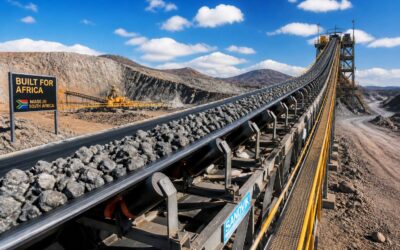
Among the most common are flat conveyor belts, renowned for their simplicity and broad application across industries like mining and manufacturing. Modular belts, on the other hand, excel in environments requiring easy maintenance and adaptability, often featuring interlocking segments that can be quickly replaced. Cleated belts, with their raised barriers, provide an efficient solution for inclined transport—crucial in industries handling bulk materials or transporting items over uneven terrain.
For precise conveyor belt design, the choice hinges on key factors such as load capacity, environmental conditions, and the nature of the items being transported. Recognizing these nuances ensures the conveyor system integrates seamlessly, boosting productivity and longevity—and that’s where expert design makes all the difference. Every type of conveyor belt has a story to tell, and choosing the right one could be the turning point for operational excellence in South Africa’s dynamic industries.
Material Selection – Choosing the right belt materials based on usage conditions such as temperature, load, and environment
In the intricate realm of conveyor belt design, material selection is the silent guardian of efficiency and durability. Every piece of product that rolls along depends on the resilience and adaptability of the belt beneath it. The environment plays a pivotal role; a belt exposed to South Africa’s scorching sun or corrosive coastal air demands materials that resist heat and humidity.
High temperatures can weaken standard rubber belts, causing premature failure, while abrasive applications require tougher compounds or specialized surface textures. Load capacity influences the choice as well—heavy-duty industrial settings require belts with reinforced carcasses and high tensile strength to withstand relentless pressure. For rough terrains or uneven surfaces, selecting a belt material with flexibility ensures smooth operation.
In some cases, a combination of materials is employed—such as fabric-reinforced rubber or polyurethane coatings—to optimize performance. Delightfully, there’s a specific set of considerations that drive these decisions, revealing the profound understanding behind effective conveyor belt design. Truly, choosing the right belt material becomes a moral act—one that aligns operational longevity with responsible resource use, vital for South Africa’s vibrant industries.
Design Considerations – Factors influencing belt width, length, and tension to ensure optimal performance
In the shadowed corridors of industrial innovation, conveyor belt design emerges as a delicate ballet of physics and artistry—a stark testament to engineering’s darker, more poetic essence. The true challenge lies in orchestrating the perfect harmony between belt width, length, and tension, ensuring that every movement is both relentless and graceful. These elements are not arbitrary but are dictated by a labyrinth of factors whispering their secrets in each calculated decision.
The width of a conveyor belt must encompass the breadth of its task—vast enough to carry the burden but restrained enough to maintain efficiency. Meanwhile, the length conjures a story of spatial constraints and operational reach, often meeting unforeseen obstacles that demand creative adaptation. Tension, the silent overseer, must be meticulously balanced—too tight, and the belt may shatter under the strain; too loose, and chaos ensues. To navigate this delicate equilibrium, consider these fundamental influences:
- Material weight and load distribution
- Speed and acceleration rates
- Environmental conditions—heat, humidity, and exposure to corrosive elements
In the moonlit depths of conveyor belt design, these considerations form the skeleton of a system that operationally teeters on the edge of the abyss—a testament to precise craftsmanship. Every inch, every tension adjustment, breathes life into an unseen choreography that powers industries in South Africa, echoing the dark poetry beneath each manufactured surface. In this shadowed realm, understanding the nuances of belt dimensions is not merely technical—it’s an art of survival amid relentless forces.
Key Components of Conveyor Belt Systems
Rollers and Pulleys – Design and material choices for rollers and pulleys to support smooth operation
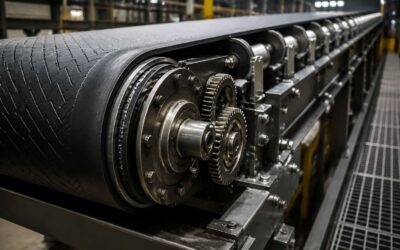
In the symphony of conveyor belt design, rollers and pulleys serve as the conductor’s baton, guiding the flow of movement with grace and precision. These essential components must be crafted from materials that balance resilience with adaptability, spanning from sturdy steel to composite versions that resist wear and corrosion in South Africa’s diverse climates. Properly designed, rollers cushion the belt, absorbing shocks and minimizing friction, ensuring the system’s smooth operation over countless cycles.
Choosing the right design for pulleys and rollers isn’t mere happenstance—it is an art rooted in understanding load distribution and environmental challenges. Consider these crucial factors when shaping your conveyor system:
- Material strength and durability
- Resistance to temperature fluctuations and corrosive elements
- Optimal diameter to reduce belt wear and improve efficiency
By focusing on these strategic design choices, engineers can optimize conveyor belt design to deliver unwavering performance across the rugged terrains of South Africa, transforming raw materials into a seamless, continuous flow of productivity.
Belt Drives and Motors – Selecting appropriate drive systems, motor sizes, and power requirements
In the realm of conveyor belt design, selecting the right belt drives and motors is the heartbeat of a reliable system. A misstep here can cause costly downtime, especially in the rugged terrains of South Africa. Power requirements must be meticulously calculated to match the load, ensuring the motor is neither overpowered nor underwhelmed. The appropriate motor size is crucial for maintaining consistent velocity and preventing belt slippage.
For seamless operation, many engineers prefer to use variable frequency drives (VFDs), allowing precise control over speed and torque. This control is vital for adapting to fluctuating material loads and environmental conditions. Additionally, opting for drive systems with robust gearing and sturdy housings ensures longevity amidst dust, heat, and moisture.
- Assess load weight and distribution accurately.
- Match motor power to operational demands.
- Implement controls for flexible, real-time adjustments.
By integrating these elements into your conveyor belt design, you guarantee a system that not only performs at peak efficiency but also withstands the harsh elements unique to South Africa. When it comes to belt drives and motors, precision isn’t optional — it’s essential for unstoppable productivity!
Frame and Structure – Designing a durable frame that maintains belt alignment and stability
In the complex world of conveyor belt design, the heart of a durable and efficient system lies in the frame and structure. South Africa’s rugged terrains and unpredictable weather demand a conveyor framework that can withstand the elements while maintaining belt alignment. A well-designed frame acts as the backbone, preventing sway and sag that can lead to costly downtime. It also plays a vital role in minimizing vibration, ensuring the conveyor runs smoothly even when handling heavy loads.
Key components such as sturdy steel or corrosion-resistant materials are often chosen to combat the country’s diverse climate conditions. Properly engineered support legs and cross-bracing provide stability, especially in industrial settings with challenging terrains.
- First, solidly anchored supports keep the belt aligned, reducing wear and tear over time.
- Second, adjustable idlers allow for real-time tension adjustments, ensuring seamless operation.
- Third, protective covers shield vital parts from dust, moisture, and debris—common adversaries in South African industries.
When these elements are harmonized within the conveyor belt design, the result is a resilient system that performs with unwavering consistency—ready to meet the demands of rugged landscapes and intense operational use. A stable, durable frame isn’t just a structural necessity; it’s the foundation of long-lasting reliability in conveyor systems tailored for South Africa’s unique environment!
Tensioning and Tracking Systems – Methods to maintain proper belt tension and track belt direction
In the meticulous craft of conveyor belt design, tensioning and tracking systems serve as the silent guardians ensuring longevity and operational harmony. These components are vital in maintaining the precise alignment of the belt, an essential factor in preventing costly downtimes. Proper tensioning ensures that the belt remains taut without exerting excessive pressure that could cause premature wear. Meanwhile, tracking systems keep the belt running straight, gracefully guiding it along the rollers and pulleys as it transports heavy loads across rugged terrains.
Achieving optimal belt tension can involve a variety of methods, from manual adjustment of motorized take-up systems to automated tension control that adapts in real-time. For South Africa’s unpredictable climate and challenging environments, resilient tensioning systems designed with durable materials make all the difference. Additionally, advanced tracking devices often incorporate optical or mechanical sensors, ensuring the belt stays aligned even under the most demanding conditions.
- Dynamic tension systems for fluctuating loads
- Precision tracking rollers for immediate correction
In the grand symphony of conveyor belt design, precision tensioning and tracking don’t merely keep the system alive—they elevate its performance, transforming a simple mechanism into an enduring symbol of industrial resilience. These systems, carefully integrated, ensure that the conveyor’s journey remains unwavering, whether navigating South Africa’s sprawling mines or intricate processing plants. After all, in this dance of steel and motion, mastery lies in maintaining balance and direction, even amidst chaos.
Advanced Conveyor Belt Design Technologies
Automation and Control Systems – Incorporating sensors and PLCs for real-time monitoring and adjustments
In today’s fast-paced industries, advanced conveyor belt design isn’t just about a belt that rolls; it’s about integrating cutting-edge automation and control systems that turn a simple conveyor into a smart, responsive marvel. Incorporating sensors and PLCs (Programmable Logic Controllers) allows real-time monitoring, which means handling unexpected glitches or performance dips is no longer guesswork—it’s a precise science. For manufacturers across South Africa, this technology ensures operations stay fluid, minimizing costly downtime.
Think of sensors as the conveyor’s vigilant lookout, constantly checking variables such as load weight, belt alignment, and even material properties. When a deviation is detected, PLCs spring into action—adjustments are made instantly. This symphony of automation enhances efficiency, accuracy, and safety. In fact, many industry leaders now deploy these sophisticated control systems to streamline workflows and boost productivity. Whether dealing with temperature-sensitive loads or ensuring slip-free operation, advanced conveyor belt design in automation integrates seamlessly with modern plant management systems.
Implementing these innovations might seem daunting, but the payoff includes a resilient, efficient, and highly adaptable conveyor system—an essential upgrade in today’s competitive landscape. With the right combination of sensors, PLCs, and smart control algorithms, conveyor belts become not just transporters but vital data-driven assets that reshape manufacturing and distribution across South Africa’s industries.
Custom Fabrication – Innovative customization options for specialized conveyor needs
In the realm of conveyor belt design, innovation hinges on bespoke solutions that cater to the unique demands of every industry. Custom fabrication transforms standard belts into marvels finely tuned to handle specialized tasks—whether it’s the handling of abrasive minerals, temperature-sensitive foods, or delicate electronics. Cutting-edge materials and precision engineering open doors to tailor-made conveyor belts that blend durability with flexibility, offering performance that seamlessly aligns with operational needs.
Imagine a conveyor belt masterfully crafted to navigate the complexities of your production line—incorporating elements like modular segments for easy maintenance or cleated surfaces for steep inclines. The magic lies in choosing the perfect combination of components to build a system that’s resilient yet responsive. This innovative customization provides a vital edge for South African industries, ensuring that conveyor belt design isn’t just about transport but about empowering efficiency and safety at every turn.
From bespoke frames and engineered tensioning systems to integrated automation controls, custom fabrication elevates conveyor belt design into a realm where form meets function. With the right partner, your conveyor system becomes a resilient artery seamlessly integrated into your plant — adaptable, intelligent, and ready for whatever challenge emerges. The future of conveyor belt design is a masterpiece of tailored ingenuity—crafted to elevate your operational narrative to new heights!
Energy Efficiency – Design strategies to minimize power consumption and improve sustainability
Harnessing advanced conveyor belt design technologies isn’t just about boosting productivity—it’s about pioneering a greener, more sustainable future. Innovative strategies now focus on drastically reducing power consumption while maintaining peak performance. By integrating energy-efficient motors and intelligent drive systems, companies can transform their operations into lean, eco-conscious engines of industry. The secret lies in precise engineering that minimizes unnecessary energy expenditure without compromising the belt’s robustness.
Optimizing the layout of conveyor belt systems through smart design choices can significantly impact energy savings. For example, employing variable frequency drives (VFDs) allows for adaptable speed controls, aligning power use with actual load demands. Additionally, using lightweight yet durable materials reduces the overall energy needed to operate the belt, a crucial consideration for industries aiming to enhance sustainability. Incorporating energy recovery systems—capturing and repurposing regenerative braking power—further exemplifies how thoughtful conveyor belt design leverages cutting-edge technology to serve tomorrow’s environmental standards.
From selecting the right components to fine-tuning the entire conveyor system, every detail contributes to a more energy-efficient operation.
- Smart sensors monitor belt load and performance in real-time
- Adaptive control systems adjust speeds dynamically
- Eco-friendly materials reduce the system’s carbon footprint
Harnessing these innovations positions South African industries at the forefront of sustainable manufacturing, all while ensuring conveyor belt design remains tailored to their unique operational landscape. As technology advances, the future of conveyor systems promises not just resilience and efficiency but also a profound commitment to environmental stewardship!
Durability Enhancements – Use of reinforced materials and protective coatings for extended lifespan
In the quest for conveyor belt design innovations that stand the test of time, durability remains paramount. Utilizing reinforced materials—such as steel cords, polyester fabrics, or aramid fibers—ensures the belt withstands rigorous operational demands. These robust components resist wear, tear, and environmental stressors, significantly extending the system’s lifespan. Protective coatings, including abrasion-resistant compounds and chemical sealants, add an extra layer of defense, shielding the belt from corrosive substances and mechanical abrasion.
Advanced conveyor belt design also incorporates the latest in material technology to boost resilience. For instance, belts embedded with composite layers distribute stresses evenly, preventing localized fatigue. Moreover, selecting belts with enhanced tensile strength means reduced downtime and maintenance, ultimately leading to more sustainable operations. Seamless integration of these durable materials transforms conveyor systems into enduring workhorses, tailored to South Africa’s rugged industrial landscape.
- Reinforced cores for structural integrity
- Specialized protective coatings for environmental resistance
- High-tensile fibers to handle heavy loads
Incorporating these innovations in conveyor belt design not only elevates performance but also champions environmental sustainability. The longevity of belt materials reduces waste and resource consumption—an essential consideration for industries committed to greener practices. As conveyor technology continues to evolve, these durability enhancements remain at the forefront of designing resilient, eco-conscious systems capable of meeting South Africa’s diverse operational needs.
Design Best Practices and Safety Compliance
Standard Regulations and Certifications – Overview of industry standards, OSHA requirements, and safety certifications
When embarking on conveyor belt design, aligning with safety compliance standard regulations is paramount. Industry standards such as those outlined by OSHA ensure that every conveyor system maintains a high level of safety, minimizing hazards in bustling industrial environments. Adhering to these standards is not just a legal requirement but a moral obligation to safeguard workers and optimize operational efficiency.
Certifications like ISO 14121 provide a clear framework for safety in conveyor belt design, emphasizing risk management and safety features that prevent accidents before they happen. In South Africa, compliance with local regulations such as the Mine Health and Safety Act further bolsters safety protocols, making sure that the conveyor system adheres strictly to national standards.
Comprehensive safety in conveyor belt design involves integrating protective guarding, emergency stops, and proper signage—each essential to a secure operational environment. Additionally, implementing regular safety audits and staff training underpins a culture of vigilance. By weaving safety considerations into every aspect of the design process, manufacturers can not only meet industry regulations but also craft conveyor systems that stand the test of time and usage.
User-Friendly Design – Ensuring ease of maintenance, operation, and troubleshooting
In the realm of conveyor belt design, simplicity often conceals profound complexity. A user-friendly system isn’t just about efficiency—it’s about embedding safety into every movement, every interface. When conveyor belts are intuitive to operate and easy to maintain, the risk of mishap diminishes drastically. This isn’t just a technical choice; it’s a moral stance rooted in the profound responsibility we hold for those who work alongside these systems.
Design best practices emphasize clear, accessible controls, straightforward troubleshooting procedures, and modular components that simplify repairs. Consider incorporating features such as easily reachable emergency stops and visually comprehensible signage—details that can make the difference between a safe shutdown and a catastrophe.
- Prioritize ergonomic placement of controls
- Use durable, corrosion-resistant materials
- Ensure maintenance points are accessible without disassembling entire sections
Safety compliance isn’t a mere checklist—it’s an ethos woven into the very fabric of conveyor belt design. A system that promotes ease of maintenance and operation inherently fosters safer workplaces. When work environments are designed with the human element in mind, the entire operation aligns more harmoniously with regulatory standards and moral imperatives. After all, the purpose of these systems extends beyond mere productivity; they should embody a commitment to human well-being—every belt, every pulley, every safety feature a testament to conscientious engineering.
Safety Features – Integration of emergency stops, guards, and warning systems
In the intricate symphony of conveyor belt design, safety features serve as the silent guardian, transforming functional machinery into a sentinel of well-being. Integrating emergency stops, guards, and warning systems is paramount—these elements act as safeguards that can prevent mishaps before they escalate. A well-designed emergency stop, reachable and clearly marked, can be the difference between a minor hiccup and a catastrophic accident.
Thoughtfully designed guards and warning signs are not mere accessories but vital cogs in ensuring workplace safety. By embedding visual cues and tactile feedback into conveyor belt design, operators are guided seamlessly, reducing errors and mishaps. Incorporating safety sensors that automatically halt operation when anomalies are detected elevates the safety protocol to an entirely new level.
- Placement of emergency stops within arm’s reach.
- Use of corrosion-resistant, durable materials for safety guards.
- Visual and auditory warning systems for real-time alerts.
Such safety features reflect a holistic approach—moving beyond compliance to foster a culture of safety. When the engineering behind conveyor belt design seamlessly weaves safety into every component, it creates a resilient environment where efficiency and human well-being stride side by side like dance partners in harmony. In South Africa’s bustling industrial landscape, prioritizing these safety elements isn’t just a regulatory checkbox—it’s a commitment to safeguarding lives, one thoughtfully designed conveyor belt at a time.
Cost-Effectiveness – Balancing performance with budget considerations for optimal ROI
Achieving the perfect balance between performance and cost-efficiency in conveyor belt design is both an art and a science. Every South African industrial site faces unique challenges, from rugged terrain to fluctuating energy costs, making it essential to optimize safety compliance without inflating expenses. Smart design choices can dramatically enhance ROI while safeguarding worker well-being. Prioritizing durable materials and choosing scalable automation systems reduces long-term maintenance costs and downtime, ensuring smooth operations across diverse environments.
One way to optimize cost-effectiveness is to implement a holistic approach in conveyor belt design. Consider integrating safety features seamlessly into the machinery—such as corrosion-resistant guards and accessible emergency stops—thus reducing potential accident costs and legal liabilities. An investment in quality, resilient components upfront often pays dividends in the long run, decreasing the frequency of repairs and replacements. This strategic approach ensures that safety is not an afterthought but woven into the very fabric of the conveyor system.
Balancing these factors requires careful planning. A thoughtful selection of belt types, materials, and automation components can dramatically improve operational efficiency while staying within budget constraints. For many businesses, aligning safety regulations with cost parameters isn’t just about compliance—it’s about cultivating a resilient supply chain, where productivity and safety work hand-in-hand. In the end, meticulous conveyor belt design paves the way for sustainable, cost-effective operation that stands the test of time.

0 Comments