
Types of Conveyor Belting Materials
Rubber Conveyor Belts – Characteristics, Advantages, Common Applications
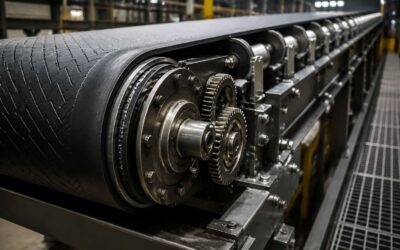
Rubber conveyor belts are the stalwart warriors of industrial logistics, embodying resilience and adaptability. Their natural toughness, combined with a flexible demeanor, makes them a preferred choice for a myriad of applications in South Africa’s dynamic manufacturing landscape. From the bustling mines to large-scale food processing plants, these conveyor belting materials consistently demonstrate their robustness—abrasion resistance and shock absorption being their hallmark traits.
One of the core advantages of rubber conveyor belts lies in their ability to be customized for specific operational demands. Whether it’s high impact zones or corrosive environments, rubbers can be engineered with unique compounds to withstand extreme conditions, extending the lifespan of your conveyor system. Their versatility is further showcased in the broad spectrum of industries that rely on them, including mineral extraction, packaging, and agriculture.
- Excellent grip and minimal slippage
- High tensile strength and elasticity
- Resistance to tearing and wear
Investing in the appropriate conveyor belting material is not merely a matter of capacity but a strategic decision that influences efficiency and operational costs. Rubber conveyor belts persist as a cornerstone of this delicate balance, seamlessly blending durability with adaptability in South Africa’s ever-evolving industrial fabric. The right choice ensures a resilient and reliable conveyor system that stands the test of time.
PVC and PU Belts – Durability, Flexibility, Industry Uses
In the vibrant corridors of South Africa’s bustling industries, PVC and PU conveyor belting materials stand out as marvels of modern engineering. Their remarkable combination of durability and flexibility makes them indispensable in versatile environments, from delicate food handling to rugged packaging lines. These conveyor belting materials are designed to endure the rigors of daily use, resisting tearing and excessive wear, which directly translates to longer operational life and reduced downtime.
Unlike their rubber counterparts, PVC and PU belts offer unparalleled ease of cleaning and hygienic advantages—crucial for industries like food processing and pharmaceuticals. Their smooth surfaces also minimize material buildup, enhancing efficiency. For example, in food manufacturing plants, they effortlessly glide products along with minimal slippage, thanks to their excellent grip qualities.
- Food processing
- Pharmaceutical and packaging applications
- Lightweight transport systems
What truly sets these conveyor belting materials apart is their adaptability to different industry needs. Whether subjected to high impact zones or chemical exposure, PVC and PU belts can be tailored to withstand extreme conditions, exemplifying their role in optimizing conveyor systems across South Africa’s diverse industrial landscape. It’s this harmony of resilience and flexibility that makes PVC and PU conveyor belting materials the ideal choice for future-forward operations.
Leather and Fabric Belts – Traditional Uses, Strengths, Limitations
Among the longstanding contenders in the realm of conveyor belting material, leather and fabric belts have held a revered place—woven into the fabric of industries with their timeless strength and versatility. These traditional materials are celebrated for their excellent load-bearing capabilities, making them ideal for heavy-duty applications where robustness is paramount. Their natural resilience and durability have seen them remain relevant even amidst advanced synthetic options.
However, their limitations cannot be overlooked. Leather and fabric belts often lack the flexibility required for intricate or high-speed systems, and their susceptibility to moisture and chemical damage can hinder longevity in certain environments. Despite these challenges, their role in specific niche markets remains unwavering, especially where classic craftsmanship and reliability are valued. For those seeking a distinctive match for their conveyor belting material, understanding these characteristics is essential for crafting a system that is both efficient and enduring.
- Strong load-bearing properties
- Traditional, reliable performance
- Suitable for specific, controlled environments
Metal and Steel Belts – Heavy-Duty Applications, Fire Resistance, Customization
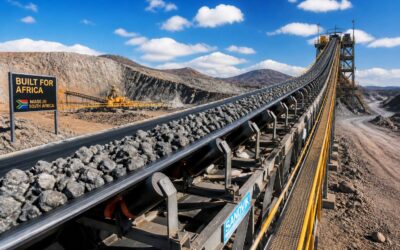
In the grand tapestry of conveyor belting material, metal and steel belts emerge as the titanic guardians of industry’s most demanding tasks. Their strength and resilience are legendary—able to withstand the relentless grind of heavy-duty applications—making them indispensable in environments where durability is a matter of necessity. From mining operations to steel mills, these belts are crafted to bear colossal loads while maintaining unwavering performance.
Fire resistance is another paramount trait of metal and steel conveyor belting material. The inherent heat resilience of these belts ensures safety and integrity even in the harshest conditions. For industries requiring bespoke solutions, steel belts can be highly customizable, allowing for tailored configurations that fit unique operational needs. Whether it’s fine-tuning the mesh apertures or engineering specific thicknesses, the versatility of these conveyor belting materials is truly remarkable.
- Custom designs tailored to specific industrial requirements
- Superior fire resistance for hazardous environments
- Enhanced longevity under high-temperature conditions
Factors Influencing Conveyor Belting Material Selection
Load Capacity and Tonnage – Determining Belt Strength, Material Choices
At the heart of every successful conveyor system lies a nuanced dance between load capacity and belting material strength. That delicate balance often dictates how efficiently operations unfold, especially when facing the unpredictable demands of industries across South Africa. They say the strength of a conveyor belting material can be measured not just in pounds but in potential—potential to move mountains or gentle streams with equal grace.
Choosing the right conveyor belting material hinges on understanding the tonnage that needs to be transported. Heavy-duty applications, for example, might require a composite or steel core to ensure durability and prevent deformation under immense load. Conversely, lighter tasks could benefit from reinforced fabric or even specialized PVC or PU belts, known for their flexibility and resilience.
Factors influencing this choice include the nature of the material transported, environmental conditions, and the expected lifespan of the belt. The right selection ensures that the conveyor system doesn’t merely perform but thrives—transforming raw weight into seamless motion.
Environmental Conditions – Temperature Resistance, Humidity, Chemical Exposure
Environmental conditions exert a significant influence on the selection of conveyor belting material. In South Africa’s diverse climate, belts must withstand fluctuating temperatures that can range from scorching deserts to chilly high-altitude regions. High temperatures can cause certain conveyor belting materials, like rubber or PVC, to soften or degrade, leading to premature failure. Conversely, cold conditions may make some belts brittle and prone to cracking.
Humidity and chemical exposure further complicate the choice. Humid environments accelerate wear and promote mold growth on organic materials, while chemical agents—such as acids, solvents, or industrial cleaners—can corrode or weaken the belt’s surface. When selecting conveyor belting material for challenging conditions, it’s crucial to prioritize options with notable temperature resistance and chemical durability. For example, metal or steel belts often excel here because of their extraordinary resilience, but for more flexible solutions, specialty PVC or PU belts engineered for harsh environments are also effective. Ultimately, understanding the specific environmental factors ensures the conveyor system performs reliably, regardless of what nature or industry throws its way.
Material Compatibility – Product Types, Friction Considerations, Hygiene Requirements
In the shadowy labyrinth of industrial necessity, selecting the perfect conveyor belting material resembles choosing the right armor for an unforgiving battlefield. It’s not merely about durability; it’s about harmony with the product, environment, and purpose. The symphony of factors—product types, friction considerations, and hygiene requirements—dictates a decision that resonates beyond mere strength. Each item transported demands a tailored approach, whispering secrets about its nature and the environment it will survive in.
For instance, when conveying foodstuffs or pharmaceuticals, hygiene is paramount. Belts with smooth, non-porous surfaces ensure no morsel or contaminant lingers in the crevices, safeguarding purity. Meanwhile, in heavy-duty industries dealing with abrasive materials, the friction considerations might lean toward more robust, textured conveyor belting material, designed to grip without slippage. Sometimes, a simple list suffices to reveal the core factors:
- Product compatibility — delicate against heavy-duty
- Friction requirements — ensuring movement without slippage
- Hygienic standards — preventing contamination and facilitating sanitation
In the end, choosing the right conveyor belting material becomes an act of balancing the intricate dance between function and environment, forging a path through the dark corridors of industrial necessity while ensuring seamless, relentless operation. The unseen power of this choice quietly fuels the pulse of industry, echoing in every processed product and every whispered movement across the conveyor’s course.
Cost and Budgeting – Initial Investment, Maintenance Costs, Longevity
Choosing the right conveyor belting material isn’t just an operational decision – it’s a strategic investment. In industries where uptime is critical, understanding the costs associated with different belting options can determine the success of your operation. Initial investment is often the first consideration. Some conveyor belting material, like steel belts, might have a higher purchase price but deliver unmatched durability for heavy-duty tasks.
Maintenance costs also play a pivotal role. Belts with complex surfaces or porous textures often require frequent cleaning or repairs, driving up expenses. Conversely, a conveyor belting material with a smoother surface can reduce downtime and maintenance effort, resulting in long-term savings. Longevity is equally vital. A belt engineered to withstand harsh conditions without premature wear keeps replacement cycles at bay and improves overall productivity.
For many operations, it’s about finding a balance. Here’s a quick look:
- Initial purchase price
- Maintenance and repair costs
- Estimated lifespan and durability
Aligning these factors ensures choosing a conveyor belting material that delivers value, reduces operational risks, and supports seamless industry flow. Every dollar spent on quality belting translates into fewer disruptions and more efficient throughput, especially in demanding environments where every second counts.
Innovations and Trends in Conveyor Belting Material
Eco-Friendly and Sustainable Materials – Recyclable Belts, Green Manufacturing Practices
In a world increasingly attuned to the delicate balance of our environment, innovations in conveyor belting material are transcending mere functionality. Today’s industry leaders champion eco-friendly and sustainable materials, acknowledging that responsible manufacturing is no longer optional but essential. Recyclable belts, crafted from advanced polymers or biodegradable composites, exemplify this shift—reducing landfill waste while maintaining operational resilience.
Green manufacturing practices have become a vital component of modern conveyor belting material development. Companies are integrating energy-efficient processes, using non-toxic substances, and prioritizing the circular lifecycle of their products. This not only aligns with global environmental standards but deeply resonates with a conscientious workforce and client base. As sustainability becomes a competitive edge, the evolution of conveyor belting material reflects a pursuit that marries efficiency with moral integrity.
Advanced Composites – Enhanced Durability, Reduced Maintenance
In the ever-evolving tapestry of conveyor belting material innovations, advanced composites have emerged as pioneers in durability and reduced maintenance. These cutting-edge materials are crafted with a meticulous blend of high-performance fibers and resins, forging belts that resist the relentless march of wear and tear. As a result, operational lifespan extends dramatically, transforming traditional expectations of conveyor systems in South Africa’s bustling industries.
Envision belts that not only sustain their integrity amid abrasive substances but also whisper secrets of self-healing resilience. It’s within this realm that new composite formulations flourish—bringing superior impact resistance and flexibility. Companies are now turning to these marvels of engineering, which require less frequent repairs and replacements, ultimately lowering downtime and operational costs. Moreover, the adoption of such advanced composites signals a movement toward sustainability, as they maximize efficiency while minimizing waste.
For those seeking to understand the pulse of modern conveyor belting material, considered improvements include:
- Enhanced impact absorption capabilities
- Reduced friction for smoother operational flow
- Extended service life with minimal maintenance
As industries in South Africa harness these innovations, conveyor belting material stands at the forefront of marrying high performance with ecological mindfulness, promising a future where resilience and responsibility walk hand in hand through the conveyor corridors of progress.
Smart Conveyor Belts – IoT Integration, Monitoring Capabilities
Quantum leaps in conveyor belting material are reshaping the industrial landscape, especially as smart technology begins to weave itself into every chain of operation. IoT integration is not merely an accent; it’s a revolution that offers unparalleled monitoring capabilities, giving companies an almost prophetic eye into their conveyor systems. Imagine a belt that signals the moment it sustains an impact crack or when its tension begins to falter—preemptive insights that prevent breakdowns before they happen.
These innovative conveyor belting materials are equipped with sensors embedded within the fabric, creating a network of real-time data streams. Such technology allows for dynamic adjustments—altering speed, tension, or even alerting maintenance crews—ensuring operational continuity. It’s akin to giving a conveyor belt a nervous system, elevating it from a simple mechanical component to a vigilant sentinel of productivity.
- Automatic alerts for preventive maintenance
- Data-driven decisions improving overall efficiency
- Extended lifespan through proactive care
In South Africa’s fiercely competitive industries, integrating these sophisticated conveyor belting systems is no longer optional but essential. As resilience and adaptability become survival imperatives, the marriage of IoT and conveyor belting material ensures that industries do not just keep pace—they lead the charge into a future where innovation and insight converge seamlessly.
Custom-Engineered Belts – Tailored Solutions for Niche Industries
In a world where industries are constantly pushed to the edge of innovation, custom-engineered conveyor belting material stands tall as a game-changer. No longer are uniform solutions sufficient to meet the unique demands of niche industries—whether it’s food processing, pharmaceuticals, or specialized mining operations. Tailored conveyor belts fit precisely to the specifications, offering optimal performance, longevity, and safety. These bespoke solutions are transforming how South African industries optimize workflows and reduce downtime.
Today’s conveyor belting material is engineered with laser focus on environmental conditions, load distribution, and hygiene standards. Recognizing this, manufacturers are embracing advanced composites and niche-specific rubber compounds that adhere to strict industry criteria. Some conveyor belting materials even feature antimicrobial surfaces or fire-resistant coatings, catering to health-conscious and safety-critical sectors.
- Understanding the tailored needs of a niche industry
- Collaborating with specialists to design the perfect belt
- Implementing advanced materials to extend durability
From chemical-resistant belts for hazardous environments to lightweight, flexible options for rapid product turnover, customized conveyor belting material is leading the charge in South Africa’s industrial evolution. This focus on specificity ensures that operational hiccups are minimized and productivity maximized, proving that when it comes to conveyor belts, one size most definitely does not fit all.
Maintenance and Safety Considerations
Proper Inspection and Replacement – Signs of Wear, Maintaining Efficiency
In the labyrinth of industrial processes, conveyor belting material assumes a pivotal role, weaving efficiency and safety into the very fabric of operations. Did you know that over 70% of conveyor system failures are linked to inadequate maintenance? This stark reality underscores the importance of vigilant inspection and timely replacement. A worn-out conveyor belting material not only hampers productivity but also poses safety risks that can jeopardize personnel and equipment alike.
Ill-maintained conveyor belts exhibit a litany of telltale signs—frayed edges, glazing, or any cracks—each a whisper of impending failure. Recognizing these signs early, through proper inspection, allows for preemptive action—an essential safeguard for keeping operations seamless. Regular checks should be complemented with a vigilant eye for alignment issues or uneven wear, which can diminish efficiency and escalate operational costs.
Maintaining the efficiency of conveyor belting material also involves strategic replacement before the material succumbs to thorough degradation. A proactive approach not only minimizes downtime but extends the lifespan of the conveyor system. In environments where extreme temperatures or chemical exposure are part of everyday life, selecting a conveyor belting material that withstands these conditions is crucial. Only then can a plant sustain its rhythm without disruptive interruptions or safety hazards—truly a testament to vigilant maintenance practices and the enduring resilience of quality conveyor belting material.
Safety Standards and Regulations – ISO, OSHA Guidelines
Safety standards and regulations are the backbone of reliable conveyor belting material performance. In South Africa’s industrial landscape, adherence to ISO and OSHA guidelines is not optional but essential. These standards ensure that conveyor systems operate within strict safety thresholds, reducing risks to personnel and equipment alike. Compliance with such regulations promotes a safer working environment and helps businesses avoid costly penalties.
Part of maintaining safety involves regular audits and inspections—tools that help identify potential hazards early. The conveyor belting material itself must meet specific criteria for fire resistance and chemical exposure to prevent accidents. Following a structured safety framework, such as the ISO 9001 quality management system, guarantees the conveyor belting material’s consistency and durability. In addition, up-to-date OSHA guidelines emphasize proper guarding, lockout/tagout procedures, and hazard communication, all critical components in managing conveyor system safety effectively.
- Conduct routine safety inspections using established checklists.
- Ensure conveyor belting material selection aligns with industry safety standards.
- Train personnel in proper handling and emergency protocols.
When safety standards are woven into daily operations, the risk of conveyor-related incidents diminishes substantially. This proactive approach bolsters not just compliance but fosters a culture of safety where conveyor belting material plays a critical role—delivering peace of mind and operational continuity in South Africa’s demanding industrial sectors.
Cleaning and Upkeep – Methods for Different Material Types
Effective maintenance of conveyor belting material is not just a matter of routine; it is a vital pillar in anchoring operational integrity and safety in South Africa’s demanding industrial environments. Regular cleaning and meticulous upkeep prevent accumulation of debris, which can subtly erode the belt’s surface and lead to premature wear or failure. Each material type demands a tailored approach—what works for a rubber conveyor belt may prove detrimental for a PVC or PU belt. For softer synthetic fabrics, gentle brushing and mild detergents suffice, ensuring that the material’s innate flexibility remains uncompromised. Conversely, heavy-duty steel or metal belts require more rigorous cleaning regimes—using industrial-grade solvents or pressure washing—carefully balancing thoroughness with preservation of mechanical properties.
Instituting a structured cleaning protocol is essential; it should encompass detailed checklists that specify inspection points such as tension irregularities, fraying, or chemical degradation. In environments laden with chemical exposure, anti-corrosive treatments or specialized detergents safeguard the longevity of the conveyor belting material. Flexibility in cleaning methods enhances the belt’s resilience, ensuring minimal downtime. An ordered sequence—such as detaching the belt safely, clearing debris, and inspecting critical components—becomes the backbone of effective upkeep. As conveyor systems are the arteries of South Africa’s industrial spine, preserving their vitality through appropriate cleaning methods isn’t just about compliance; it’s about safeguarding operational excellence.
Troubleshooting Common Issues – Belt Misalignment, Slippage, Abrasion
Operating conveyor systems in South Africa’s industrial landscape isn’t for the faint-hearted—and a big part of keeping them running smoothly involves troubleshooting common issues with your conveyor belting material. Belt misalignment is a frequent culprit, often caused by uneven load distribution or an overzealous technician who misreads the tension gauge. When the belt sneaks sideways, productivity drops faster than a sunbaked conveyor in the Karoo. Addressing this involves realigning the conveyor and verifying that pulleys and rollers are properly calibrated.
Slippage, another nemesis, typically hints at inadequate tension or contaminated conveyor belting material. The belt simply refuses to “stick,” causing delays and potential damage. Regular inspections of tension levels and cleanliness are essential, especially in environments where dust or chemical exposure is prevalent. Abrasion, the slow but relentless erosion of the belt surface, signals that the conveyor belting material is either too soft for-grade applications or subjected to excessive friction. When detected early, the situation warrants a thorough assessment of the material choices and operational practices.
- Identify the root cause—be it misalignment, slippage, or abrasion.
- Adjust tension or realign pulleys while ensuring safety protocols are strictly followed.
- Replace worn sections of the conveyor belting material to prevent catastrophic failures.
- Document findings; continuous monitoring keeps the system in check like a vigilant watchdog.
Keeping these common issues at bay involves more than just throwing parts at the problem; it requires a strategic approach to maintenance and a keen eye for signs of deterioration. After all, conveyor systems are the silent workhorses powering South Africa’s industries—neglect them, and they’ll grind to a halt faster than a mining truck on a steep incline.

0 Comments