DCM LINE BORING is a Mining equipment establishment in Steve Tshwete Local Municipality, Mpumalanga, South Africa
DCM Line Boring: Summary of Services and Customer Experience
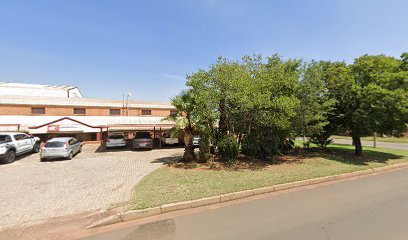
DCM Line Boring, established in 1988 and based in Middelburg, Mpumalanga, South Africa, has built a solid reputation within the mining community for delivering customer‑specific, on‑site engineering and repair solutions. The company emphasises a skilled workforce, an experienced management team, and a commitment to high standards of service excellence. The premises are located at the corner of Zuid and Gram in Industria, Middelburg, with ongoing operations focused on serving local and regional mining and earthmoving clients.
Core offerings are designed to support the maintenance, refurbishment, and extension of the life of heavy machinery used in mining and related sectors. A defining feature of DCM Line Boring’s work is its emphasis on on‑site service delivery, allowing equipment to be repaired, refurbished, or rebuilt without needing removal to a workshop. This on‑site capability supports continuous operation for mining facilities, earthmoving contractors, and private operators who require efficient, responsive assistance.
Main services offered
- On‑Site Lineboring
- On‑Site Boilermaking
- Salvaging of earth‑moving components
- Refurbishment of buckets, blades, and implements
- Manufacture of hardened pins and bushes
- On‑Site crack repairs on frames and structures
- Specialised welding (e.g., cast iron and aluminium)
- Lancing of pins and bolt removal
- Light and heavy fabrications
- Dozer, excavator, and drill undercarriage refurbishment
These services are targeted at a broad spectrum of clients within the mining ecosystem, including leading mines, mining groups, and private earthmoving operators. The scope encompasses both preventative maintenance work and more extensive overhauls, with a focus on practical, on‑site solutions designed to minimise downtime and extend the operational life of critical equipment.
Typical job types and industries
Typical engagements involve heavy earthmoving and mining equipment components, such as dozers, excavators, drills, and associated undercarriage assemblies. The company also handles parts fabrication (including hardened pins and bushes), refurbishment of wear‑prone implements, and repairs to frames and structures. In practice, projects are often positioned within the mining and earthmoving sectors, where reliable on‑site service can significantly reduce equipment downtime.
How requests usually work
Potential clients typically begin with a quotation process, as indicated by the website’s presence of a “Get a Quote” option. Communication channels include multiple phone lines and an email address for sales and enquiries. The contact information points to a location in Middelburg, Mpumalanga, underscoring the regional focus of the business. The management structure emphasises a hands‑on approach from both experienced leaders and skilled personnel, reinforcing confidence in project delivery and sustained service levels.
Customer experience and what to expect
From the information available, customers can expect a professional, experienced team capable of delivering both repair work and fabrication on site. The company states its dedication to continuous, efficient service and aims to foster long‑term partnerships with clients. Visitors and clients may encounter a straightforward process centred on on‑site work, practical problem solving, and a focus on tailored, customer‑specific outcomes. A local presence and history within Mpumalanga support a service model shaped by provincial logistics, workforce expertise, and industry familiarity.
Practical tips for customers
- Prepare clear details about the equipment, location, and the required welding or machining specifications before requesting work.
- Have access arrangements in place for on‑site operations, including safety clearances and any site‑specific induction requirements.
- Provide any relevant component part numbers, wear measurements, or failure history to help the team assess scope and offer accurate quotations.
- Coordinate timing to align with on‑site availability and weather or site‑access considerations that may affect heavy equipment work.
- Ask about lead times for fabrication tasks (e.g., hardened pins, bushes, or fabrications) and whether partial repairs can minimise downtime while awaiting parts.
Operational details such as business hours are not explicitly stated on the site. The Middelburg address and Mpumalanga location indicate service coverage within the local and surrounding mining districts. Prospective clients can reach the company via the listed telephone numbers or email for quotations and enquiries. The business maintains an active online presence and a contact page that summarises key roles, including the Managing Director and Workshop Manager, suggesting structured project coordination and accountability during field operations.
Overall, DCM Line Boring presents itself as a specialised, on‑site engineering partner for mining and earthmoving operations in Mpumalanga, with a focus on practical repairs, refurbishment, and fabrication that keep critical equipment productive in challenging field environments.
Steve Tshwete Local Municipality
Mpumalanga
South Africa
Sorry, no records were found. Please adjust your search criteria and try again.
Sorry, unable to load the Maps API.
Mining Equipment Services in Steve Tshwete Local Municipality, Mpumalanga
Within the Steve Tshwete Local Municipality, Mpumalanga, a robust framework of mining equipment services supports both the local mining sector and related heavy industry. The area’s economic activity often centres on underground and open-pit operations, wherein equipment reliability and uptime are pivotal. Service providers in this region typically cover maintenance, repair, calibration, and refurbishment, ensuring that machinery remains productive in challenging climatic and terrain conditions.
Customers engaging with mining equipment services can expect a practical blend of on-site support and workshop-based optimisation. On-site visits frequently address routine servicing, fault diagnosis, and component replacement, minimising equipment downtime and dislocation to work schedules. Workshop-based service emphasises more comprehensive overhauls, parts testing, and performance benchmarking, aimed at extending service life and enhancing energy efficiency. The synergy between field service and workshop work helps clients manage wear from dusty environments, high vibration, and the frequent need for torque, lubrication, and cooling system care.
In this locale, service portfolios commonly include a spectrum of equipment such as hydraulic rock breakers, earthmoving machines, haulage trucks, conveyors, and auxiliary systems like power packs and ventilation apparatus. Providers typically deliver preventative maintenance programmes designed to pre-empt failures, with scheduled inspections, fluid analysis, filter changes, and component wear monitoring. When faults arise, technicians often perform rapid fault-finding, supported by diagnostic tools that interpret machine history, sensor data, and error codes. The aim is to restore full capability swiftly while maintaining safety standards and environmental compliance.
- Preventative maintenance and scheduled servicing for critical equipment
- Emergency repairs and rapid response on-site
- Diagnostics, fault finding, and performance testing
- Component refurbishment, rebuilding, and parts supply
- Hydraulic system optimisation, lubrication management, and cooling system care
What customers can expect in terms of service delivery includes clear assessment of fault severity, transparent timelines, and practical recommendations for repairs or replacements. Equipment owners are advised to document maintenance histories, operating conditions, and load profiles to help technicians diagnose issues efficiently. Practical considerations in the Mpumalanga climate—such as exposure to dust, heat, and seasonal rains—shape maintenance programmes, with emphasis on filtration, sealing, and corrosion resistance. Safety is a primary concern; service teams typically observe site rules, perform risk assessments, and ensure that lockout–tagout procedures are in place during interventions.
Operational considerations extend to sustainability and cost management. Clients often weigh the total cost of ownership, including energy consumption, fuel efficiency, and downtime costs. Providers may offer guidance on preventive measures that reduce fuel usage, optimise hydraulic performance, and extend component life. In the Steve Tshwete area, proximity to mines, quarries, and processing facilities means response times and accessibility are important factors, influencing how service contracts are structured. Enterprises might favour maintenance agreements that align with production cycles, allowing for predictable budgeting and smoother scheduling of major overhauls.
Compatibility with existing systems and safety standards is routinely addressed. Technicians assess compatibility of spare parts with current equipment generations and verify that any refurbishment retains certification where relevant. Clients should expect thorough reporting after service events, including summaries of work performed, parts replaced, measurements taken, and any recommendations for future inspections. In summary, mining equipment services in Steve Tshwete Local Municipality offer a practical, reliability-minded approach designed to support continuous operation while addressing the unique environmental and logistical realities of Mpumalanga’s mining landscape.