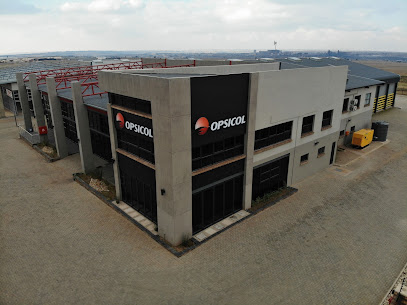
OPSICOL is a Corporate office establishment in Middelburg, Mpumalanga, South Africa
OPSICOL: Corporate Office Summary – Middelburg, Mpumalanga
OPSICOL operates as a coal-focused contractor and service provider based in Middelburg, Mpumalanga, with a progressive footprint across South Africa’s coal corridor. The company began in September 2010 as a coal loading, hauling and stockpile management contractor at Hakhano Colliery and has since expanded its portfolio to include a broader range of mining and materials handling services. The business narrative highlights steady growth, local employment, and a move into higher-value activities such as screening, crushing, slurry dam cleaning and opencast mining.
The service mix is characterised by end-to-end coal handling and mining capabilities. OPSICOL’s core offerings encompass coal loading and hauling, stockpile management, and the operation of on-site workshops that support maintenance and planned servicing. The firm has also developed specialised competencies in screening and crushing, as well as cleaning slurry dams, reflecting an emphasis on integrated materials handling solutions across multiple sites. A notable development is the establishment of train loading facilities at Pan & Rietkuil sidings, illustrating proficiency in rail-based coal logistics in addition to surface operations.
OPSICOL’s operational footprint includes several collieries and rail-related facilities. The Hakhano, Phalanndwa, Singani, and Khanye Collieries form a core part of the group’s mining and materials handling activities, while the Pan & Rietkuil rail sidings expand transportation capabilities. Phalanndwa Colliery marked the company’s expansion beyond its Mpumalanga base, extending into the Delmas area of Gauteng, indicating a regional approach to service delivery. The organisation notes that approximately half of its output originates from opencast mining, with the balance stemming from material handling and related services across five mines.
A key element of OPSICOL’s operations is a sizeable fleet of equipment and on-site engineering support. The current fleet is described as around 300 yellow mining machines operating across multiple sites, with fully equipped workshops and qualified engineering and mechanical teams conducting maintenance and planned services on site. This emphasis on equipment availability and on-site technical capability is presented as central to achieving production targets and ensuring continuous operation in demanding mining environments.
People and local impact feature prominently in the company narrative. OPSICOL reports a workforce of approximately 600 employees and stresses commitments to local community employment, stability, and growth. The perspective shared by the organisation highlights practical factors contributing to success—strategic leadership, rapid decision-making, hands-on operations, clear communication with the workforce, and reliable supplier relationships. The emphasis on a dedicated team and proactive, self-driven staff is repeatedly cited as a core differentiator in service delivery.
Operations are described as requiring round-the-clock responsiveness, with a recognition that mining operations demand high levels of uptime and on-call support. The content underscores the importance of collaboration with suppliers and a culture of teamwork, urgency, and problem solving. While client-facing specifics such as contract formats, pricing or warranties are not detailed in the public materials, the overall emphasis is on dependable, continuous service across multiple mining and rail logistics projects.
In terms of areas served, the focus remains regional within Mpumalanga and Gauteng, with Middelburg as the administrative hub and a concentration of activity around the listed collieries and siding operations. The organisation presents a cohesive picture of an established mid-sized enterprise capable of managing extensive material handling, mining and transport logistics across several sites, complemented by on-site engineering support to maximise equipment availability.
Practical tips for customers
- Clarify the geographic reach for a given project to align with OPSICOL’s regional operations and rail siding capabilities.
- Consider the on-site workshop and maintenance model as a way to minimise downtime and protect production targets.
- Discuss ore handling requirements early, including screening, crushing and slurry dam management, to ensure the proposed solution integrates with existing processes.
- Evaluate equipment needs against production targets; OPSICOL’s fleet and mobile maintenance approach support high utilisation but require accurate planning for peak periods.
- Engage in early safety and workforce planning discussions, given the emphasis on local employment and robust on-site teams.
Overall, OPSICOL presents as a mid-sized coal services provider with a comprehensive in-house capability for loading, hauling, stockpile management, rail logistics and opencast mining. The combination of large-scale operations, diversified services, and a strong on-site engineering presence is positioned to support continuous production across its collieries and associated rail facilities in the Mpumalanga and Gauteng regions.
Middelburg
Mpumalanga
South Africa
Sorry, no records were found. Please adjust your search criteria and try again.
Sorry, unable to load the Maps API.
Corporate office services in Middelburg, Mpumalanga
In Middelburg, a town situated in Mpumalanga, corporate office services are typically arranged to support regional businesses with efficient administrative infrastructure. These services cater to organisations ranging from start‑ups to established enterprises, offering a mix of on‑site facilities, professional administration, and flexible space solutions designed for local operating requirements and regulatory contexts.
Key offerings usually centre on core facilities management and administrative support. This includes reception and front‑of‑house services, mail handling, switchboard or call management, visitor security protocols, and general office administration. Many providers also offer postal and courier support, document storage, and streamlined filing systems to help enterprises organise records in a compliant and accessible manner.
Space and layout options reflect practical needs for Middelburg offices. Customers typically encounter serviced offices, managed workspaces, and meeting facilities such as boardrooms and conference rooms. Some operators provide flexible arrangements for hot desking or short‑term leases, enabling teams to scale space up or down in line with workload, project cycles, or market conditions.
Beyond the physical footprint, corporate office services frequently include a range of professional services support. This can involve basic bookkeeping assistance, invoicing support, and liaison with suppliers or service providers to ensure smooth office operations. Where appropriate, specialised administrative tasks—such as travel arrangements, expense processing, and routine compliance reminders—may be available through a centralised support model, freeing internal staff to focus on core business activities.
Information technology and communications are commonly addressed through dedicated or shared IT support, data security measures, and reliable connectivity. In the Middelburg area, where business activity may span multiple sectors, providers tend to emphasise dependable uptime, data protection practices, and user‑friendly solutions for document collaboration and internal communications, while avoiding assumptions about specific platform capabilities.
Security and maintenance form an essential part of corporate office services. On‑site or nearby security personnel, access control systems, cleaning, and facilities maintenance help create a safe and productive environment. Internal environments are often kept presentable and functional through routine cleaning, waste management, and attention to common areas such as reception zones, kitchens, and meeting rooms.
Practical considerations for organisations considering Middelburg as a base include accessibility and transport links, proximity to clients or supply chains, and the availability of suitable infrastructure for regional operations. Local providers typically align with standard commercial terms, offering predictable monthly charges for space and services, subject to the scope of the chosen package. Organisations should review terms regarding notice periods, inclusions, and any additional charges for utilities, equipment depreciation, or dedicated concierge services.
In practice, the workflow for corporate office services follows a straightforward pattern. A client selects a suitable space and service mix, and a service package is arranged to support daily operations. Ongoing management involves regular liaison with the service provider, space utilisation monitoring, and periodic reviews to adjust services in response to changing business needs. While the exact configurations vary, the aim remains consistent: to provide reliable administration, professional reception, flexible workspace, and efficient back‑office support that helps businesses operate smoothly from Middelburg.
- Reception and front‑of‑house services
- Mail handling, courier and document management
- Serviced or flexible office space and meeting facilities
- Administrative and clerical support
- IT support, connectivity, and data security
- Facilities management, cleaning, and security
Overall, corporate office services in Middelburg, Mpumalanga, deliver a practical package designed to support local enterprises with professional administration, flexible space, and dependable facilities—ideally suited to organisations seeking efficiency, predictability, and a solid operational foundation within reach of regional markets.